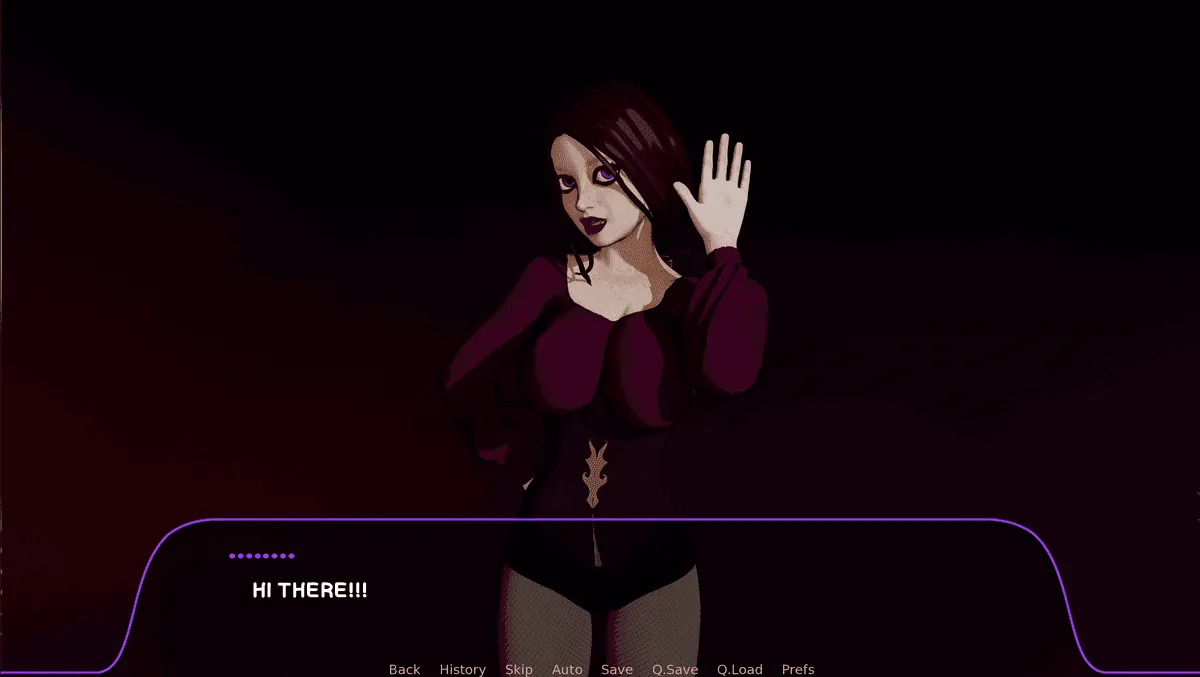
The Theater of Sinners
Play The Theater of Sinners
The Theater of Sinners Screenshots
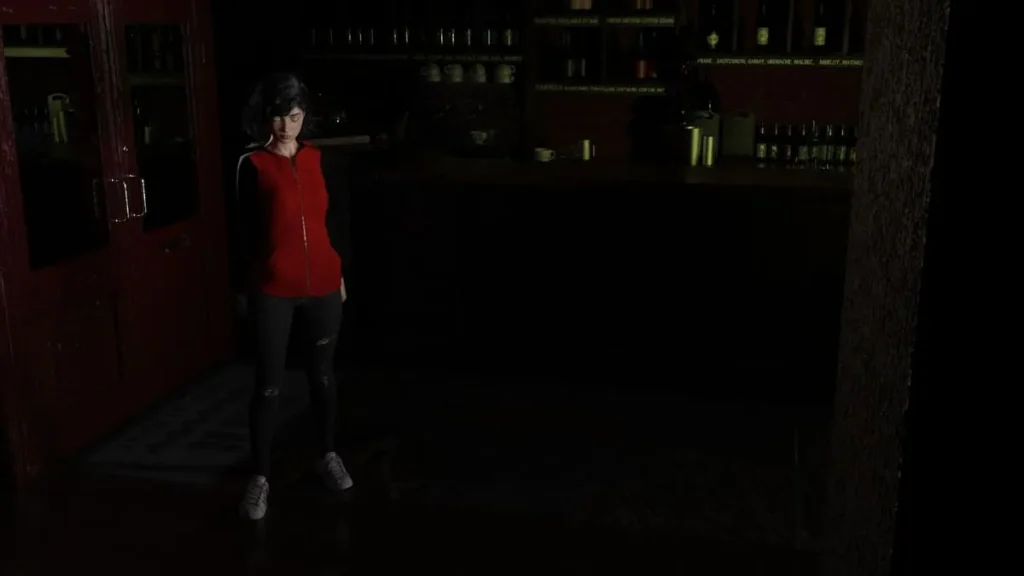
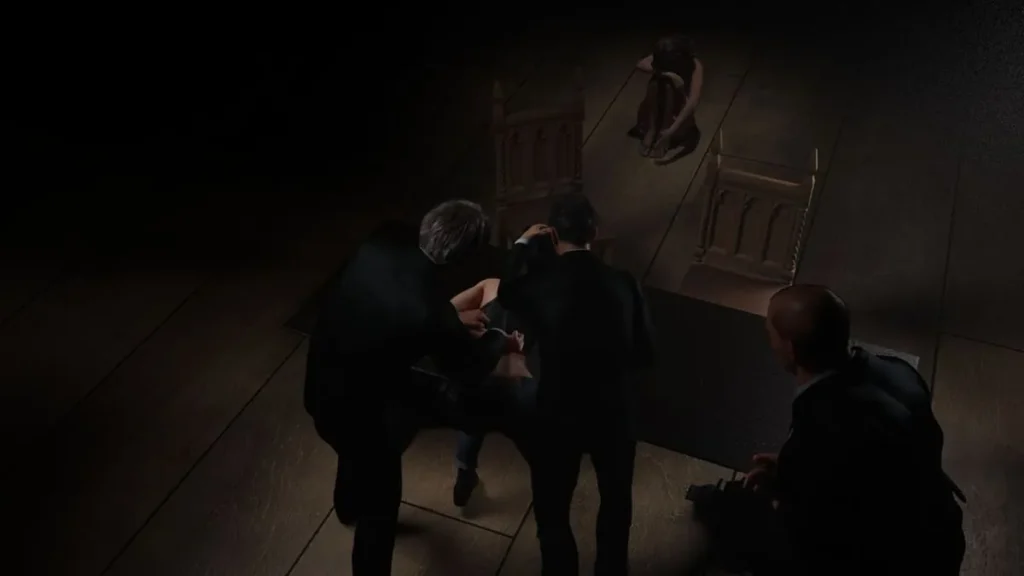
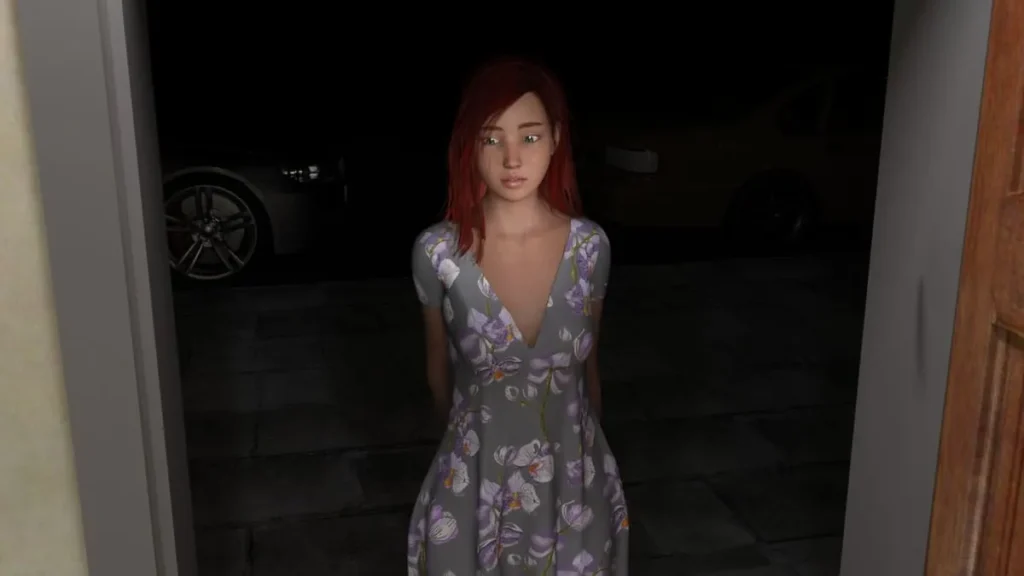
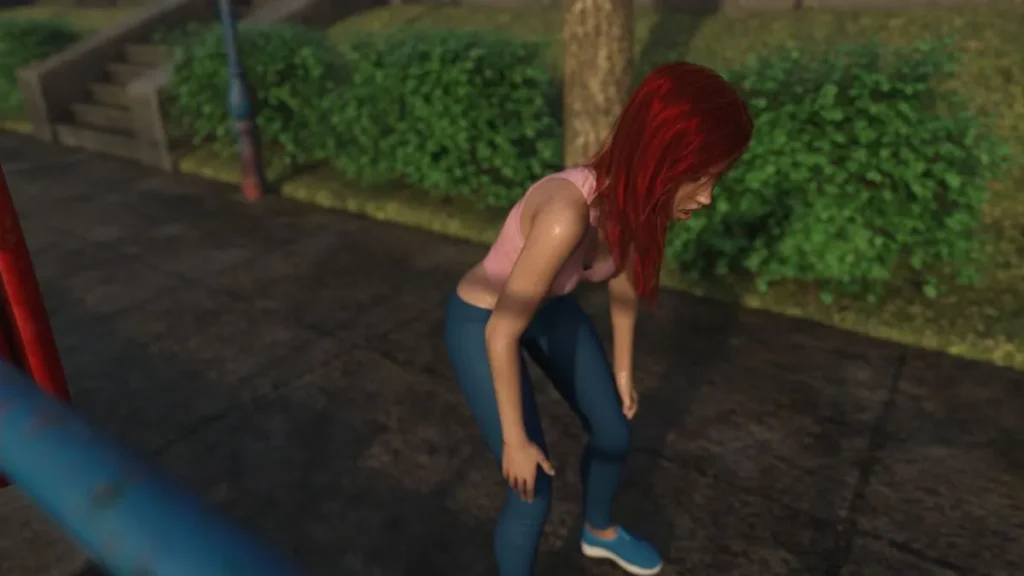


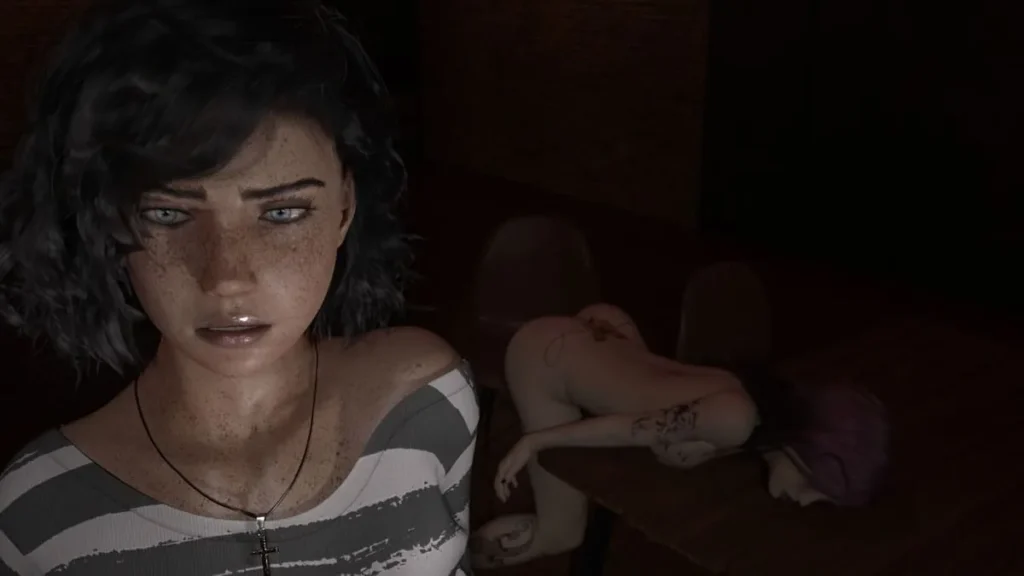








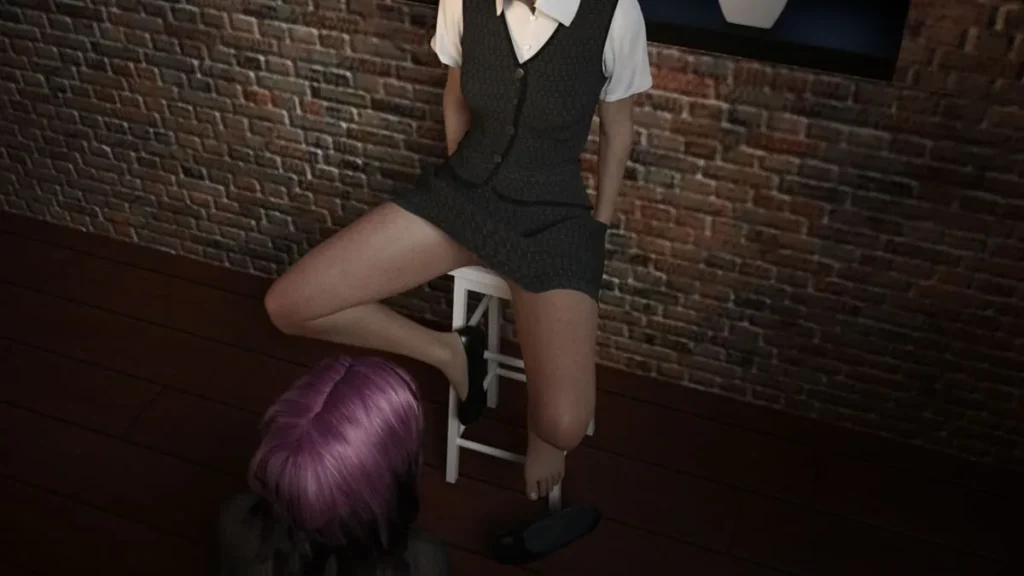
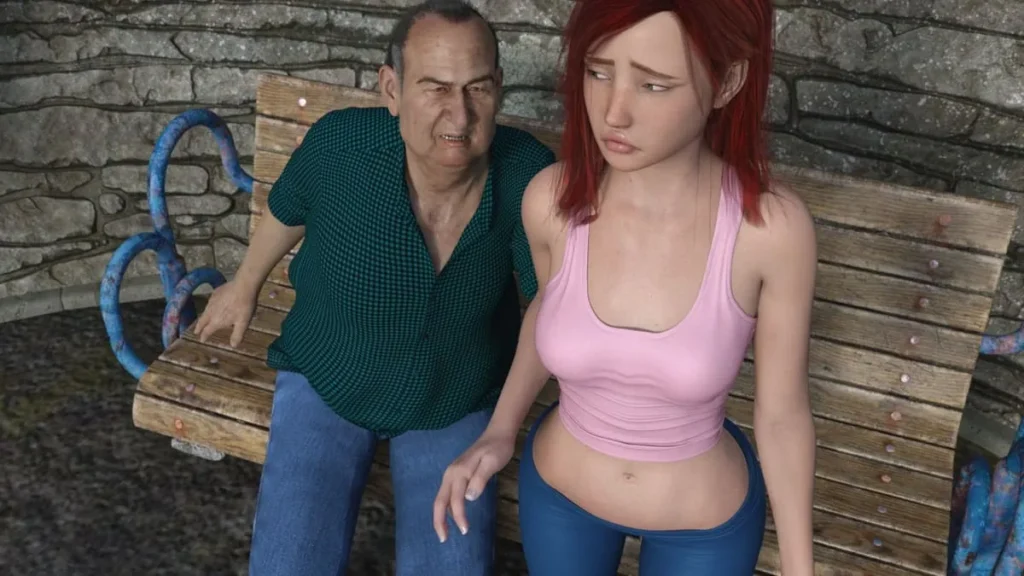
The Theater of Sinners review
Explore gameplay mechanics, storyline, and character development in this adult narrative experience
The Theater of Sinners stands out as a narrative-driven adult game that combines immersive storytelling with interactive gameplay elements. This comprehensive guide explores what makes this title unique in the adult gaming landscape, from its character-driven narrative to its gameplay mechanics. Whether you’re a seasoned player of narrative games or curious about the genre, understanding the core elements of The Theater of Sinners provides insight into modern adult gaming design. This guide covers everything you need to know about the game’s structure, themes, and what players can expect from their experience.
Understanding The Theater of Sinners: Game Overview and Core Mechanics
Let’s be honest—when you hear “adult narrative game,” your mind might jump to certain conclusions. But what if I told you the real maturity of a title like The Theater of Sinners lies not in cheap thrills, but in its emotional and psychological depth? This interactive storytelling game asks you to navigate a world where every decision carves a new path through a haunting, character-driven drama. Forget just clicking through dialogue; you’re stepping onto a stage where your moral compass is the main script. 😨
I remember my first session. I thought I was just making casual choices, getting to know the cast. Two hours later, I was staring at the screen, gut-punched by a consequence I never saw coming, all because of an offhand comment I’d made earlier. That’s the power of its game story progression. It doesn’t just tell you a story; it makes you its co-author, for better or worse.
This guide will break down exactly how to play The Theater of Sinners, from its core gameplay mechanics to the delicate web of its narrative. Whether you’re a veteran of narrative adventures or a curious newcomer, understanding its systems is key to unlocking its most powerful moments.
What is The Theater of Sinners and How Does It Work?
At its heart, The Theater of Sinners is a gothic-tinged psychological drama presented as a premium interactive storytelling game. You assume the role of a protagonist drawn into the orbit of a mysterious, decaying theater and its enigmatic, troubled residents. This isn’t a game about leveling up stats or winning fights; it’s about understanding people, navigating tense relationships, and making choices that permanently alter the trajectory of the tale.
The fundamental premise is deceptively simple: you explore environments, converse with a cast of complex characters, and make decisions at critical junctures. However, the magic—and the tension—lies in the execution. The game functions as a continuous, flowing narrative where your dialogue selections, actions, and even silences are tracked by a sophisticated internal logic. Think of it less as a “choose your own adventure” book and more as conducting an orchestra of personalities, where every note you play changes the final symphony. 🎭
When you start, you’re given just enough context to be intrigued, but the true backstory of the theater and its “sinners” unravels based on your interactions. The adult narrative game mechanics here handle mature themes like guilt, desire, betrayal, and redemption with a nuance that demands your emotional investment. A single playthrough can last roughly 10-15 hours, but that’s just the first act. The real game story progression is designed across multiple playthroughs, as the branching narrative choices you didn’t make beckon you back for another try.
Technically, the game is built for immersion. A robust autosave system captures every major decision point, but you can also create manual saves to explore different forks—a feature I highly recommend using! While it’s not a graphically intensive title, its accessibility lies in its clean interface and adjustable text speed, ensuring the focus remains squarely on the story and your role within it.
Gameplay Mechanics and Player Interaction Systems
So, what do you actually do in The Theater of Sinners gameplay? If you’re expecting quick-time events or inventory puzzles, you might be surprised. The primary interaction loop is built on conversation and observation, powered by mechanics that turn every choice into a meaningful event.
The core of the experience is the Decision Matrix. This isn’t a visible UI element, but an implicit system where every dialogue option, from the compassionate to the cruel, is tagged and remembered. The game tracks your affinity with each character, your prevailing personality traits (e.g., “Diplomatic,” “Cynical,” “Assertive”), and key story flags you’ve triggered. This matrix directly feeds the branching narrative choices, determining which scenes you unlock, which confidences are shared with you, and ultimately, which endings you reach.
Here’s a practical tip from my own play: early on, you meet a character hiding a painful secret. You can pry immediately, offer gentle support, or dismiss their anxiety. Choosing to pry might get you the information faster, but it slams shut their emotional vulnerability for the next several chapters, locking you out of a pivotal, tender scene later. This is the character-driven gameplay in action—it’s not about right or wrong answers, but about the relationships you choose to build or break.
Another key system is the “Trust/Confession” mechanic. At pivotal moments, characters may seek your counsel or confess a sin. Your response doesn’t just affect that scene; it can change how that character behaves in future crises, turning them into an ally or a loose cannon. This creates a fantastically reactive world where your game story progression feels uniquely yours.
To give you a clearer picture of how these systems compare to other narrative experiences, here’s a breakdown:
| Feature | The Theater of Sinners | Traditional Visual Novel | Choice-Driven RPG |
|---|---|---|---|
| Decision Points | Frequent, woven into casual dialogue and major crises. Consequences are often delayed and subtle. | Often concentrated at clear, dramatic junctions. Consequences are usually immediate and clear. | Tied to quest logic, skill checks, and faction reputation. Consequences often affect world state. |
| Story Branches | Deep, interwoven branches; choices in Act 1 can radically alter available paths in Act 3. | Typically has a few major branching paths leading to distinct endings. | Branching often related to major quest outcomes or ending slides, with smaller side stories. |
| Character Interactions | The core gameplay. Every interaction modifies hidden relationship scores that dictate future opportunities. | Often linear relationship routes; interactions primarily advance a pre-set character arc. | Driven by companion questlines; affinity is usually a visible meter with perk unlocks. |
| Replay Scenarios | Extremely High. New playthroughs reveal entirely new subplots, character motivations, and endings based on different choice combinations. | Moderate. Replay to see different character routes or major ending variants. | Variable. Replay to try different builds, factions, or moral alignments. |
This framework makes The Theater of Sinners gameplay intensely personal. You’re not just picking options; you’re defining a persona and living with the echoes of that definition. It’s a masterclass in adult narrative game mechanics because it respects your intelligence and rewards careful, empathetic engagement. 🧠
Story Structure and Narrative Progression
The narrative architecture of The Theater of Sinners is what elevates it from a good story to a memorable experience. It’s structured like a multi-act play, with each act raising the stakes and peeling back another layer of the central mystery.
Act 1: The Invitation serves as the extended introduction. You meet the core cast, learn the basic dynamics of the theater, and make what seem like low-stakes social choices. Don’t be fooled—this act is laying the groundwork. The game story progression here is about establishing baseline relationships. Who do you sit with at dinner? Whose rehearsal do you critique? These moments feel small but are critical for setting flags that pay off much later.
Act 2: Rehearsals and Revelations is where tension truly builds. The characters’ flaws and secrets begin to surface, and your earlier choices start to manifest. This is where the branching narrative choices become starkly evident. A character you bonded with might confide in you, offering a side quest that reveals a key piece of lore. A character you alienated might actively work against you, closing off an entire avenue of investigation. The pacing masterfully balances quiet, character-building moments with shocking reveals that change your understanding of everything.
Act 3: The Final Performance brings all the threads together. The paths here are wildly divergent. Depending on your accumulated relationships and major plot choices, the climax could be a tragic confrontation, a bitter betrayal, a hard-won redemption, or a surprising alliance. This act is the ultimate test of the character-driven gameplay; the finale feels like a direct result of the emotional ecosystem you’ve cultivated over the entire journey.
A Tip from My Playthrough: Save manually at the start of each act. The branching narrative choices are so pervasive that you’ll want to revisit key moments to see how different approaches alter the story’s fabric. It’s the best way to appreciate the game’s depth.
Let’s look at a concrete example of narrative cause and effect:
* Early Game Choice (Act 1): You find a character, let’s call them “Alex,” stealing medicine. You can: A) Confront them aggressively, B) Offer to help them quietly, or C) Pretend you saw nothing.
* If you chose A (Confront): Alex becomes defensive and hostile. In Act 2, when a critical piece of evidence goes missing, Alex will anonymously blame YOU for it, creating a major obstacle. A later scene where Alex breaks down and explains their sick relative is completely omitted—you never earn their trust.
* If you chose B (Help): Alex is terrified but grateful. In Act 2, they will secretly slip you a key to a locked room, granting access to vital documents. In Act 3, when the group is fracturing, Alex will side with you, providing crucial support in the finale.
* If you chose C (Ignore): Alex remains a neutral, wary acquaintance. The evidence still goes missing in Act 2, but you have no special insight. In Act 3, Alex remains a passive figure, and their subplot simply fades away, unresolved.
This example shows how the game story progression isn’t linear. A single early interaction ripples outward, transforming plot events, altering character availability, and reshaping the thematic resolution. This is the essence of an interactive storytelling game done right—your agency is real, meaningful, and often heartbreaking. 😮💨
The replay value is, therefore, enormous. A second playthrough isn’t just about making opposite choices; it’s about discovering entirely new subplots, understanding antagonist motivations, and hearing dialogue you never knew existed. Learning how to play The Theater of Sinners effectively means embracing this nonlinearity, understanding that “completion” requires viewing the story from multiple, conflicting perspectives.
Ultimately, The Theater of Sinners stands as a compelling argument for video games as a vehicle for sophisticated adult storytelling. Its gameplay is its narrative, and its mechanics are designed solely to deepen your connection to its troubled world and inhabitants. By giving weight to every word and consequence to every silence, it creates a character-driven gameplay experience that lingers long after the final curtain falls.
The Theater of Sinners represents a significant entry in narrative-driven adult gaming, offering players a complex blend of interactive storytelling and meaningful choice systems. The game’s strength lies in its character development, branching narrative paths, and the consequences that flow from player decisions. Understanding the mechanics and structure of the game helps players appreciate the depth of design that goes into creating an engaging adult gaming experience. For those interested in narrative games with mature themes, The Theater of Sinners provides substantial content and replayability. As the adult gaming industry continues to evolve, titles like this demonstrate the potential for sophisticated storytelling within the genre, challenging conventional narratives and offering players agency in shaping their experience.