Play The Swordbearer
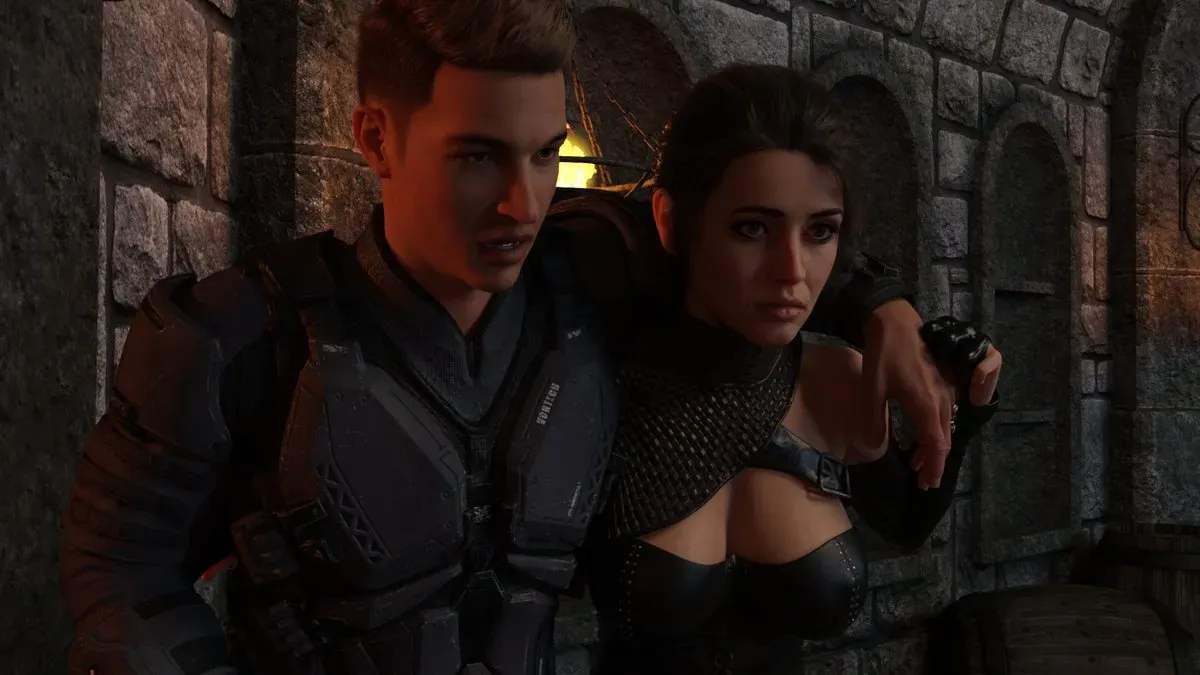
The Swordbearer Screenshots


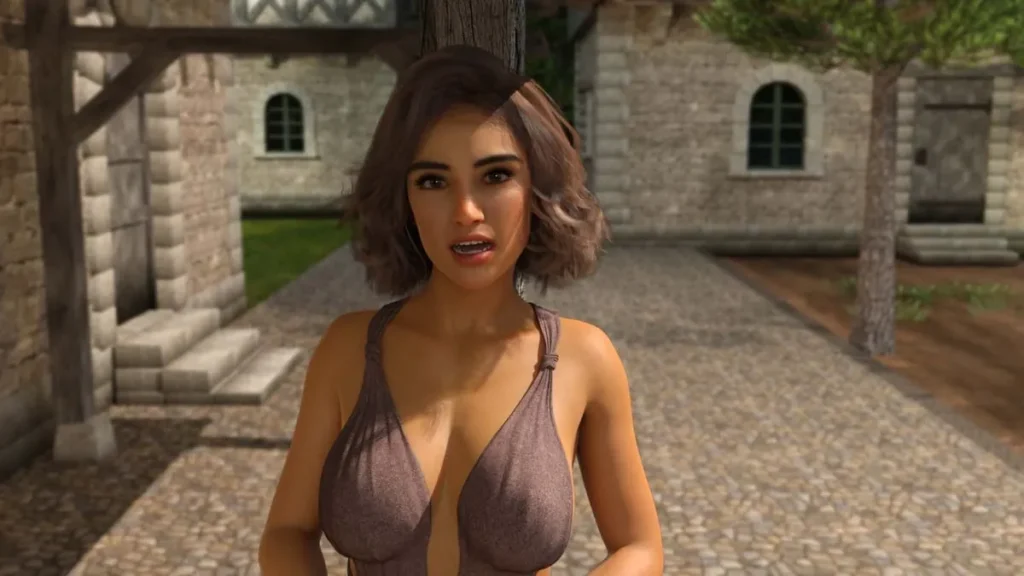

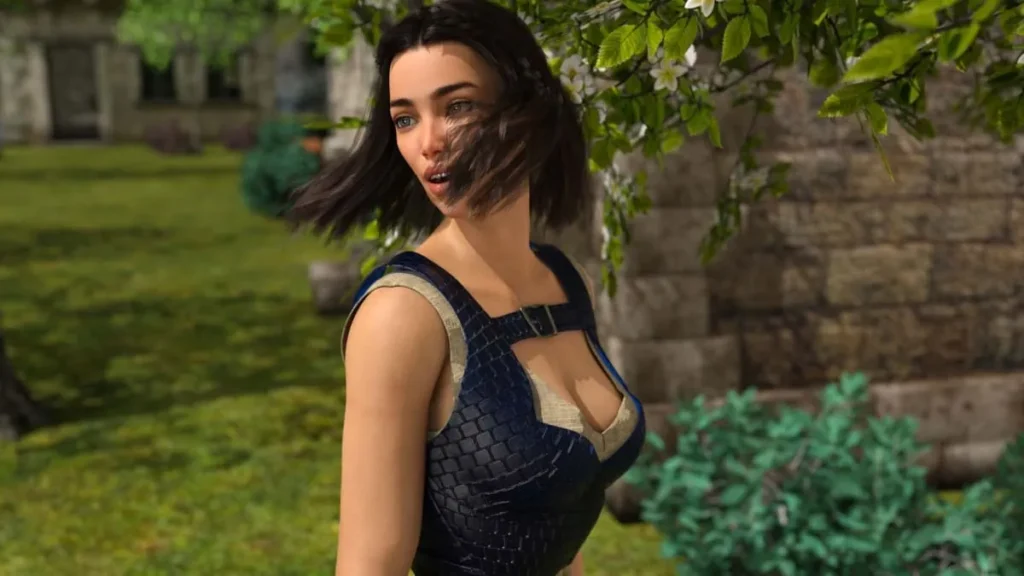
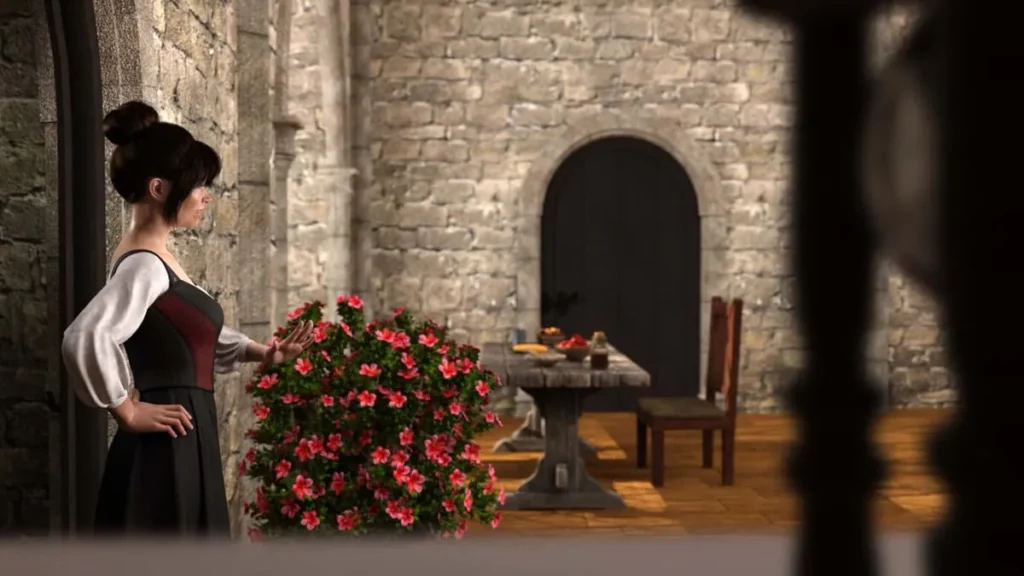
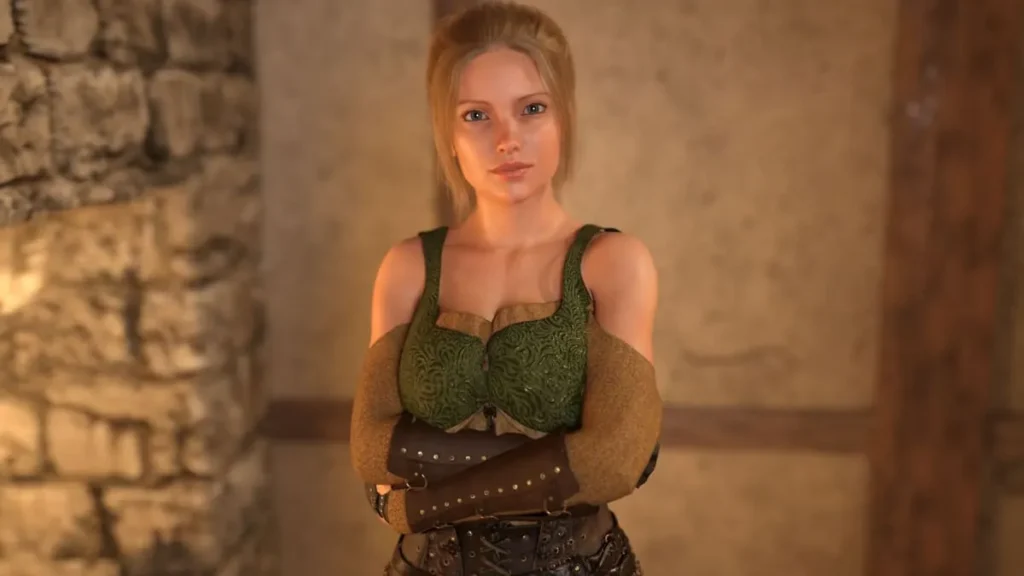


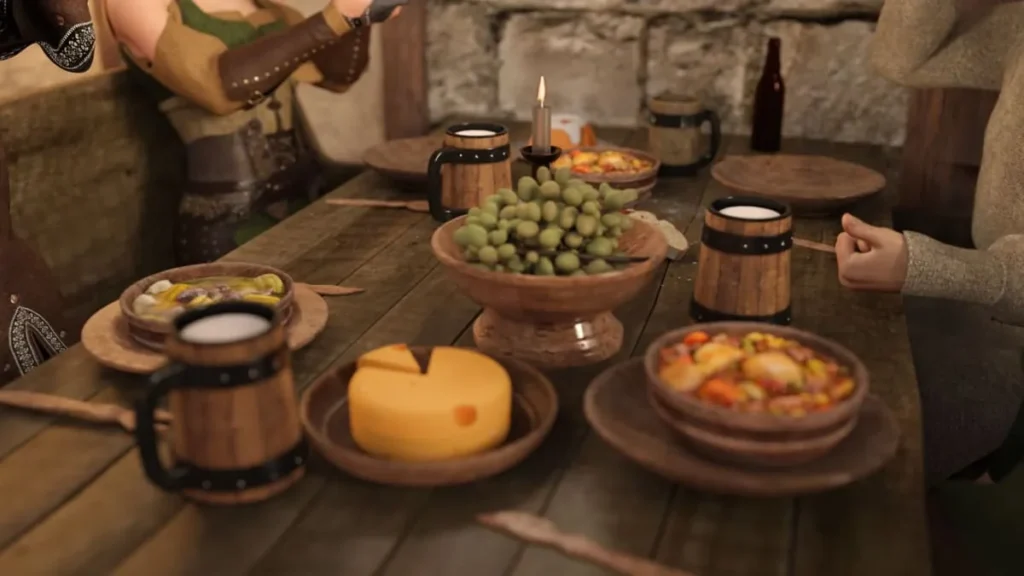
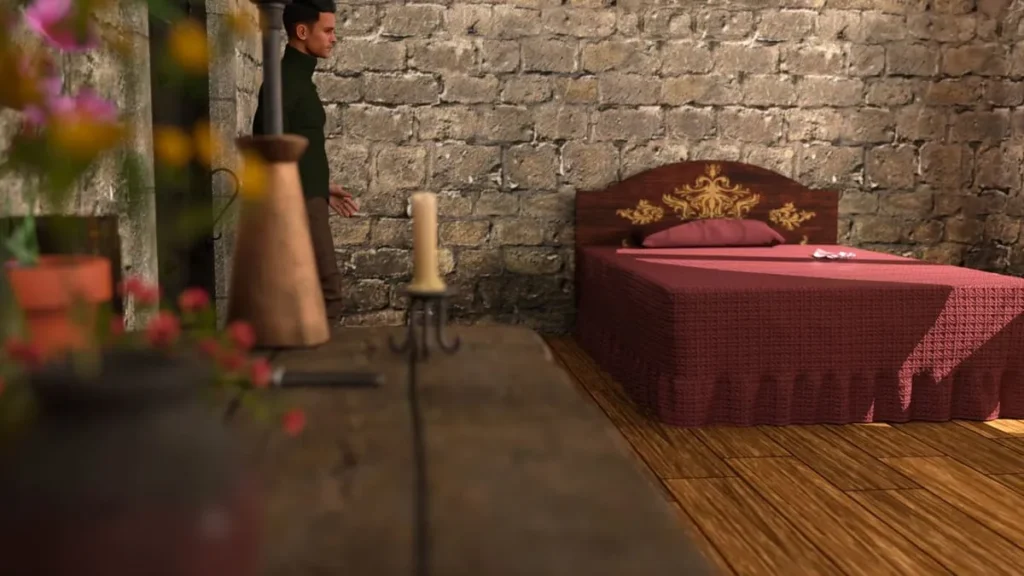


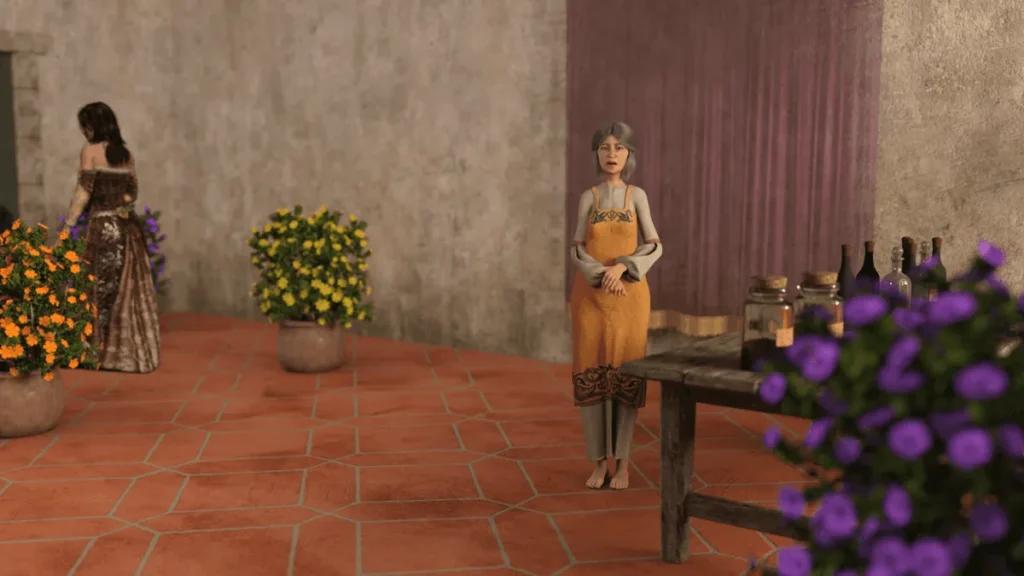
The Swordbearer review
Explore gameplay mechanics, character development, and what makes this adult visual novel stand out
The Swordbearer Season 1 has captured the attention of visual novel enthusiasts with its unique blend of storytelling, character development, and impressive visual presentation. This adult-oriented adventure follows a young protagonist who inherits a sword and embarks on a journey to join the prestigious Knights Guild in the capital city. What sets The Swordbearer apart from other titles in its genre is its commitment to balancing humor, engaging narrative, and high-quality character design. Whether you’re a seasoned visual novel player or curious about what makes this game special, this comprehensive guide covers everything you need to know about The Swordbearer’s gameplay, story, characters, and technical achievements.
Gameplay Mechanics and Story Structure in The Swordbearer
Alright, let’s talk about the heart of the matter: how this game actually works. If you’re like me, you’ve probably clicked through a few visual novels where your choices felt… decorative. 🤔 Like they changed a line of dialogue but the train was still firmly on its predetermined tracks. The Swordbearer flips that script entirely. Its gameplay mechanics are built on a promise: your decisions carve the path, shape your allies, and determine your destiny. This isn’t a passive read; it’s an experience you actively build.
So, how do you dive in? How to play The Swordbearer is refreshingly simple on the surface: you read, you click, you choose. But beneath that lies a wonderfully complex web of cause and effect. Every dialogue choice, every action taken (or avoided), and every relationship you nurture feeds into a persistent world state. It remembers. And that memory becomes the story. Let’s break down exactly how this all comes together.
How The Swordbearer’s Choice-Driven Narrative Works
At its core, The Swordbearer employs a choice-driven visual novel system that feels less like a branching path and more like weaving a tapestry. 🧵 Each thread you pull—every conversation, every knightly duty you prioritize—alters the pattern. I learned this the hard way on my first playthrough. I was playing my character as a brash, glory-hungry rookie, always picking the most boastful or aggressive options. I figured I’d just steamroll my way to the top of the Knights Guild progression.
Big mistake. By mid-season, my companion was barely speaking to me, the Guild Master viewed me as a liability, and I’d completely missed the chance to uncover a crucial conspiracy brewing in the city’s underbelly. The game didn’t tell me I failed; it just presented the logical consequences of my arrogance. This is the genius of The Swordbearer story choices. They aren’t labeled “Good” or “Evil.” They’re nuanced, context-dependent, and often have trade-offs.
The visual novel narrative system here is built on hidden meters and flags. Your major decisions lock in certain story arcs, while smaller choices build up points (affection, trust, reputation) that unlock additional scenes, dialogue options, and, ultimately, different endings. For instance, choosing to spend your evening investigating strange rumors in the tavern instead of attending mandatory Guild etiquette training might boost your “Inquisitive” flag and earn respect from a certain shadowy character, but it will definitely lower your “Guild Discipline” score.
My top tip? Embrace the role-play. Decide who your Swordbearer is before you even start. Are they a dutiful idealist, a cynical pragmatist, or a charming opportunist? Sticking to a core personality makes the choice-driven visual novel experience infinitely more satisfying and coherent.
The pacing is masterful, balancing heavy political intrigue and dark fantasy threats with genuinely laugh-out-loud character moments. 🎭 Much of this comes from the banter between you (the rookie Swordbearer) and your assigned, deeply unimpressed companion. This dynamic is the engine of the narrative. Their sarcastic commentary on your decisions, their reluctant pride when you do something right, and the slow evolution of your partnership is the emotional core of the game. The plot moves forward because you two are pushing through it together, even when you’re bickering.
Character Interactions and Relationship Building
This is where The Swordbearer truly shines as a character relationship building game. Every major character has their own goals, fears, and secrets. Your interactions aren’t just about racking up “love points”; they’re about building genuine alliances, uncovering layers of their personality, and influencing their own storylines. You can befriend, romance, antagonize, or even betray key figures.
Let’s take Elara, the veteran knight who becomes your grudging mentor. Early on, I tried to butter her up with compliments, thinking she’d appreciate the admiration. She saw right through it and my trust score with her tanked. On a replay, I chose options that showed competence and a willingness to learn the hard way—asking tactical questions, acknowledging my mistakes. That earned her respect. The game constantly asks you to pay attention to who these people are, not just what you want from them.
Romantic paths are woven seamlessly into the broader relationship tapestry. They feel earned, not collected. Pursuing a romance with the clever archivist, Kael, for example, requires engaging with his passion for forbidden history and helping him with his research, not just picking flirty lines.
To give you a practical sense of how these paths diverge, here’s a breakdown of potential outcomes based on your approach to three central characters:
| Character | Relationship Focus | Key Benefits / Unlocks | Potential Pitfalls |
|---|---|---|---|
| Captain Elara (Mentor) | Proving competence & duty | Advanced combat techniques, Guild political support, unique mission options. | Being seen as a sycophant or a loose cannon can lock you out of her guidance. |
| Kael the Archivist (Romance/Alliance) | Shared intellectual curiosity & risk-taking | Access to restricted lore, clues to major mysteries, a powerful ally outside the Guild hierarchy. | His secrets are dangerous; association can draw suspicion from the Guild establishment. |
| Ser Theron (Rival/Friend) | Respect through rivalry or camaraderie | Dueling practice (stats boost), mutual aid in missions, can evolve into a steadfast friendship. | Letting rivalry turn bitter can create a powerful enemy within the Guild walls. |
🛡️ 💖 📚
The practical advice here is to specialize. You likely can’t max out every relationship in one playthrough, and that’s by design. Choose 2-3 characters whose stories or abilities align with your chosen role-play and invest in them. Quality over quantity leads to much richer narrative payoffs in this character relationship building game.
Progression System and Guild Advancement
Your journey in The Swordbearer is framed by your rise within the prestigious (and often dysfunctional) Knights Guild. The Knights Guild progression system is your tangible measure of growth, intertwined with both the narrative and The Swordbearer gameplay mechanics.
You don’t have a traditional “level” or “XP.” Instead, progression is multi-faceted:
- Guild Rank: This is your official standing. You start as a Novice and work your way up to Squire, Knight-Aspirant, and beyond. Promotion is gated by completing major story missions and maintaining a good standing (that “Guild Discipline” score I mentioned).
- Reputation: This is your informal standing. It’s influenced by how you solve problems, treat citizens, and handle the Guild’s politics. High reputation opens doors, low reputation closes them and adds obstacles.
- Character Stats: These are subtle but important. Choices in the game can slightly boost traits like Diplomacy, Investigation, Combat Prowess, or Streetwise. While not crunchy RPG numbers, a high enough stat in an area can unlock new, often better, solutions to problems. For example, a high Investigation score might let you find a hidden clue at a crime scene, bypassing a whole segment of frustrating dead-ends.
Your advancement is directly tied to the choice-driven visual novel structure. To be promoted, the Guild leadership must trust you. To earn that trust, you need to make story choices that align with their values (or cleverly manipulate them). It’s a brilliant feedback loop. One of my favorite sessions involved choosing to follow Guild protocol to the letter during a city disturbance, which bored me to tears but skyrocketed my standing with the leadership. Another time, I broke every rule to save a family, which tanked my rank but made me a hero to the common folk—and unlocked a whole different set of quests from the city’s underworld.
🎖️ ⚔️ 🏆
Actionable Tip for New Players: Check your Guild Ledger (in the menu) after every major chapter. It doesn’t spell everything out, but shifts in your status and brief comments from the Guild scribe will hint at how your The Swordbearer story choices are being perceived. It’s your best guide to understanding the visual novel narrative system at work.
Balancing the serious duty of a Guild Knight with the game’s witty, sometimes hilarious, character moments is a key part of the how to play The Swordbearer experience. You might be negotiating a tense ceasefire between noble houses in one scene, and in the next, you’re stuck listening to your companion’s lengthy, exaggerated complaint about the terrible Guild cafeteria stew. 😄 This rhythm prevents the story from becoming grimdark and makes the world and its people feel authentically alive.
Ultimately, the The Swordbearer gameplay mechanics are designed for one purpose: to make you feel like the author of your own epic, personal fantasy story. Its systems are deep enough to reward careful thought and replayability, yet never so complex that they get in the way of the drama, romance, and adventure. Your choices matter, your relationships are earned, and your place in the Guild is forged by your own hand. That’s what makes this adventure not just something you play, but something you truly live.
The Swordbearer Season 1 stands out as a well-crafted visual novel that successfully combines engaging storytelling with impressive visual presentation. The game’s strength lies in its ability to balance humor and character charm with a legitimate plot that keeps players invested throughout their journey. From the protagonist’s adventure to join the Knights Guild to the darker elements that emerge as the narrative progresses, The Swordbearer delivers an experience that appeals to both casual players and dedicated visual novel enthusiasts. The technical achievements in character animation and visual design set a high standard for the genre, while the character interactions and dialogue create memorable moments that resonate with players. Whether you’re drawn to the compelling story, the quality character development, or the impressive visual presentation, The Swordbearer offers substantial entertainment value. For those considering diving into this title, the game represents a solid investment in quality storytelling and production values that justify its place in the visual novel landscape.