
Tales of Unity
Play Tales of Unity
Tales of Unity Screenshots

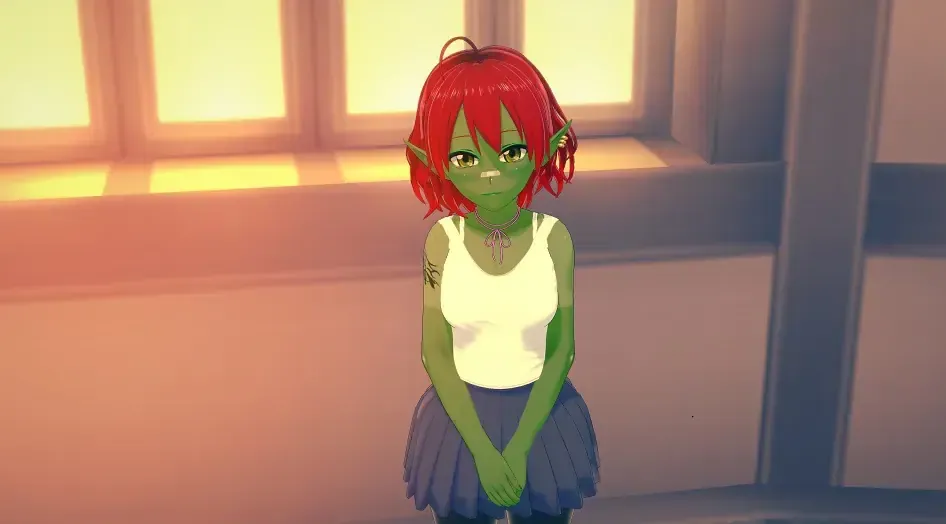
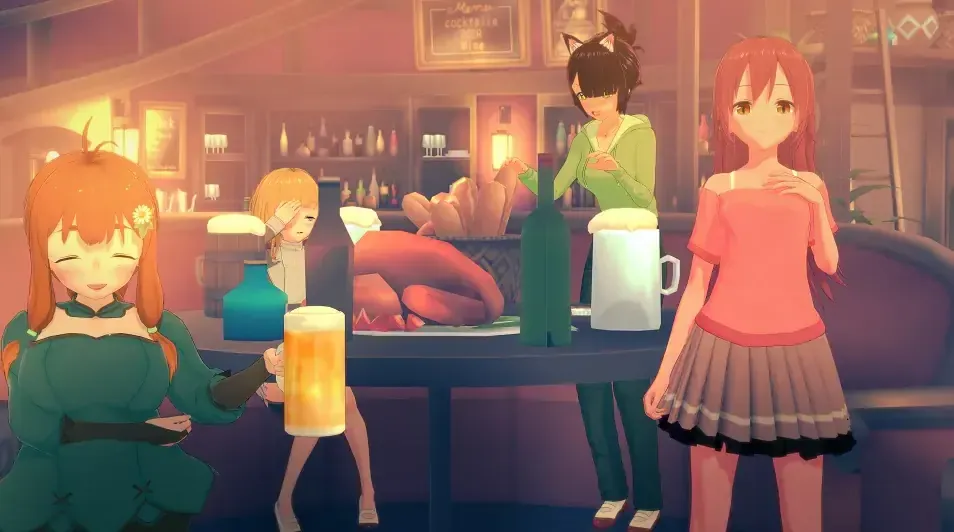
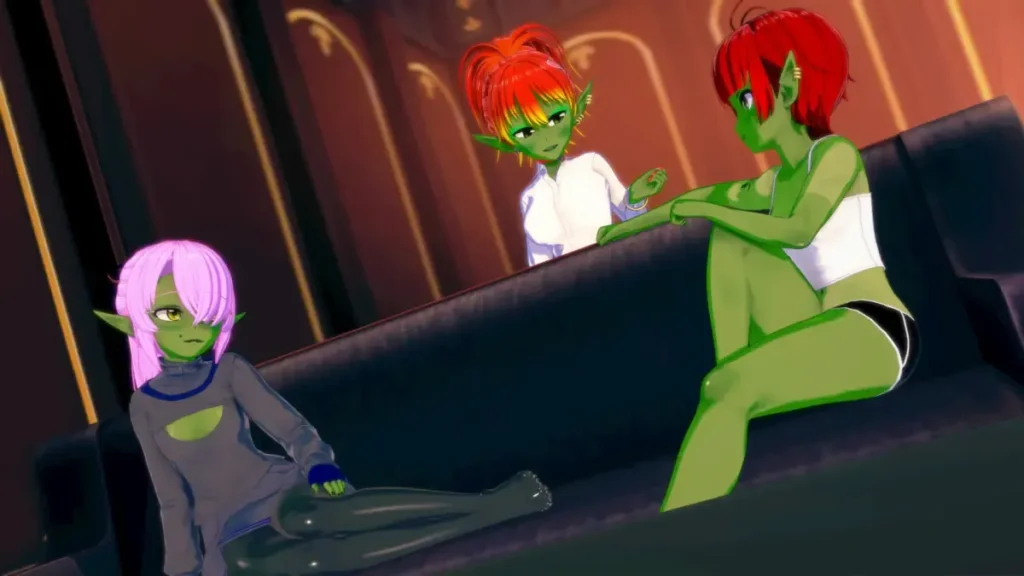
Tales of Unity review
A deep dive into one of the most acclaimed narrative-driven games
Tales of Unity has emerged as a standout title in interactive storytelling, proving that games can deliver compelling narratives with depth and emotional resonance. This game combines engaging character development, sharp comedy, and meaningful story progression to create an experience that resonates with players seeking more than surface-level entertainment. Whether you’re curious about what makes this game special or looking to understand its narrative structure and character dynamics, this guide explores the key elements that have made Tales of Unity a masterpiece of interactive fiction. Discover what sets this game apart in the landscape of story-driven experiences.
What Makes Tales of Unity a Masterpiece of Storytelling
Let’s be honest. We’ve all played games where the story feels like an afterthought, a thin excuse to get you from one shootout to the next. You might enjoy the action, but you leave with a hollow feeling—nothing resonates, and you forget the characters the moment the credits roll. ✨
Then, there’s Tales of Unity.
This isn’t just a game you play; it’s a world you inhabit, a story you help breathe life into. It stands as a towering example of how video games can deliver a story-driven gameplay experience that rivals the best novels and films. But what exactly did the developers do to make this virtual journey so profoundly affecting? Let’s pull back the curtain.
The Narrative Foundation: Why the Story Resonates
At its core, the Tales of Unity storytelling approach rejects the idea that interactivity and deep narrative are at odds. Instead, it forges them into a single, unbreakable bond. The game’s world isn’t just a backdrop; it’s a character in itself, with a history that’s felt in every crumbling archway and whispered rumor in the tavern. The game narrative structure is deceptively clever. It avoids a simple, linear “hero’s journey” and instead presents a tapestry of interwoven perspectives.
You don’t just follow a plot; you uncover it. Information is revealed through environmental details, optional conversations, and player-driven exploration. This creates a powerful sense of agency. You’re not being told a story; you’re discovering it, piece by piece, which makes every revelation feel earned and personal. This is a masterclass in narrative-driven game design, where every game mechanic, from dialogue trees to environmental puzzles, exists to serve the plot and deepen your immersion.
“I’ve played countless story-heavy games, but Tales of Unity is the first that made me feel like a true participant in a literary epic. The plot twists didn’t just surprise my character—they surprised me, sitting on my couch. It has the heart of a great novel and the soul of a classic RPG, all rolled into one.”
This testimonial hits on the magic trick the game performs. It achieves a rare interactive fiction quality where your choices, while perhaps not branching the plot into wildly different directions, fundamentally alter your relationship with the events and people. You shape the meaning of the story, if not always its ultimate destination.
The themes are mature and handled with nuance. It tackles the weight of legacy, the fragile nature of peace, and the personal cost of principle. These aren’t themes delivered in heavy-handed monologues, but in quiet moments: a weary sigh from a guard, a faded family painting in an abandoned home, or the conflicted loyalty of a companion. The pacing is impeccable, knowing exactly when to plunge you into high-stakes action and when to pull back for character reflection, ensuring player engagement never wanes.
The narrative strengths of Tales of Unity can be distilled into a few key pillars:
* Story Depth: A plot rich with political intrigue, personal drama, and philosophical questions that linger long after play.
* Character Authenticity: A cast that feels real, flawed, and evolves naturally alongside the player.
* Comedy Timing: A perfect sense of when to inject levity to humanize the world, without undermining gravitas.
* Emotional Impact: Moments of triumph, tragedy, and connection that land with genuine force because of the foundation built.
Character Development and Depth
If the world of Tales of Unity is the stage, then its inhabitants are the award-winning cast. This is where the game truly shines, setting a new benchmark for character development in games. Forget about one-note sidekicks or villains who are evil “just because.” Every major Tales of Unity characters is the protagonist of their own unseen story, with motivations, fears, and histories that gradually come to light.
Your companions aren’t mere followers; they are active participants with their own agendas. They’ll argue with each other, challenge your decisions, and form independent opinions about the events unfolding. I remember a specific moment, about halfway through my playthrough, where I made a strategic choice I thought was purely logical. Later, at camp, my closest companion, Kaelen, didn’t just offer a snarky comment—he was genuinely, quietly disappointed. He didn’t threaten to leave; he just sat by the fire, questioning if we were losing sight of why we started this fight. That moment of silent judgment from a digital character felt more real than most human interactions in other media. 🫂
This authenticity is achieved through layered writing and brilliant narrative-driven game design. Character growth isn’t tied solely to a loyalty meter or a single quest chain. It’s woven into the fabric of the entire journey. You learn about them through:
* Contextual Banter: Conversations that trigger while exploring, reacting to the locations and events around you.
* “Down Time” Interactions: Optional campfire chats, tavern games, and quiet moments that have no gameplay reward except understanding.
* Evolving Dialogue: Their responses to major story beats change based on your shared history and their personal arc.
Let’s compare how Tales of Unity handles its core cast versus more traditional approaches:
| Traditional RPG Companion | A ‘Tales of Unity’ Companion |
|---|---|
| Motivation: Vengeance for a lost family (static). | Motivation: Starts as vengeance, but evolves into a struggle for justice, guilt over collateral damage, and fear of becoming what they hate. |
| Development: Unlocks new abilities after completing their personal quest. | Development: Opinions, speech patterns, and even combat tactics change organically throughout the story based on cumulative experiences. |
| Role: Fills a predictable party slot (e.g., “the tank,” “the healer”). | Role: Their combat role is an extension of their personality, which itself can shift based on their emotional state in the narrative. |
This method creates an unparalleled sense of camaraderie. You’re not managing assets; you’re navigating friendships, alliances, and sometimes, rivalries. The interactive fiction quality is supreme here—you feel responsible for these people, not just for their survival, but for their well-being. This deep investment is what makes the emotional highs and lows of the story hit with such incredible force.
Comedy and Tone Balance
One of the riskiest feats any serious story can attempt is the integration of humor. Get it wrong, and you shatter immersion, turning poignant moments into farce. Get it right, and you create a world that feels genuinely alive, where joy and sorrow coexist as they do in our own lives. 🎭 Tales of Unity doesn’t just get it right; it makes it look effortless.
The comedy in Tales of Unity is never a detached, fourth-wall-breaking gag. It is character-driven. The humor stems directly from the personalities clashing, the absurdity of certain situations through the lens of these very real-feeling people, and the witty, world-appropriate dialogue. A hardened soldier might have a dry, sarcastic wit, while a scholarly companion might inadvertently be funny through their literal interpretations of slang. The comedy serves the double purpose of providing relief and deepening character.
This balance is a critical part of its story-driven gameplay experience. After a tense, emotionally draining story sequence, arriving at a bustling city market and hearing two vendors argue passionately about the quality of their fictional vegetables isn’t just “funny.” It’s restorative. It reassures you that this world continues to spin, with all its mundane quirks, outside of your epic quest. It makes the world believable.
The game’s tone is a symphony, not a single note. It understands pacing on a macro level. A typical story arc might flow like this:
- Sober Setup: You receive a grave mission in a somber war room.
- Journey & Levity: The travel sequence is filled with companion banter and environmental storytelling that lightens the mood.
- Rising Tension: As you near your goal, the music and dialogue become more focused, the jokes drier.
- Emotional Climax: The mission culminates in a scene with serious narrative weight and consequence.
- Quiet Aftermath: The subsequent campfire scene allows for reflection, mixing sadness, relief, and maybe a quiet, heartfelt joke that resonates because of all you’ve been through.
This ebb and flow prevent emotional fatigue. It allows the serious moments to feel truly serious because they aren’t buried under an unrelenting avalanche of gloom. The moments of humor make the characters more endearing, so their struggles matter more to you. This delicate dance is where many narrative games stumble, but Tales of Unity executes it with the precision of a master storyteller.
In the end, the triumph of Tales of Unity is one of synthesis. It proves that exemplary Tales of Unity storytelling isn’t just about a great script, but about building a game narrative structure where story, character, and play are inseparable. Its narrative-driven game design ensures every action reinforces the plot, and its profound character development in games makes that plot matter on a deeply human level. By mastering the balance of light and dark, it delivers an interactive fiction quality and a story-driven gameplay experience that doesn’t just entertain—it connects, resonates, and ultimately, stays with you. It’s more than a game; it’s a benchmark for what the medium can achieve when it dares to put the human experience at its very core.
Tales of Unity represents a significant achievement in interactive storytelling, demonstrating that games can deliver narratives with the same emotional depth and character complexity as traditional media. The game’s success stems from its thoughtful character development, well-balanced comedy, and engaging story progression that keeps players invested from beginning to end. By combining these elements effectively, Tales of Unity has set a new standard for what story-driven games can accomplish. If you’re seeking an experience that prioritizes narrative quality and character authenticity, Tales of Unity deserves a place at the top of your list. Explore this game and discover why it has earned recognition as a masterpiece of interactive fiction.