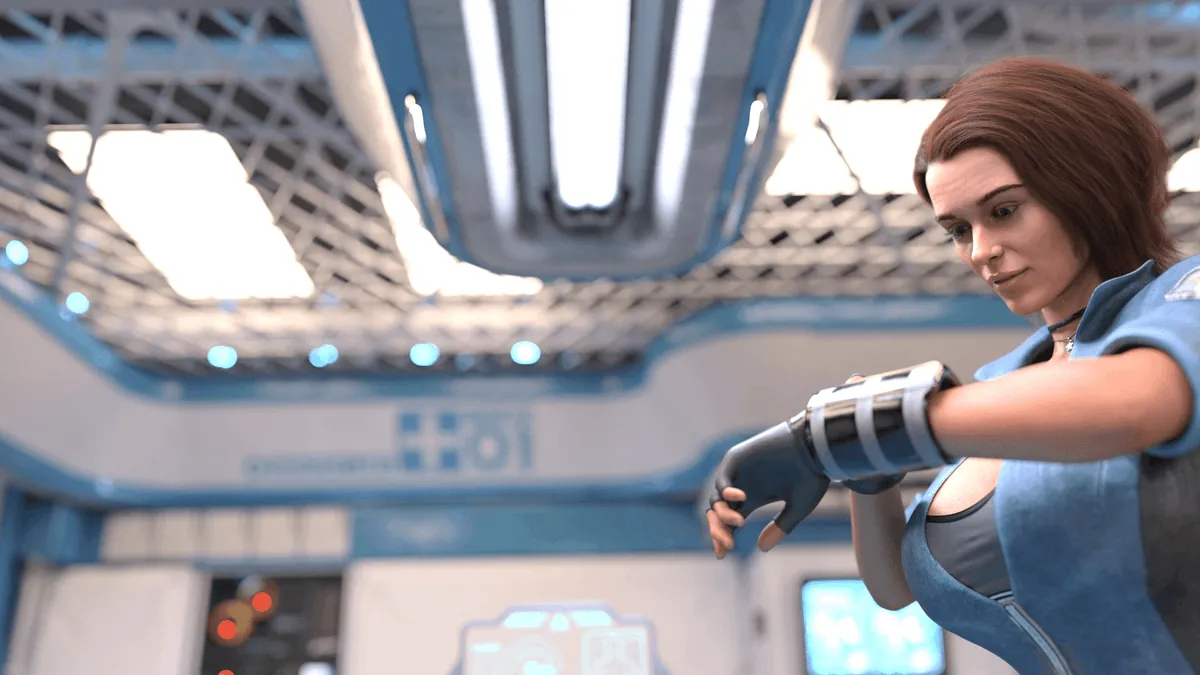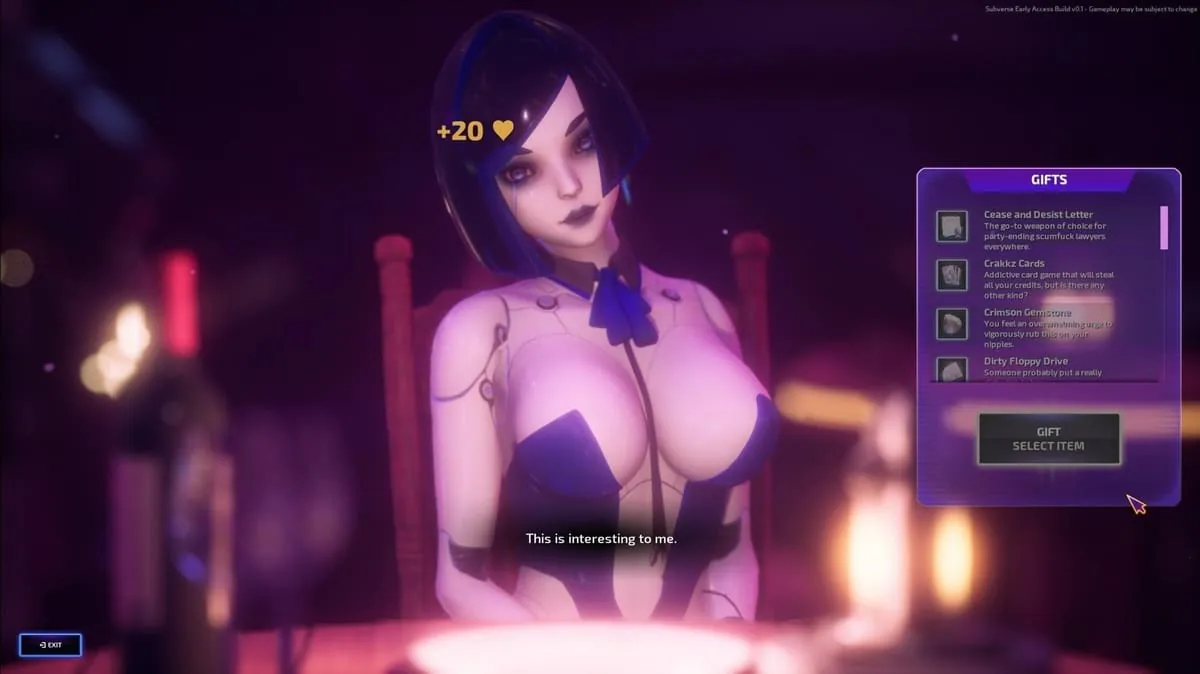
Subverse Screenshots

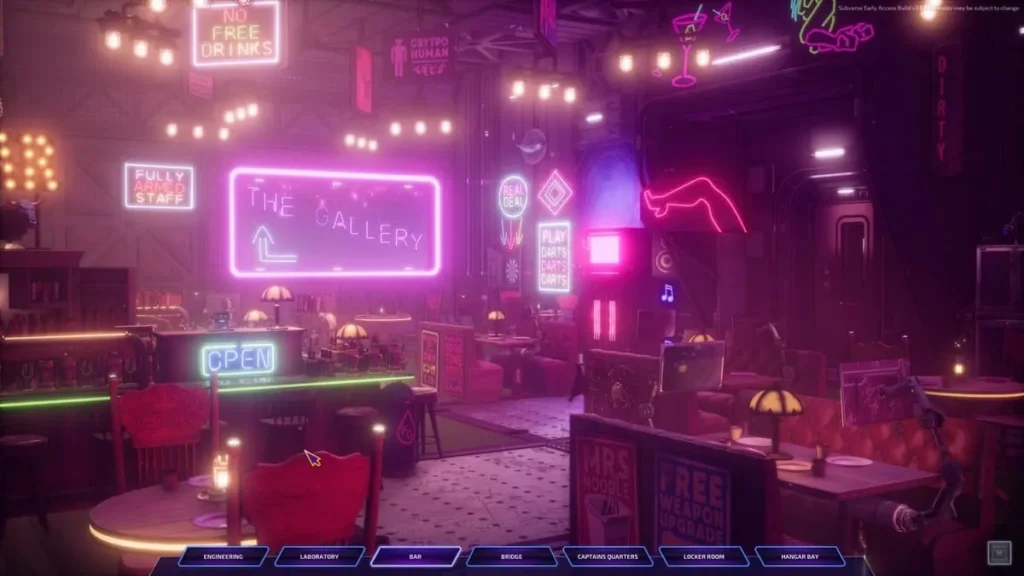
Subverse review
A comprehensive guide to the hybrid tactical role-playing shooter with adult themes
Subverse stands as one of the most ambitious and well-funded adult video games ever created, blending tactical role-playing gameplay with space shooter mechanics and narrative-driven storytelling. Developed by FOW Interactive and published by Streembit Ltd, this science fiction title launched in early access in 2021 and reached full release in November 2024. The game combines visual novel-style storytelling with grid-based tactical combat and arcade-style shoot ’em up sections, all set within a richly detailed galaxy. Whether you’re interested in the gameplay mechanics, the development journey, or the unique fusion of genres, this guide explores everything you need to know about this distinctive gaming experience.
Gameplay Mechanics and Combat Systems
Let’s be honest—when you boot up a game that promises multiple genres, there’s always that nagging fear: will it be a master of none? I’ve been burned before, jumping from a deep tactical system to a clunky, tacked-on vehicle segment that just doesn’t gel. My immediate question with Subverse was, “How does Subverse combat work, really?” Is it a disjointed mess, or a clever fusion?
I’m thrilled to report it’s the latter. The developers at FOW Interactive didn’t just glue two different games together; they baked a cohesive loop where every system feeds into the next. Whether you’re meticulously planning moves on a grid or dodging lasers in open space, it all feels part of the same thrilling, irreverent adventure aboard the spaceship Mary Celeste. 🚀 This guide will break down the three core pillars of its gameplay, so you can master the strategy, the action, and the crew that makes it all possible.
Tactical Grid Combat and Strategy Elements
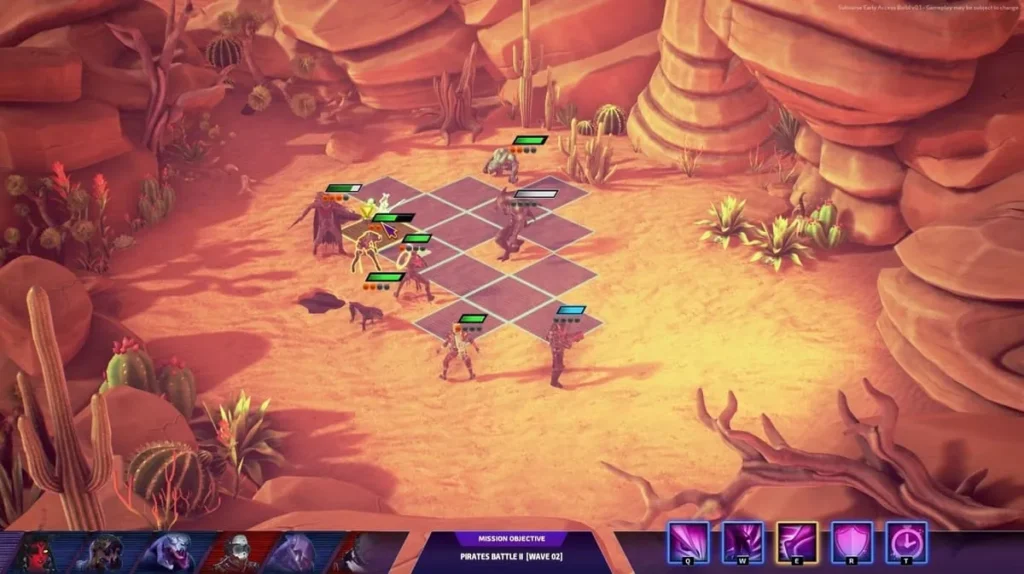
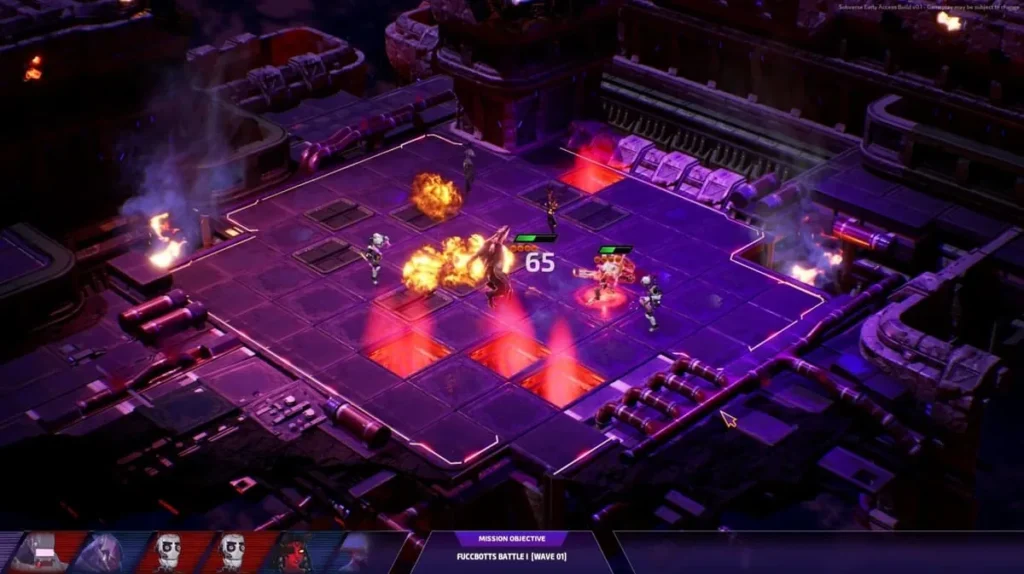
When you touch down on a planet or board an enemy vessel, the game shifts to a perspective that will warm the heart of any turn-based tactics fan. This is the realm of tactical grid combat, a chess-like system where positioning, ability cooldowns, and squad synergy are everything. Forget just running and gunning; here, you need to think two steps ahead of the enemy.
You command a small squad of your recruited crew members, each occupying a square on the grid. What makes the tactical grid combat so engaging is the reinforcement wave system. You don’t just clear a static map. Enemies continuously drop in from the edges at the end of each round, forcing you to constantly adapt your strategy. You can’t just bunker down in a corner—you have to control the flow of the battlefield. This creates a fantastic tension between playing defensively to protect your team and pushing forward aggressively to eliminate key targets before the next wave swamps you.
The key to victory is mastering your attack tempo. Every action, from moving to using a special skill, costs Action Points (AP). Managing your AP pool across your crew is crucial. Do you spend all of Lily’s AP to dash across the map and flank an enemy, or do you conserve some for a defensive overwatch shot? This decision-making is the core of the tactical grid combat. Each character feels distinct: one might be a close-range brawler who can draw enemy fire, while another is a fragile sniper who needs a clear line of sight. Protecting your specialists while leveraging your tanks is a classic and satisfying strategic loop.
Pro Tip: Always save a little AP for at least one character to use on an Overwatch ability. When enemies reinforce and move into your sightlines, they’ll get a face full of reactive fire, disrupting their plans before your next turn even begins. It’s a game-changer for controlling enemy movement.
Here’s a quick comparison of how the game’s different combat modes play out:
| Aspect | Tactical Grid Combat | Space Shooter Gameplay | Crew Management Role |
|---|---|---|---|
| Gameplay Style | Turn-based, methodical, chess-like | Real-time, fast-paced, reflex-based | Meta-progression and resource allocation |
| Pacing | Slow and strategic, plan-per-turn | Frenetic and immediate, constant action | Persistent between missions |
| Strategic Elements | Positioning, AP management, wave prediction, ability combos | Movement patterns, target priority, environmental use, power-up timing | Skill point allocation, loyalty investment, gear and ship upgrades |
| Crew Role Variations | Unique grid-based abilities (taunts, heals, traps, sniper shots) | Piloting the ship; crew abilities manifest as special “Pandora” attacks | Passive stat bonuses and active ability unlocks for both modes |
This reinforcement wave system keeps you on your toes and makes every victory feel earned. You’re not just clearing a room; you’re surviving an onslaught through smart planning. The crescendo of finally taking down the last enemy after managing multiple dangerous waves is a tactical high I keep coming back for. 🎯
Space Shooter Sections and Flight Mechanics
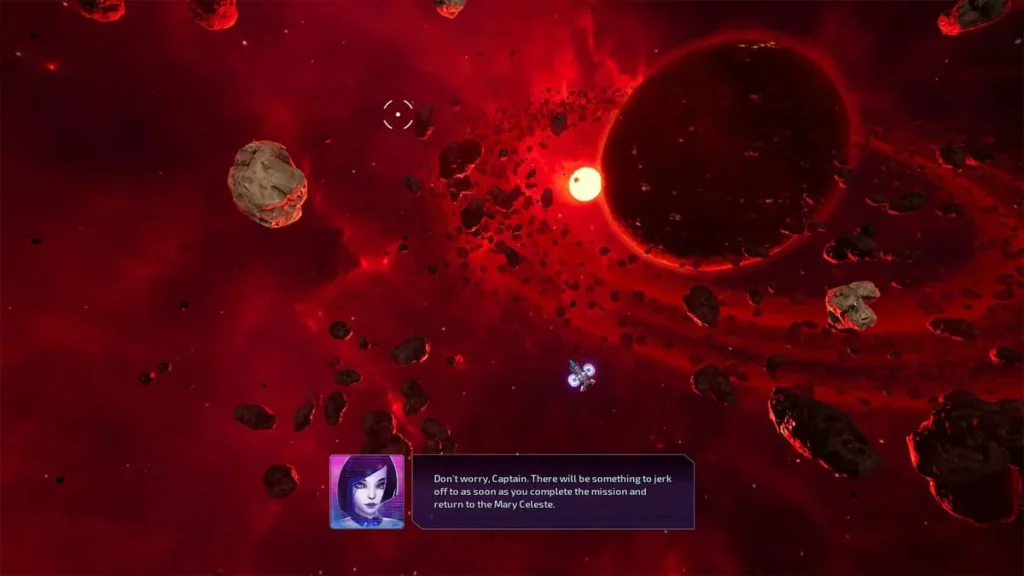
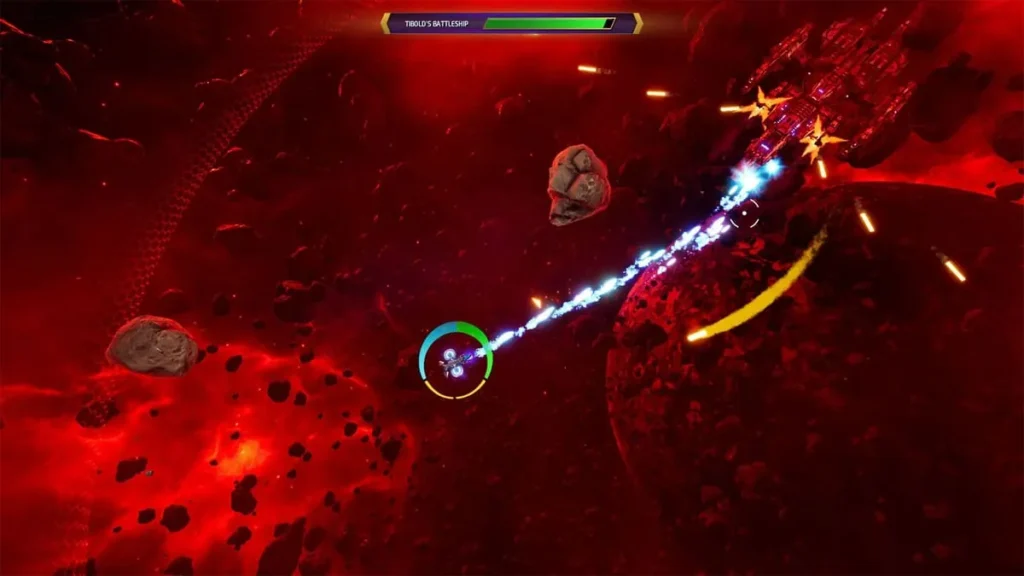
Just when you’ve had your fill of strategic plotting, Subverse throws you into the cockpit of the Mary Celeste for some pure, adrenaline-pumping action. The space shooter gameplay is a loving homage to classic arcade shoot ‘em ups, and it’s an absolute blast. This isn’t a mere mini-game; it’s a fully-fledged pillar of the experience with its own depth and progression.
These sections come in a few delicious flavors. You’ll encounter traditional vertical-scrolling stages where you weave through curtains of enemy fire, and thrilling side-scrolling battles that often involve assaulting large capital ships. My personal favorite, though, is the free-roaming mode. Here, you’re unleashed into a large 3D arena to complete objectives, hunt down enemy squadrons, or take on massive boss creatures. The sense of scale and freedom in these moments is incredible. ✨
The core of the space shooter gameplay is its arcade-style combat. It’s easy to pick up but rewarding to master. You have a standard blaster, a limited-use but powerful missile salvo, and a screen-clearing special attack that charges over time. The real skill comes from movement. Learning to strafe, dodge patterned attacks, and use the environment is key. Those asteroids aren’t just scenery—they’re vital cover you can use to block incoming fire or lure enemies into a deadly collision.
I remember one particular free-roam mission where I was getting overwhelmed by a swarm of agile fighters. My shields were nearly gone, and I was just button-mashing in a panic. Then I spotted a dense field of space debris. I dove into it, using the larger rocks as a shield, forcing the enemies to come at me one or two at a time through narrow gaps where I could pick them off. It turned a certain defeat into a tense, cinematic victory. That’s the magic of this arcade-style combat—it creates those emergent, memorable stories through its mechanics.
Your performance here is graded in real-time with a combo meter. Chaining kills without taking damage multiplies your points and resources earned. This directly feeds back into the character progression system, as the materials you gather are used to upgrade your ship’s weapons, shields, and engines. The space shooter gameplay isn’t an isolated arcade score attack; it’s a vital part of your journey to become a more powerful captain.
Character Progression and Crew Management
This is where Subverse truly ties its dual combat identities together. The character progression system and crew management mechanics form the backbone of your entire journey, impacting every laser blast fired and every tactical decision made. It’s a deep, rewarding meta-layer that makes every victory, in any mode, feel meaningful.
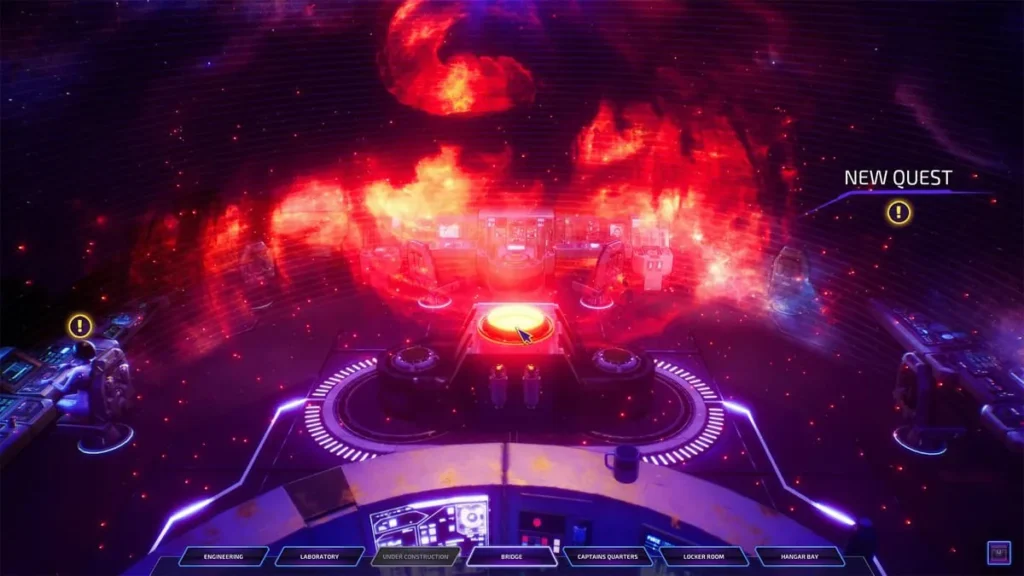
Let’s start with the crew themselves. Each character you recruit isn’t just a portrait with stats; they are fully realized companions with unique personalities, quests, and—most importantly—unique fighting styles. On the tactical grid, Demi might be your frontline anchor with area-of-effect slams, while Sova hangs back laying explosive traps. In the shooter segments, their influence shifts; building their loyalty unlocks devastating “Pandora” abilities you can call in during space battles, like a targeted orbital strike or a defensive drone swarm. Your choices in the crew management mechanics directly shape your combat options in both worlds.
The progression works through two main currencies: Experience and Loyalty. Winning battles in either mode grants XP, which allows a character to level up. With each level, you earn Skill Points to spend on a detailed skill tree. This is the core of the character progression system. You can specialize a character to enhance their natural role or branch out to cover weaknesses. Do you make your sniper even deadlier from range, or give her a mobility skill to escape flankers?
Loyalty is even more fascinating. It’s increased by completing character-specific missions and spending time with them on the ship. Raising loyalty doesn’t just unlock story scenes; it opens up new tiers of their skill tree and grants powerful permanent stat bonuses for your entire team. Investing in your crew’s personal stories is not just for narrative payoff—it’s a crucial crew management strategy for powering up.
Here are some key progression milestones you’ll unlock through successful combat:
* First Major Ship Upgrade: Unlocking new weapon systems or engine types that fundamentally change your space shooter gameplay options.
* Ultimate Ability Unlock: For each crew member, a powerful, game-changing skill at the end of their skill tree.
* Loyalty Threshold Bonuses: At key loyalty levels, you unlock special mods or passive buffs that apply to your entire squad in tactical grid combat.
* New Pandora Tech: Unlocking incredibly powerful special attacks for the shooter segments by deepening crew bonds.
* Resource Synthesis: Gaining the ability to craft high-end upgrade components from lower-tier loot gathered in battle.
Everything you do feeds this loop. The game employs a star rating system (from 0 to 3 stars) at the end of each mission, based on your performance. Achieving a higher rating grants more resources and XP, accelerating your progression. It’s a brilliant incentive to replay missions and perfect your approach, whether that means mastering the tactical grid combat without losing a squad member or achieving a high combo in the arcade-style combat.
So, how does Subverse combat work as a unified whole? Seamlessly. You fight on the grid to earn resources and XP to improve your crew. You then take that upgraded crew (and their new Pandora powers) into space battles to earn different resources to upgrade your ship. A stronger ship helps you tackle harder space missions, which yield the rewards needed to face tougher tactical challenges. It’s a glorious, self-reinforcing cycle of action, strategy, and growth that makes bringing your wildest galactic projects to life an absolute joy. 🌌
Subverse represents a unique intersection of ambitious game design, substantial financial backing, and niche entertainment appeal. From its record-breaking Kickstarter campaign to its full release in late 2024, the game demonstrates how independent developers can create complex, multi-system experiences that blend tactical strategy, arcade action, and narrative-driven gameplay. The title’s success lies not just in its distinctive content approach, but in its genuine effort to balance engaging mechanics across three distinct gameplay systems while maintaining charming character writing and impressive visual presentation. Whether you’re drawn to the tactical combat depth, the space exploration setting, or the character-driven narrative, Subverse offers a substantial gaming experience that has resonated with thousands of players worldwide. For those considering whether to invest their time and money, the game’s full release status, continuous developer support, and availability across multiple platforms make it more accessible than ever to explore what FOW Interactive has created.