Strangers on Paper
Play Strangers on Paper
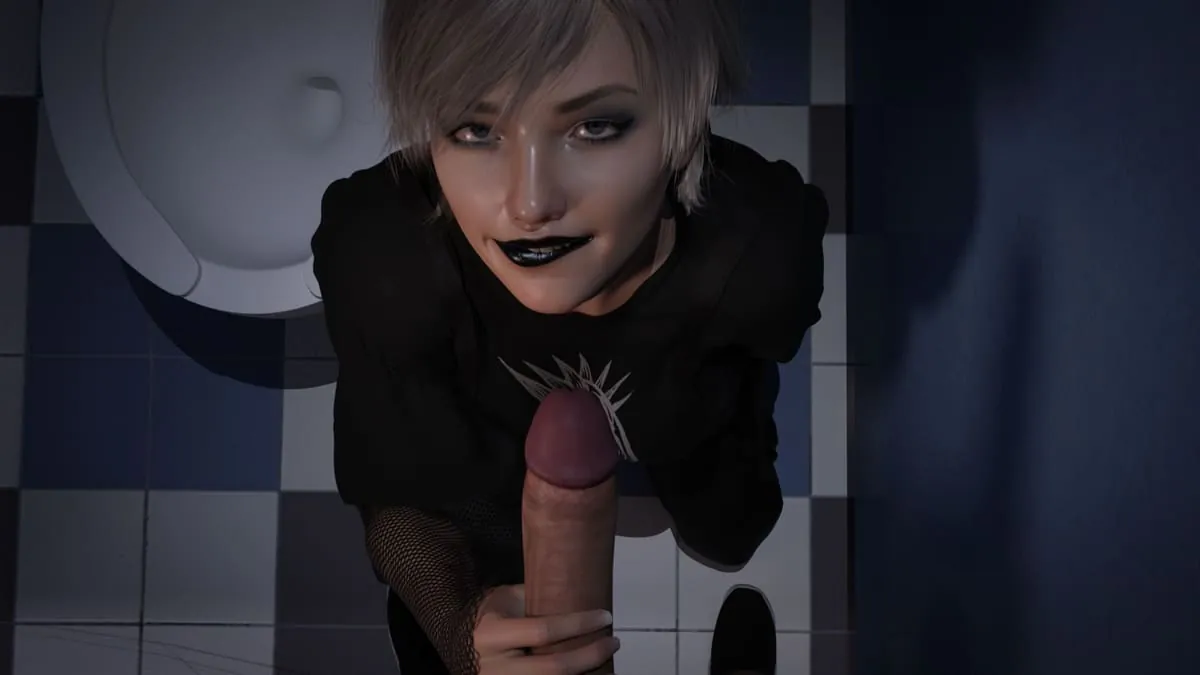
Strangers on Paper Screenshots








Strangers on Paper review
Discover the gripping story, characters, and immersive encounters in this unique visual novel
Ever stumbled upon a game that pulls you into a world of complicated relationships and unexpected thrills? That’s ‘Strangers on Paper’ for you—a visual novel that blends sharp storytelling with steamy encounters. I first discovered it late one night, hooked by its evocative prose and characters who feel achingly real. From horror-tinged mysteries to plausible intimate moments, this game delivers a physicality that’s rare in the genre. If you’re curious about its routes, protagonist Erik’s journey, or how food and daily details ground the narrative, stick around. We’ll dive deep into what makes ‘Strangers on Paper’ a standout adult experience you won’t forget.
What Makes Strangers on Paper So Addictive?
I have a confession to make. I almost scrolled right past Strangers on Paper. The title sounded intriguing, but my shelf was already full of visual novels promising epic fantasy or sci-fi drama. Then, on a whim, I downloaded it. Three hours later, my tea was stone cold, and I was completely entangled in the life of a man named Erik. That’s the magic trick of this Strangers on Paper game—it doesn’t need dragons or spaceships. It takes the quiet, complicated stuff of real life and makes it utterly compelling. 😮💨
So, what is Strangers on Paper at its core? It’s a narrative experience that feels less like playing a game and more like slipping into someone else’s skin for a while. You are the Strangers on Paper protagonist, a man navigating his late twenties with a mix of wry humor, simmering desire, and a genuine, often clumsy, want for connection. The story unfolds through your choices, leading you down distinct Strangers on Paper routes that explore intimacy, ambition, and the shadows of everyday life. This isn’t just a story you read; it’s one you feel, thanks to writing so sharp you can almost touch the textures it describes.
Who Is Erik and Why Do You Root for Him?
Let’s talk about Erik. 🫣 From the first few lines, Strangers on Paper Erik feels disarmingly real. He’s not a blank slate or a power fantasy. He’s witty and observant, with a healthy (and hilariously relatable) libido, but he’s also vulnerable, a little lost, and capable of profound tenderness. What makes him such a brilliant anchor for this visual novel Strangers on Paper is how he avoids cliché. His “horniness” isn’t a gag; it’s woven into his curiosity about people and his own longing. It makes his interactions—whether flirty, awkward, or deeply caring—feel authentically human.
You root for him because his flaws are familiar. He gets in his own head. He misreads situations. He wants meaningful connection but isn’t always sure how to build it. When you make choices as Erik, they feel like your choices, because his voice is so consistent and engaging. Whether he’s navigating a tricky conversation with Sid or sharing a quiet moment with another character, you’re not just directing a puppet; you’re guiding a person you’ve come to genuinely like and understand. This deep character work is what makes every encounter in this Strangers on Paper game resonate on a deeper level.
How the Routes Pull You in Different Directions
The heart of the Strangers on Paper game lies in its branching paths. Unlike some novels where routes feel like separate stories, here they feel like natural divergences from a single, complex life. Your choices don’t just change a scene; they steer the entire thematic and emotional trajectory of Erik’s story.
Take Sid’s route, which is a masterclass in narrative tension. 🩰 One path pulls you into the intense, glamorous, but psychologically fraught world of professional ballet. The writing doesn’t shy away from depicting the abusive dynamics and immense pressure that can exist in such environments. It’s compelling and darkly seductive. The other path is a deliberate step away from that drama, focusing on building something quieter and more stable in the “everyday life” you both share.
This isn’t a simple “good vs. bad” choice. Both paths are rich with emotional payoff, but they ask different questions of Erik and offer vastly different flavors of intimacy. The genius is in the plausibility; the logistics of how these relationships develop feel earned, never rushed, perfectly complementing the story’s tone. To get the most out of your first playthrough, my practical advice is simple: go with your gut. Don’t try to meta-game or guess the “best” outcome. Let Erik’s (and your) genuine reactions guide you. You can always replay—and you’ll want to.
To help visualize the weight of these decisions, here’s a breakdown of the pivotal choice in Sid’s story:
| Route Name | Key Dilemma | Emotional Payoff | Intimate Elements |
|---|---|---|---|
| Ballet Path | Supporting Sid’s return to a high-stakes, potentially toxic professional world. | Intense, cathartic drama; navigating passion, pain, and co-dependency. | Connection forged in shared pressure; physically charged, emotionally volatile moments. |
| Decline Path | Choosing a quieter life, sidestepping the old drama to build something new. | Gentle, steady growth; the beauty and challenge of peaceful, deliberate connection. | Intimacy built in daily routines; softer, more reassuring physical and emotional closeness. |
The Role of Everyday Details in Building Immersion
Many stories strive for the epic. Strangers on Paper finds its power in the intimate. This is where the Strangers on Paper story review in my head just fills with gold stars. The immersion doesn’t come from elaborate CGI cutscenes, but from prose that engages all your senses. 🍳
The game constantly uses everyday details as emotional anchors. Food isn’t just food; a shared meal can feel like a peace treaty, a comfort, or a tense silence. The descriptions of places—a slightly messy apartment, the backstage area of a theatre, a dimly lit bar—are so physically evocative you can feel the stickiness of the floor or the weight of the air. This attention to the tactile world makes every encounter feel immediate and real.
This extends to what I’d call its “elevated” unsettling elements. There are no jump scares. Instead, the Strangers on Paper game cultivates a slow-burn psychological unease through atmosphere and implication. It’s the horror of a bad feeling you can’t shake, a conversation that feels just off, or the chilling plausibility of certain relational dynamics. It’s deeply effective because it’s rooted in the same realism that makes the sweet moments so satisfying.
Let me share a scene that stuck with me. In one route, there’s a moment where Erik simply watches his love interest sleep after a long, emotionally draining day. The description isn’t flowery; it’s about the rhythm of their breathing, the way the streetlight filters through the blinds, the profound sense of peace and protectiveness in the room. It’s a “nothing” moment in plot terms, but in emotional terms, it’s everything. It’s these moments that glue you to the story.
I recently replayed a route I thought I knew well, and a throwaway line about a character’s family history suddenly clicked with a later event, casting the entire relationship in a new, more poignant light. That’s the replay value here: new insights into character motivations that make the world feel lived-in and intricate.
If you’re ready to dive into this unique visual novel Strangers on Paper, start by letting the details wash over you. Don’t rush. Savor the prose, pay attention to the small choices (they often matter more than you think), and let yourself be surprised by where a seemingly ordinary conversation can lead. You’re not just unlocking endings; you’re uncovering the layers of a life.
FAQ
Is Strangers on Paper suitable for horror fans?
Yes, but don’t expect traditional horror. It excels in psychological tension and unsettling, realistic atmospheres rather than monsters or gore. The horror comes from relatable fears and toxic dynamics, making it deeply effective for fans of character-driven suspense.
How long are the routes?
A single playthrough for one main route typically takes 2-4 hours, depending on your reading pace. However, with multiple major branches and significant variations within each path, seeing all the meaningful content can easily take 10-15 hours.
Do I need to play the routes in a specific order?
There’s no required order, but many players recommend following your natural interest in the characters. The game is designed so each route stands alone, though playing all of them gives you a richer, more nuanced understanding of the world and supporting cast.
What makes Strangers on Paper different from other visual novels?
Its commitment to emotional realism and sharp, physical prose sets it apart. It forgoes fantasy tropes to focus on complex adult relationships, plausible logistics, and a protagonist whose voice is both deeply flawed and incredibly engaging. It feels like reading a great novel where you get to guide the outcome.
There you have it—’Strangers on Paper’ isn’t just another visual novel; it’s a masterclass in character-driven storytelling with thrills that linger. From Erik’s relatable journey to those cleverly intertwined routes, it grounds steamy moments in a vividly real world. My own dives into its paths left me replaying scenes for the emotional punch and subtle details. If you’re ready for complicated people, evocative prose, and immersive encounters, grab the game today. Dive in, explore every route, and share your favorite moments in the comments—what hooked you first?