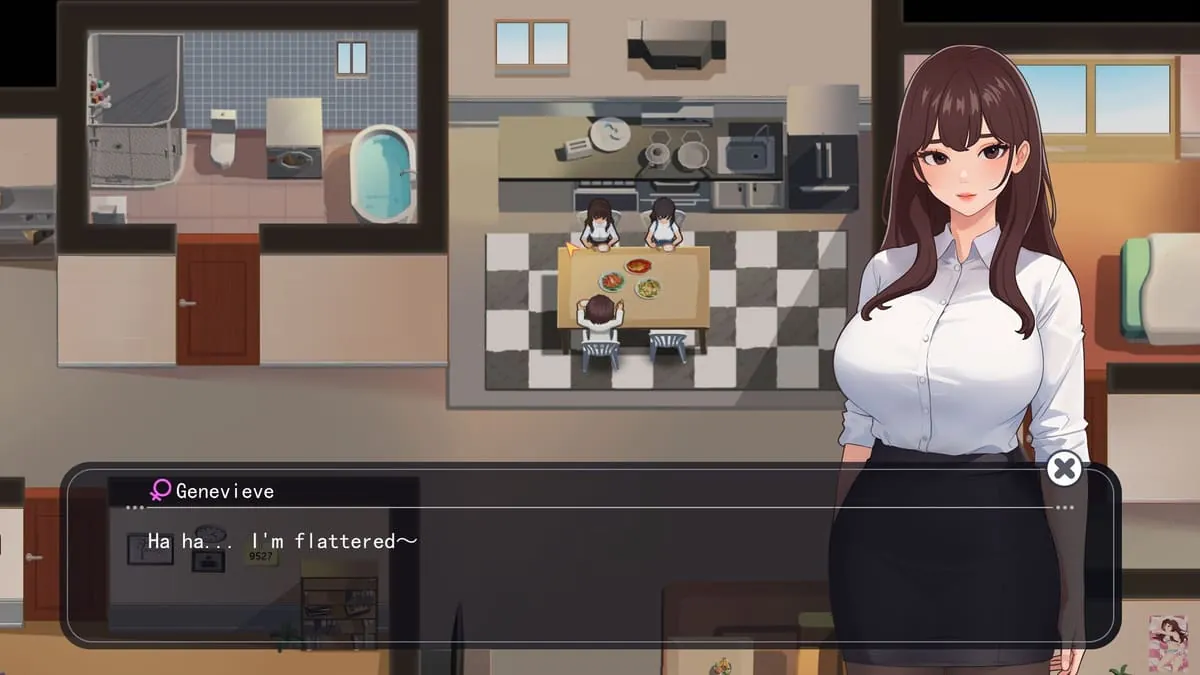
S.H.E.L.T.E.R. – An Apocalyptic Tale
Play S.H.E.L.T.E.R. – An Apocalyptic Tale
S.H.E.L.T.E.R. – An Apocalyptic Tale Screenshots










S.H.E.L.T.E.R. – An Apocalyptic Tale review
Master gameplay mechanics, character routes, and story choices in this post-apocalyptic visual novel
S.H.E.L.T.E.L.T.E.R. – An Apocalyptic Tale stands out as a choice-driven visual novel set in a post-apocalyptic world where your decisions directly shape the narrative and character relationships. Developed by Winterlook Games and released in November 2021, this adult-oriented experience offers meaningful relationship building, multiple character routes, and branching storylines that reward exploration and strategic decision-making. Whether you’re pursuing romance, corruption paths, or seeking specific scenes and endings, understanding the game’s mechanics and progression systems is essential for a complete playthrough. This guide covers everything from character routes and occupation choices to hidden mechanics and scene triggers that many players miss.
Understanding S.H.E.L.T.E.R. – An Apocalyptic Tale Gameplay Mechanics
Surviving in the bleak world of S.H.E.L.T.E.R. – An Apocalyptic Tale is about more than just scavenging for food and water. Your most valuable resource is the trust, loyalty, and control you build with the people around you. 🏚️ Every conversation is a negotiation, every gift a potential investment, and every choice a ripple that changes the course of your story. Unlike many visual novels, this isn’t a passive experience; it’s a strategic management sim of human relationships in the ruins of society.
My first playthrough was a mess, honestly. I thought I could just be a “nice guy,” agreeing to every request and trying to keep everyone happy. Bad move. 🤦♂️ I ended up with characters stuck in roles they hated, missed crucial story flags, and watched potential relationships fizzle because my choices were all over the place. I learned the hard way that to truly master this rich story, you need to understand its systems. This chapter is the guide I wish I’d had, breaking down everything from the visual novel choice system to the crucial save file management strategy you’ll need to see it all.
Core Gameplay Systems and Character Progression
At its heart, S.H.E.L.T.E.R. gameplay mechanics blend traditional visual novel storytelling with deep, branching role-playing elements. You’re not just reading a story; you’re actively building it through a cascade of decisions. The core loop involves managing your day, interacting with characters, and making choices that influence their stats, affection, and corruption levels. These post-apocalyptic visual novel mechanics are all about consequence and investment.
The visual novel choice system is the engine of the entire experience. Nearly every dialogue option and action carries weight. Some choices are obvious, like deciding to defend a character or throw them to the wolves. Others are subtle—a dismissive comment here, a forgotten promise there. These decisions feed into two primary, often competing, metrics for each character: Affection and Corruption.
Pro Tip: Don’t just click through dialogue! The game rarely highlights “important” choices. Assume every interaction matters, as even small talk can lock or unlock future scenes and opportunities.
Character progression isn’t about leveling up in a traditional sense. Instead, you guide each character’s personal and professional development. Their “stats” are their emotional and mental states, shaped by your influence. Are they hopeful and connected (high affection)? Or are they jaded, manipulative, and surviving by any means necessary (high corruption)? Your management of these invisible numbers directly unlocks different character progression routes, leading to vastly different endings for each person under your care. Expect to spend between 12 to 22 hours per playthrough, depending on how thorough you are and how many routes you explore.
Romance vs. Corruption Paths: Choosing Your Route
This is where S.H.E.L.T.E.R. – An Apocalyptic Tale truly shines and asks its most compelling question: what does care look like at the end of the world? The game presents a fundamental dichotomy in its romance vs corruption paths. These aren’t just “good vs. evil” labels; they represent two philosophies of survival and connection.
The romance path is about building genuine bonds, offering support, and fostering hope amidst the despair. 😊 It focuses on consent, emotional intimacy, and protecting the characters’ dignity. Choices on this path involve acts of kindness, keeping promises, and prioritizing the characters’ emotional well-being over short-term gains. Unlocking a character’s full romance route requires consistent nurturing of their Affection stat while keeping their Corruption low.
Conversely, the corruption path explores themes of manipulation, dependency, and using leverage to ensure loyalty and survival. 🐺 This isn’t necessarily about being mustache-twirlingly evil; it can stem from a twisted form of pragmatism or a belief that hardening someone is the only way to keep them alive. Choices here involve exploiting vulnerabilities, breaking wills, and trading dignity for security. Successfully guiding a character down this route means steadily increasing their Corruption while managing their Affection (which can sometimes become a twisted form of obsession).
You cannot have it both ways with a single character in one playthrough. The romance vs corruption paths are mutually exclusive for each individual. Trying to mix signals will leave you in a frustrating middle ground where you unlock neither their full romantic ending nor their fully corrupted storyline. You must commit to a vision for each person.
Mastering the Occupation System
Your influence extends beyond hearts and minds into the very practical matter of work. The occupation system guide is essential for unlocking specific scenes, earning resources, and steering a character’s story. Early on, you’ll be tasked with assigning the survivors jobs within the shelter. This isn’t just busywork; it’s a powerful narrative tool.
Each occupation comes with its own storyline, daily scenes, and unique events that flesh out the world and the character. Placing someone as a Musician might lead to poignant scenes about preserving art, while assigning them as a Scavenger opens up dangerous, resource-focused storylines. Some occupations are only available if a character is on a specific emotional character progression route. For example, guiding a character toward the Brothel Worker occupation is almost always tied to their corruption path, presenting a narrative of exploitation or grim pragmatism.
Here’s a breakdown of how key occupations can align with different paths:
| Character | Available Occupations | Common Path Association |
|---|---|---|
| Example Character A | Medic, Musician, Bartender | Musician/Bartender often lean Romance; specific story beats can tie Medic to either path. |
| Example Character B | Scavenger, Guard, Brothel Worker | Guard can be either; Brothel Worker is heavily Corruption-focused; Scavenger is often neutral. |
| Example Character C | Cook, Teacher, Brothel Worker | Teacher is a classic Romance path occupation; Cook is neutral; Brothel Worker is again Corruption-linked. |
| Example Character D | Bartender, Musician, Scavenger | Similar to A, with Musician being a key romance trigger and Scavenger offering path-neutral survival scenes. |
Choosing an occupation is a major story flag. It will open some doors while permanently closing others for that playthrough. Think of it as choosing a character’s “class” in an RPG—it defines a significant portion of their personal narrative arc.
Save File Management for Complete Playthroughs
With so many branching character progression routes and mutually exclusive romance vs corruption paths, a single save file is a ticket to missing 70% of the content. A smart save file management strategy is not just recommended; it’s absolutely mandatory for anyone who wants to experience the full depth of S.H.E.L.T.E.R. gameplay mechanics.
The golden rule: save often and save in slots. Do not overwrite a single file. The game’s choices can have delayed consequences, and you might not realize you’ve made a critical decision until hours later. Here is my recommended structure for organizing your saves, which has saved me countless hours of replaying from the very beginning.
Recommended Save File Structure:
- Master Save (Slot 1): This is your pure, untouched save right at the very beginning of the game. Never overwrite this. It’s your reset button for the entire experience.
- Chapter Saves (Slots 2-5): At the start of each major chapter or after a significant story event (like a time-skip or a shelter-wide decision), create a new save. Label it clearly (e.g., “Start of Chapter 3”).
- Branching Point Saves (Slots 6-15): This is the most important category. When you are about to make a major decision that you know splits paths—like assigning a critical occupation, or choosing between two characters in a conflict—SAVE IN A NEW SLOT. Label it with the decision (e.g., “Before Anna’s Job Assignment” or “Choose: Help Ben or Help Maya”).
- Route-Specific Saves (Slots 16+): Once you are firmly on a specific character’s romance or corruption path, create a dedicated save for that route. This lets you continue from the mid-point if you want to see the different endings for that specific path.
Personal Insight: I keep a physical notepad or a simple text file open while playing. I jot down the save slot number and a brief note like “Slot 12 – Right before telling Alex the truth about the supplies.” This trivial habit has been a bigger game-changer than any walkthrough.
This approach allows you to be daring in your choices. See what happens if you betray someone’s trust. You can always load back your “Branching Point Save” and choose differently without replaying dozens of scenes. This save file management strategy respects your time and turns a potentially daunting web of choices into an explorable playground.
Ultimately, the S.H.E.L.T.E.R. gameplay mechanics are designed to make you feel the weight of leadership in a shattered world. Your choices in the visual novel choice system create a unique tapestry of stories, defined by whether you chose romance vs corruption paths and how you managed the occupation system guide. By using a solid save file management strategy, you can witness the stunning breadth of this post-apocalyptic visual novel without fear. Remember, this is an adult-only experience with mature themes—its power lies in letting you explore difficult, nuanced scenarios and live with the outcomes. So go ahead, make your choice, and save. Then see what the other version of you would have done. 🌎✨
S.H.E.L.T.E.R. – An Apocalyptic Tale delivers a rich, choice-driven experience that rewards careful planning and multiple playthroughs. By understanding the game’s mechanics, managing your save files strategically, and exploring both romance and corruption paths, you’ll unlock the full depth of character relationships and story variations the game offers. The key to experiencing everything this visual novel has to offer lies in recognizing how interconnected your choices are—from occupation selections to major story decisions—and planning your playthroughs accordingly. Whether you’re seeking specific scenes, pursuing particular character routes, or aiming for complete story coverage, the strategies outlined in this guide will help you navigate the post-apocalyptic world with confidence and maximize your enjoyment of this ambitious narrative experience.