Reincarnotica
Play Reincarnotica
Reincarnotica Screenshots


Reincarnotica review
Explore the immersive visual novel experience with soul mechanics, character relationships, and narrative choices
Reincarnotica stands as a distinctive interactive experience that reimagines the visual novel genre through innovative mechanics and player-driven storytelling. This adult visual novel combines narrative depth with meaningful choices, allowing players to shape their own journey across multiple lifetimes. Whether you’re curious about the soul memory system, character relationships, or the intricate web of cause-and-effect gameplay, this guide explores everything you need to know about what makes Reincarnotica a compelling choice for players seeking engaging storytelling combined with supernatural themes and character customization.
Understanding Reincarnotica’s Core Concept and Setting
Let’s be honest, most games tell you who you are. You’re the chosen hero, the gritty soldier, the rookie pilot. But what if you weren’t just one person? What if you were everyone you’ve ever been? That’s the mind-bending question at the heart of Reincarnotica gameplay, and it completely redefines what a story can be. 🧠✨
This isn’t just another visual novel; it’s a deep dive into the self, using a revolutionary soul reincarnation game mechanics system. You don’t just play a character—you play the soul connecting them. Forget simple backstory flashbacks. Here, your past lives are active, accessible memories that shape your present, influence your relationships, and determine the fate of reality itself. It’s a virtual reality visual novel experience that asks: if you could remember every life you’ve ever lived, how would it change the choices you make today?
I remember my first session. I was so used to games with clear objectives—”defeat the dragon,” “solve the murder.” Reincarnotica handed me none of that. Instead, it handed me a profound sense of disorientation, then wonder. It wasn’t about finding a quest marker; it was about finding myself across centuries. That’s the magic of the Reincarnotica story premise. It trusts you with an immense, interconnected narrative and says, “Your consciousness is the key. Now go figure it out.”
The Soul Reincarnation Premise
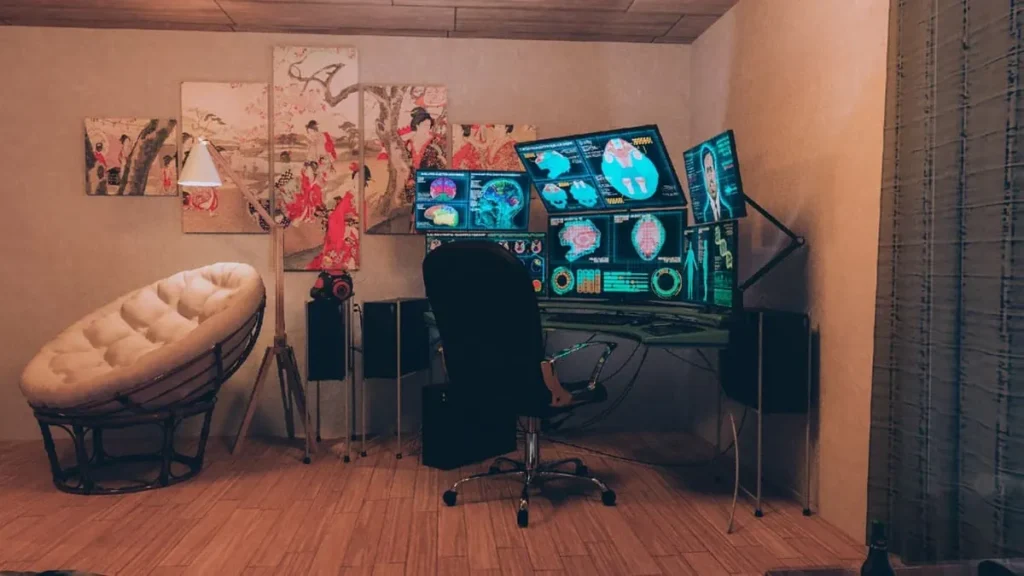
So, how does this all work? The core of Reincarnotica gameplay is the Anchor Life system. You begin your journey not as a blank slate, but as Leo, a 42-year-old man feeling the weight of a mundane, somewhat unfulfilling life. 🏙️👨💼 During a cutting-edge virtual reality therapy session meant to explore past-life regression, something goes spectacularly wrong (or right). Leo’s consciousness doesn’t just observe a past life—it gets violently yanked out of his own body and deposited into that of Kaito, a vibrant young man in his twenties.
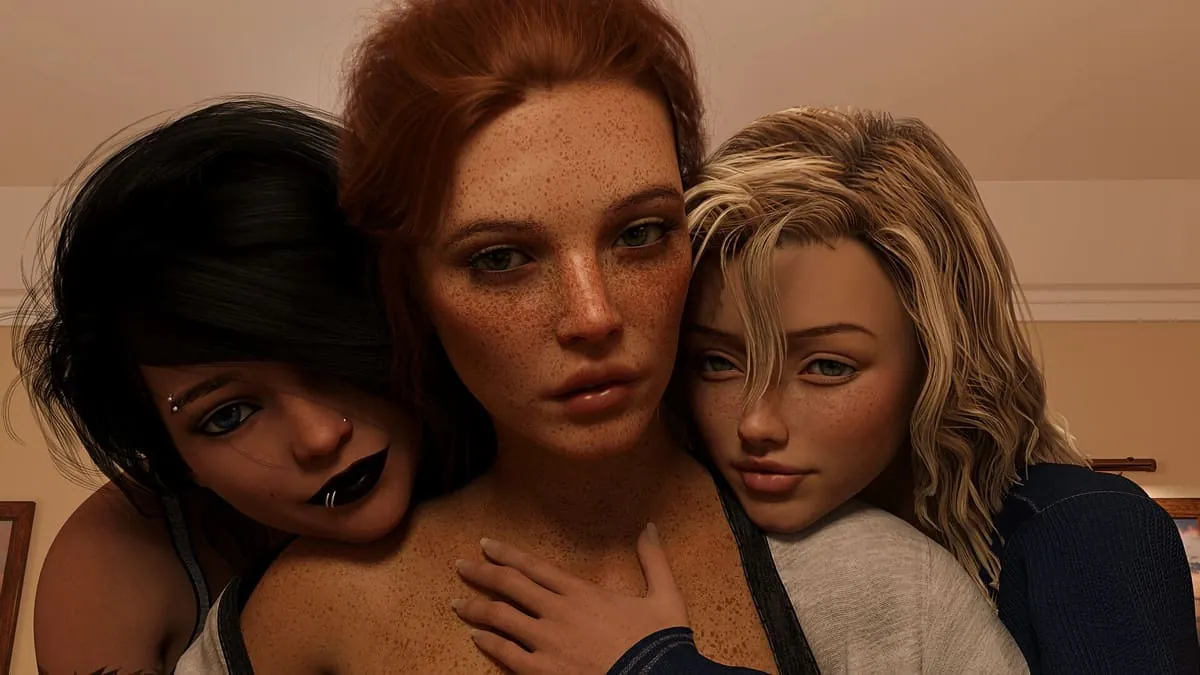
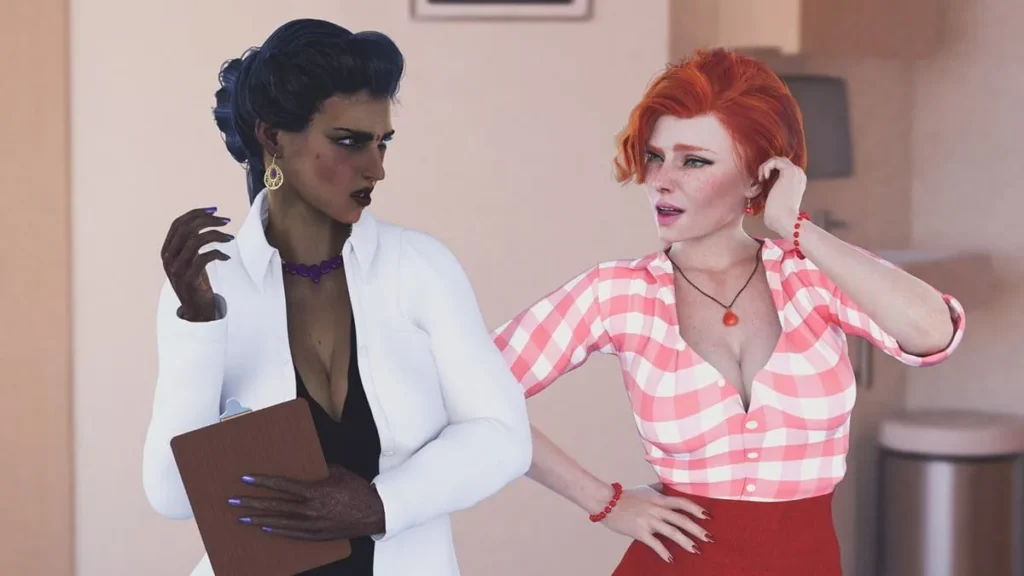
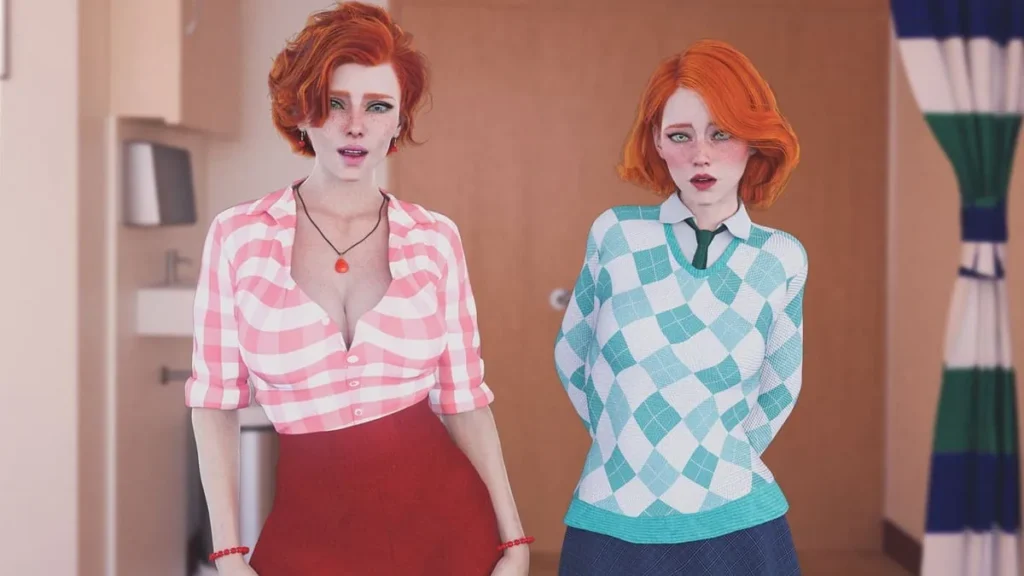
This sudden character body swap concept is your introduction to the game’s central mechanic. You’re not merely controlling Kaito; you are Leo, trapped in Kaito’s body, with Leo’s memories, regrets, and middle-aged perspective clashing with Kaito’s youthful reality. And what a reality it is: Kaito lives with two strikingly different and beautiful women, Sora and Rin, in a dynamic that is immediately, wonderfully awkward. Talk about a narrative hook!
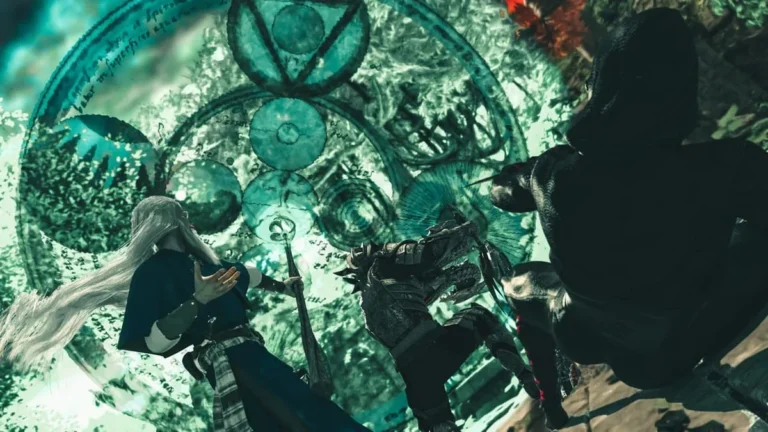
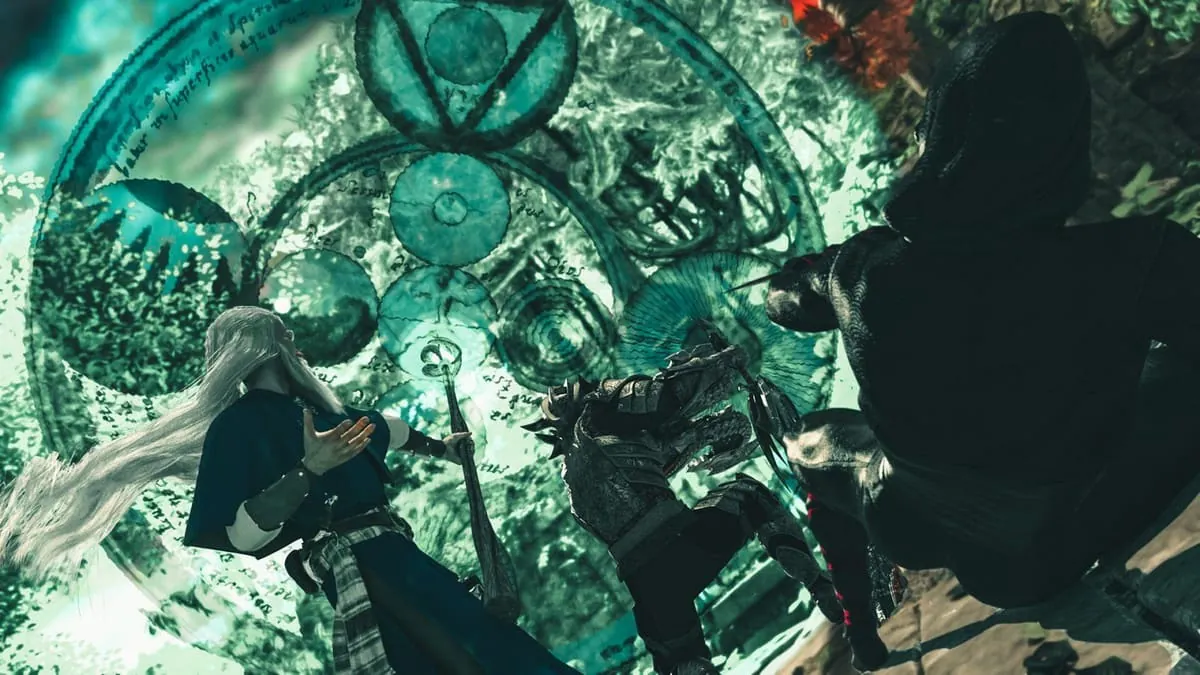
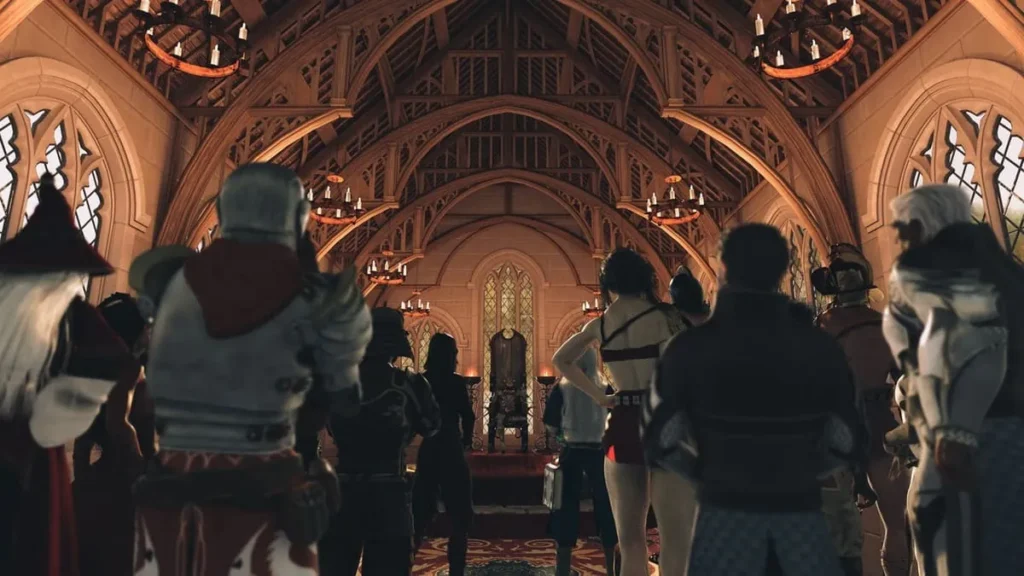
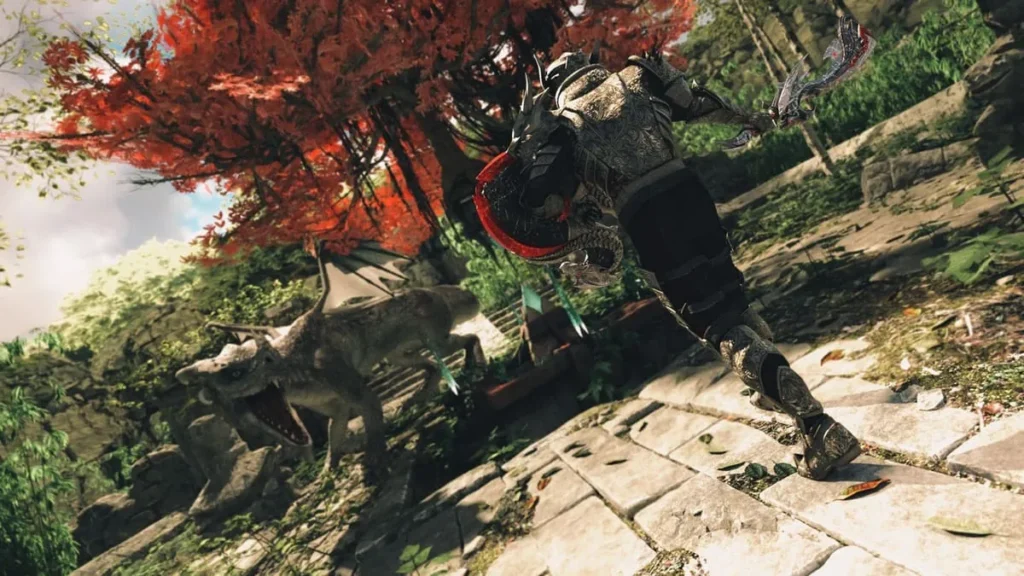
From this point, the soul reincarnation game mechanics truly unfold. You discover this “accident” has fractured the normal cycle of rebirth. Leo’s soul has become “unanchored,” granting you the rare ability to consciously access other past lives, not as cutscenes, but as playable realities. One moment, you’re navigating the complex modern emotions and tensions in Kaito’s shared apartment. The next, a strong scent or a fragment of melody might trigger a “Soul Resonance,” and you’re thrust into the life of Sir Aldric, a knight sworn to protect a mystical forest in a medieval kingdom teeming with actual, dangerous magic. ⚔️🌳
This isn’t random hopping. Each life is a piece of a cosmic puzzle. Memories, skills, and even emotional bonds can bleed between lives. A lesson in patience learned as a humble potter in a desert civilization might give you the perspective to de-escalate a bitter argument in Kaito’s life. Conversely, a deep trauma suffered as a spy in a war-torn, dieselpunk era might manifest as an unexplained phobia in another life, one you must uncover and heal.
My Tip: Pay close attention to environmental details and character dialogues across all eras. A symbol on a tavern sign in the medieval era could be the corporate logo of a mega-corp in the cyberpunk timeline. The game’s Reincarnotica world building is a tapestry where every thread connects.
Near-Future Virtual Reality World
To make this incredible journey believable, Reincarnotica needs a compelling launchpad. That’s its brilliantly realized near-future setting. We’re not talking full-dive neural fantasy; it’s about 30 years from now. VR technology, called “Sim-Spheres,” has evolved to become hyper-realistic and socially ubiquitous, used for everything from tourism and education to deep psychological therapy. 🎧🌐
This context is crucial. It makes Leo’s initial predicament scientifically plausible (if extraordinarily rare) within the game’s own logic. The “glitch” that starts everything feels like a terrifying software bug, not pure fantasy. This grounded, speculative fiction approach makes the subsequent leap into soul reincarnation game mechanics even more powerful. The game asks: what if our science, in seeking to map the brain, accidentally brushed against the soul?
The setting itself is a character. As Kaito, you navigate a sleek, neon-drenched Tokyo-esque metropolis. Holographic advertisements paint the rain-slick streets with light, drones whizz between towering skyscrapers, and everyone is connected through augmented reality interfaces. But beneath this glossy surface, the same human dramas play out: love, jealousy, ambition, and loneliness. This contrast is key to Reincarnotica world building. It shows that while technology and scenery change dramatically across eras—from candlelit stone halls to sprawling digital arcologies—the core struggles of the people (of you) remain hauntingly familiar.
This meticulous attention to detail in every era sells the immersion of this virtual reality visual novel. When you transition to the cyberpunk metropolis of Neo-Kyoto, you don’t just see neon; you feel the hum of infrastructure, the press of crowds in cramped vertical cities, and the cold, corporate oppression lurking behind a facade of vibrant nightlife. Each world is built not just for spectacle, but to evoke specific emotions and present unique social challenges that test different aspects of your accumulating soul.
| Era | Key Themes | Gameplay Influence |
|---|---|---|
| Modern Anchor (Kaito’s Life) | Identity, Modern Relationships, Adapting to Change | Base of operations; choices here manage immediate character relationships and trigger major resonances. |
| Medieval Kingdom (Aldric’s Life) | Honor, Duty, Nature vs. Order | Focus on physical combat mechanics, political intrigue, and forging bonds of loyalty. |
| Dieselpunk War-State (The Spy’s Life) | Sacrifice, Morality in Conflict, Truth & Deception | Emphasizes stealth, persuasion, and making heartbreaking choices with limited information. |
| Cyberpunk Metropolis (The Hacker’s Life) | Corporate Control, Digital Identity, Rebellion | Introduces hacking mini-games, information warfare, and navigating complex digital social hierarchies. |
How the Narrative Framework Shapes Your Experience
This is where Reincarnotica separates itself from any other story-driven game. The narrative isn’t a track you follow; it’s a living, breathing ecosystem that reacts to the cumulative weight of your soul’s experiences. Your interactive narrative choices carry consequences that aren’t confined to a single chapter or life—they echo across time. 🌊⏳
The game presents complex moral dilemmas with no “good” or “evil” flag attached. Early on, in your medieval life as Aldric, you might discover a corrupt official within the kingdom’s court. You have a choice: expose him publicly (causing immediate political chaos), blackmail him to gain a powerful but compromised ally, or quietly gather more evidence (allowing his schemes to continue in the short term).
This is not a simple binary. Let’s say you choose to blackmail him. Fast forward to your cyberpunk life. While digging through a sealed corporate database, you find a historical log. It reveals that the bloodline of that corrupt official, shamed but not destroyed, evolved over centuries into a ruthless mega-corporation that now dominates Neo-Kyoto. Your choice 800 years ago directly shaped the oppressive power structure you’re fighting against today. Perhaps that corporation now employs one of the women in Kaito’s life, putting her in danger. Your interactive narrative choices have literal centuries-long ripple effects.
This cause-and-effect web is the true genius of the Reincarnotica story premise. You’re not just managing relationships; you’re managing legacies. A kindness shown to a beggar in one life might be repaid by their descendant saving you in another. A secret you take to the grave in a past life might be the very piece of information you need to uncover a conspiracy in your anchor life. The game constantly surprises you with these connections, making you feel like an archaeologist of your own existence.
The ultimate narrative framework is the “Convergence,” a cosmic event where the barriers between all your lives thin, and a threat to existence itself emerges. To face it, you must achieve synergy between your lives. This might mean combining Aldric’s swordsmanship with the hacker’s digital prowess, or using the spy’s pain tolerance to endure a psychic assault. You unravel the mystery by being all of your selves, finally unified in purpose.
Your goal is to heal the fracture in your soul, understand the true nature of the Convergence, and make a final, universe-altering choice that determines the state of the world across all timelines. Will you sever the cycle of rebirth? Merge the timelines? Or find a new, third path? The Reincarnotica gameplay culminates in a decision that feels profoundly personal, because you’re not deciding for a character—you’re deciding for the very essence of a soul that you have lived through, loved with, and fought for across countless lifetimes.
This is the immersive promise of Reincarnotica. It’s a journey that starts with a confused man in a wrong body and ends with you holding the threads of reality, shaped entirely by the memories you’ve cherished, the losses you’ve mourned, and the connections you’ve forged across time. It’s not just about playing a game; it’s about exploring what it means to be human, forever.
Reincarnotica represents a compelling evolution in interactive visual novel design, combining sophisticated gameplay mechanics with emotionally resonant storytelling. The game’s innovative systems—from the Soul Echo mechanics to Karmic Consequences—create a living world where your choices genuinely matter across multiple lifetimes. Whether you’re drawn to the intricate character relationships, the complex moral dilemmas, or the freedom to shape your own narrative path, Reincarnotica offers substantial depth and replayability that rewards thoughtful engagement. The blend of near-future virtual reality settings with timeless themes of reincarnation and legacy creates a unique experience that stands apart in the visual novel landscape. If you’re seeking an interactive narrative that responds authentically to your decisions and values player agency, Reincarnotica delivers an experience worth exploring. Start your journey today and discover how your choices weave the tapestry of your character’s eternal story.