
Project QT Screenshots


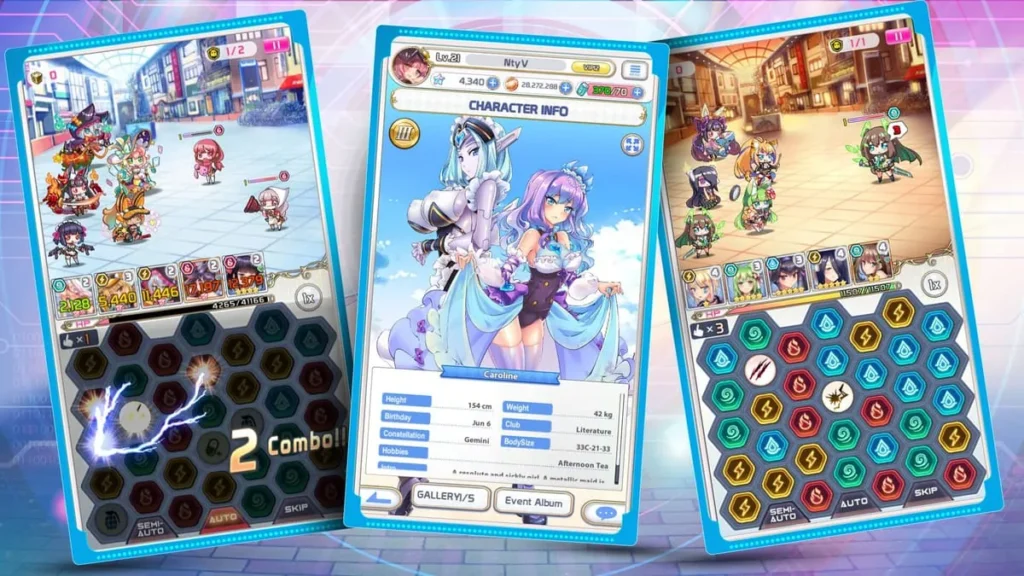
Project QT review
Master strategic gameplay, narrative depth, and character progression in this innovative mobile experience
Project QT stands out in the crowded mobile RPG landscape by offering a sophisticated blend of strategic gameplay and narrative depth that keeps players engaged long-term. This mobile role-playing experience combines tactical decision-making with compelling storytelling, creating an immersive gaming environment that appeals to both casual and hardcore gamers. Whether you’re new to the game or looking to optimize your strategy, understanding the core mechanics and progression systems will significantly enhance your gaming experience. This guide explores everything you need to know about Project QT’s unique features, gameplay systems, and strategic approaches to maximize your enjoyment and success.
Understanding Project QT’s Core Gameplay Mechanics
Ever started a mobile RPG, tapped through what felt like a tutorial forever, and then realized you were just mindlessly hitting the same button over and over? 🙄 I have. That feeling of “Is this it?” is what makes so many games fade into the background. When I first booted up Project QT mobile RPG, I braced for more of the same. But something clicked in the first real battle. My team was losing, my healer was down, and I couldn’t just spam my strongest move to win. I actually had to think. I retreated, swapped a character, timed a skill differently, and turned a sure loss into a clutch victory. That “aha!” moment was my introduction to what sets this game apart: a deep, rewarding layer of strategic gameplay mechanics that treats your brain as the most powerful weapon in your arsenal.
This isn’t just another auto-battler with a pretty coat of paint. Project QT is a game of chess dressed up as a vibrant, character-driven adventure. It asks more of you, and in return, gives you a far more satisfying sense of mastery. This guide is your key to that vault. We’re going to break down the core systems—combat, growth, and story—so you can move from simply playing to truly commanding. Let’s dive in.
Strategic Combat System and Tactical Decision-Making
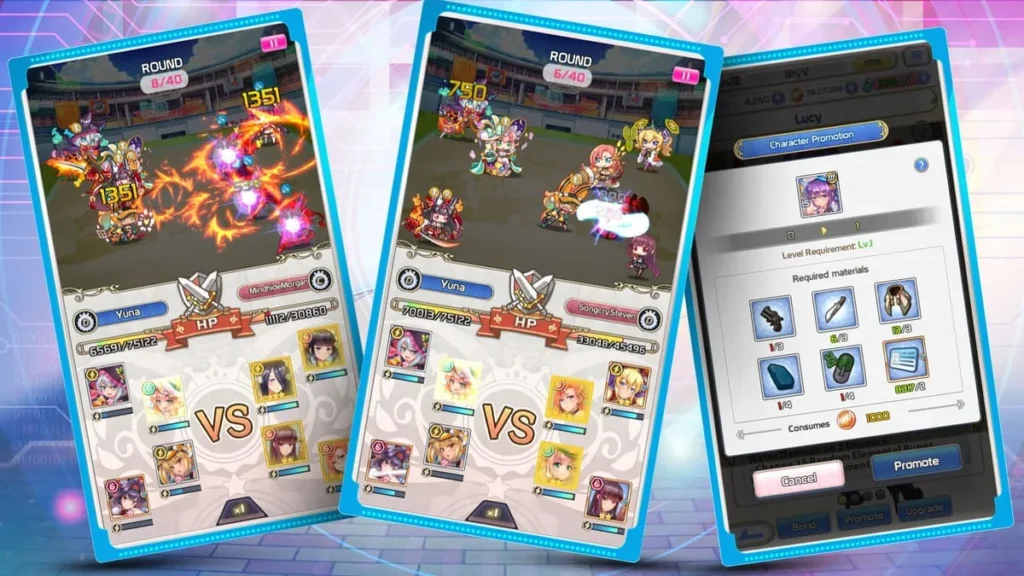
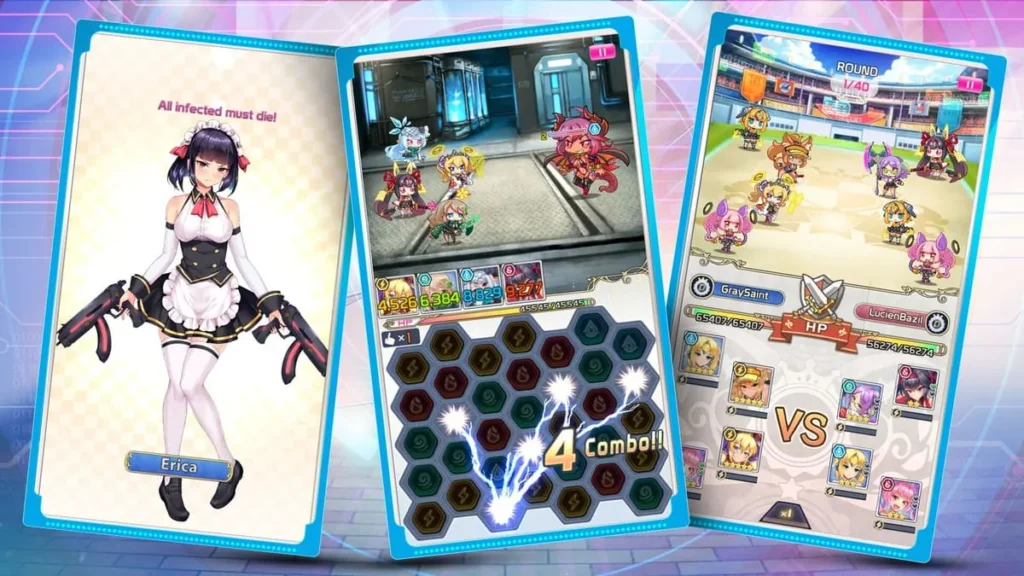
Forget about parking your team and watching them fight on autopilot. While an auto-function exists for grinding, the heart of Project QT beats in its manual, turn-based combat where every choice ripples across the battlefield. 🎯 The system is built on a rock-paper-scissors foundation of elemental affinities (Fire beats Nature, Nature beats Water, Water beats Fire, etc.), but that’s just the kindergarten class. The graduate school is in ability timing, energy management, and target prioritization.
Your tactical combat strategy begins before the fight even starts, with your formation. Placing a sturdy defender in the front line to absorb damage for your fragile damage dealers in the back is Combat 101. But it goes deeper. Some characters have skills that buff allies in adjacent positions or hit enemies in a specific column. Your formation isn’t just about protection; it’s about enabling powerful synergies.
Energy is your lifeblood. Basic attacks generate it, and powerful skills consume it. Do you spend 50 energy now on your attacker’s medium-strength skill to finish off a weakened foe? Or do you wait, taking more damage, to unleash a devastating 100-energy ultimate on the next turn? This constant risk-reward calculation is where battles are won and lost.
Pro Tip from the Frontlines: I learned this the hard way. I saved all my energy for one big, flashy ultimate, only to have the enemy healer undo all my work the next turn. Now, I often use cheaper skills to disrupt key enemies—silencing a healer or lowering a tank’s defense—setting up my team for a cleaner, more efficient victory.
Let’s look at a real gameplay scenario:
You’re facing a boss with a powerful, party-wide attack they charge up every three turns. Your strategic gameplay mechanics toolkit must come into play.
* The Wrong Approach: You ignore the pattern and just attack whoever is in front. The boss unleashes their charged attack, wiping your team.
* The Tactical Victory: You notice the charge-up. You use a character with a “Skill Delay” ability on turn two, pushing the boss’s big attack back a turn. Meanwhile, you use another character’s defense buff on your team right before the attack would have landed. When it finally goes off, your team survives with health to spare, and you counter-attack for the win. This is tactical combat strategy in action: observing, adapting, and using your tools intentionally.
The game brilliantly balances this depth with accessibility. The elemental system is clear, skill descriptions are detailed, and you can preview enemy teams. It gives you all the information; your job is to craft the perfect plan. This focus on player agency over pure power is what makes every victory in this Project QT mobile RPG feel earned. 🏆
Character Development and Progression Systems
You can have the best battle plan in the world, but if your characters are weak, it’ll shatter against a stronger foe. This is where Project QT character development shines—it’s a multifaceted journey, not a simple number grind. Your girls grow with you, and each investment feels meaningful.
The core of the character progression system rests on several pillars you’ll manage simultaneously:
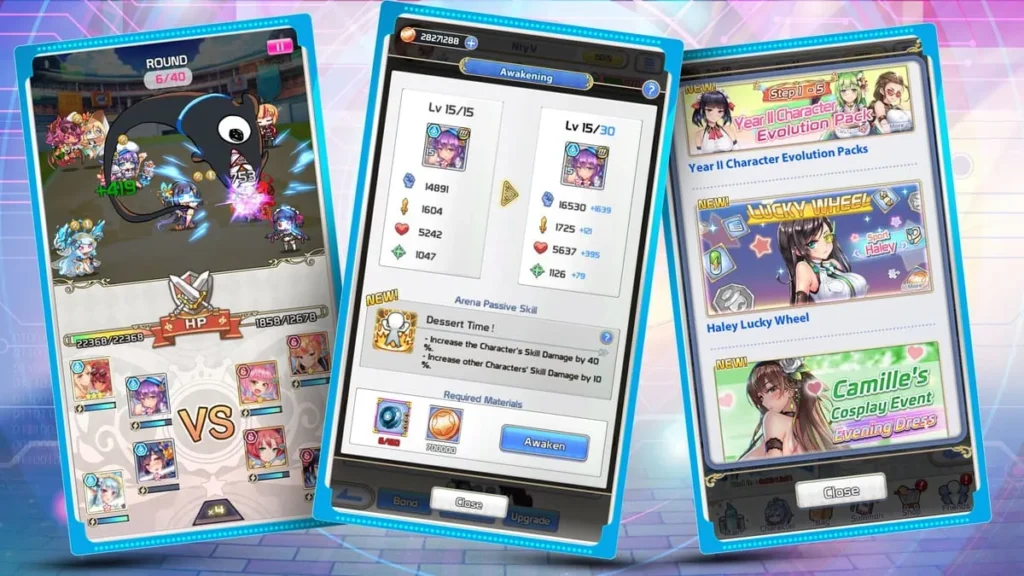
- Leveling & Ascension: You gain experience to increase base stats, but hitting max level isn’t the end. Ascension uses specific materials to break the level cap, unlocking higher potential and often new passive skills. It’s a gate that ensures your progression is tied to game milestones, not just playtime.
- Skill Upgrades: Each character has a set of unique active and passive skills. Upgrading them doesn’t just increase damage or healing percentages; it can reduce energy costs, add debuffs, or increase buff durations. Choosing which skill to upgrade first for a character is a key strategic gameplay mechanics decision outside of battle. Do you enhance your tank’s taunt duration or their self-heal?
- Equipment & Promotions: Finding and upgrading gear provides significant stat boosts. Promoting a character to a higher star rating, however, is a monumental leap. It massively increases all stats and is the primary way to unlock a character’s final, most powerful skills. This chase for promotion materials is a core long-term driver.
Resources are plentiful but must be managed wisely. Stamina, gold, upgrade stones, and ascension gems—you’ll always want more than you have. The strategic gameplay mechanics extend to your resource economy. Should you spend your daily stamina farming gear for your main team or gathering ascension materials for a new character you just unlocked? There’s no single right answer, which is the point. Your choices define your roster’s shape and strength.
This isn’t a game where you max one “meta” character and call it a day. The game’s content, from story chapters to special event challenges, often requires a deep bench of varied characters. Encouraging you to build a wide roster is a masterstroke of its character progression system, ensuring the gameplay stays fresh and strategic.
Narrative Integration and Story-Driven Gameplay
Many mobile RPGs treat their story like a nuisance—a wall of text you skip to get back to the gacha pull or the grind. Project QT flips this script entirely. Here, the narrative isn’t filler; it’s the glue that binds everything together, creating a truly narrative-driven gameplay experience. 📖
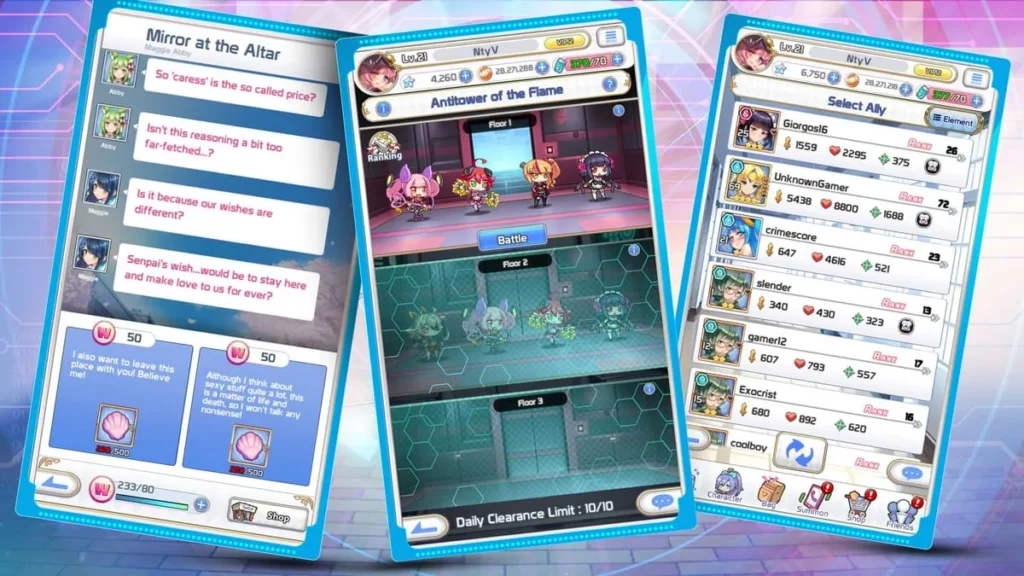
From the moment you start, you’re not just a faceless commander. You’re actively participating in a sprawling, character-centric story. The chapters aren’t just a series of combat stages with a token sentence of context. They are episodes in an ongoing anime, complete with humor, intrigue, and emotional beats. The characters you summon and fight with aren’t just collections of stats and art—they have personalities, backstories, and relationships that unfold through the main plot and their own dedicated side stories.
This integration is genius. Why should you care about powering up a certain healer? Because you just spent a story chapter rescuing her from a tricky situation, learning about her fears and her resolve. That connection transforms the character progression system from a mechanical grind into a personal mission. You’re not just upgrading “Healer Unit B”; you’re helping a character you’ve grown fond of become stronger.
The narrative-driven gameplay also cleverly introduces new mechanics and challenges. A story beat about a mysterious energy field might translate into a new battle stage where energy regeneration is halved, forcing you to rethink your skill rotation. A character’s personal quest to master a new ability might unlock a unique skill tree for them. The story provides the “why,” making the gameplay “how” much more engaging.
This is how Project QT mobile RPG differentiates itself. It understands that true immersion comes when the stakes of the battle are tied to the stakes of the story. You fight harder because you want to see what happens next, not just because you need more loot. The narrative gives purpose to every bit of progression, making your entire journey through the game feel cohesive and meaningful.
Mastering Your Team: A Composition Guide
Understanding combat and progression is one thing, but assembling the right team for the job is where theory meets practice. A perfect team composition guide doesn’t list a single “best” team—it teaches you how to build for any situation. Think of your roster as a toolbox, and each challenge is a different repair job. 🛠️
Successful teams are built around roles that synergize. Throwing five damage dealers together is a quick way to lose. You need balance. Here’s a breakdown of the key roles and how they function:
| Character Role | Primary Function | Strategic Advantage |
|---|---|---|
| Tank / Defender | Absorb damage, protect allies, often taunt enemies. | Essential for surviving heavy-hitting bosses. Allows your damage dealers time to operate safely. |
| Attacker / Damage Dealer | Focus on eliminating enemies quickly. Can be single-target or area-of-effect (AoE). | Your primary solution to enemy threats. AoE is great for waves of weak foes; single-target is key for bosses. |
| Healer / Support | Restore ally health, remove debuffs, provide shields. | The backbone of sustainability. Turns narrow survival into stable, winning positions. |
| Buffer / Debuffer | Enhance your team’s stats or weaken enemy defenses/attack. | Force multipliers. A good buff or debuff can effectively double your damage or halve incoming attacks. |
| Controller | Disrupt the enemy with silences, stuns, skill delays, or energy reduction. | The ultimate tactical tool. Can shut down enemy strategies completely, creating windows of safety. |
Your tactical combat strategy starts with identifying the enemy’s win condition. Is it a boss that does huge single-target damage? Bring a strong tank and a single-target healer. Is it a stage with ten weak enemies? An AoE attacker and a controller to manage the crowd is key. Look at enemy elements and adjust your team’s elemental alignment to gain that crucial damage advantage.
Early on, a simple, balanced core of 1 Tank, 2 Attackers, 1 Healer, and 1 Buffer will carry you far. As you progress, you’ll specialize teams for specific endgame modes. The joy comes from experimenting—discovering that a certain buffer’s attack boost perfectly syncs with your main attacker’s multi-hit skill, or that a controller can permanently lock down the most dangerous enemy. This continuous theory-crafting is the soul of the Project QT endgame.
Bringing It All Together: The Project QT Journey
So, what does mastering this Project QT mobile RPG actually look like? It’s a satisfying loop of planning, execution, and growth. You engage with a chapter of the narrative-driven gameplay, which presents a new combat challenge. You analyze the challenge, then dive into your character progression system to strengthen the right heroes or perhaps build a new one you’ve unlocked through the story. You craft a tactical combat strategy based on your team composition guide principles, then execute it in battle. Victory rewards you with resources to progress further and new story chapters to uncover.
The game’ pacing respects your time. Early progression is swift, hooking you with constant unlocks and story beats. The middle game opens up, presenting you with multiple parallel goals—building teams for different activities, chasing promotion materials, tackling limited-time events. The late game is all about refinement, min-maxing your favorite characters, and conquering the toughest strategic challenges the game has to offer.
This seamless blend is the magic of Project QT. It never feels like you’re just doing one disconnected thing. The story makes you care about the characters, which motivates their development. Their growth enables more complex strategies in combat, which allows you to advance the story. It’s a beautifully designed circle of engagement.
By understanding these core mechanics—the weight of strategic decisions in combat, the deep and rewarding paths of Project QT character development, and the story that gives it all heart—you transform from a passenger into the pilot. You stop playing the game and start mastering it, which is where the true, lasting fun of this innovative mobile RPG experience begins. Now, get out there and build your legend. ⚔️✨
Project QT successfully combines strategic depth with engaging narrative elements, creating a mobile RPG experience that appeals to players seeking both challenge and story. The game’s sophisticated mechanics, extensive customization options, and roguelike exploration elements ensure that each playthrough offers something unique and rewarding. Whether you’re drawn to tactical combat, character development, or immersive storytelling, Project QT delivers a comprehensive gaming experience that justifies its place among top-tier mobile RPGs. Start your journey today and discover why players continue to return to this innovative mobile experience.