
Karryn’s Prison Screenshots









Karryn’s Prison review
Exploring the innovative corruption system and prison management mechanics
Karryn’s Prison stands out as a uniquely designed title that seamlessly blends multiple gameplay systems into a cohesive experience. The game centers on managing a notorious all-male prison facility while navigating complex character progression mechanics. What makes this title particularly noteworthy is how its narrative elements intertwine with core gameplay systems, creating a sophisticated experience that goes beyond surface-level design. Players take on the role of a new warden tasked with maintaining control while managing increasingly complex situations. The integration of management simulation, character development, and strategic decision-making creates an engaging experience that has garnered significant attention within the gaming community.
Core Gameplay Systems & Mechanics
Let’s be honest, stepping into the warden’s boots in Karryn’s Prison can feel utterly overwhelming at first. 🏰 You’re handed the keys to a crumbling fortress, a motley crew of… enthusiastic inmates, and one very stern, by-the-book mission statement. My first attempt was a disaster of epic proportions. I tried to run a tight ship, but between broken facilities, constant inmate demands, and my own character’s, ahem, wavering resolve, I was bankrupt and overrun in a matter of days. It felt like trying to plug a dozen leaks in a dam with my bare hands.
But that initial chaos is the beautiful, brutal heart of the experience. Karryn’s Prison gameplay mechanics aren’t just a list of features; they’re an intricate, interlocking machine where every cog turns another. Your success isn’t just about winning fights or balancing a budget—it’s about managing a living, breathing, and deeply corruptible ecosystem. This chapter is your blueprint to understanding that machine, from the prison management simulation foundations to the dazzlingly deep character corruption system that sits on top of it all.
Prison Management & Facility Control
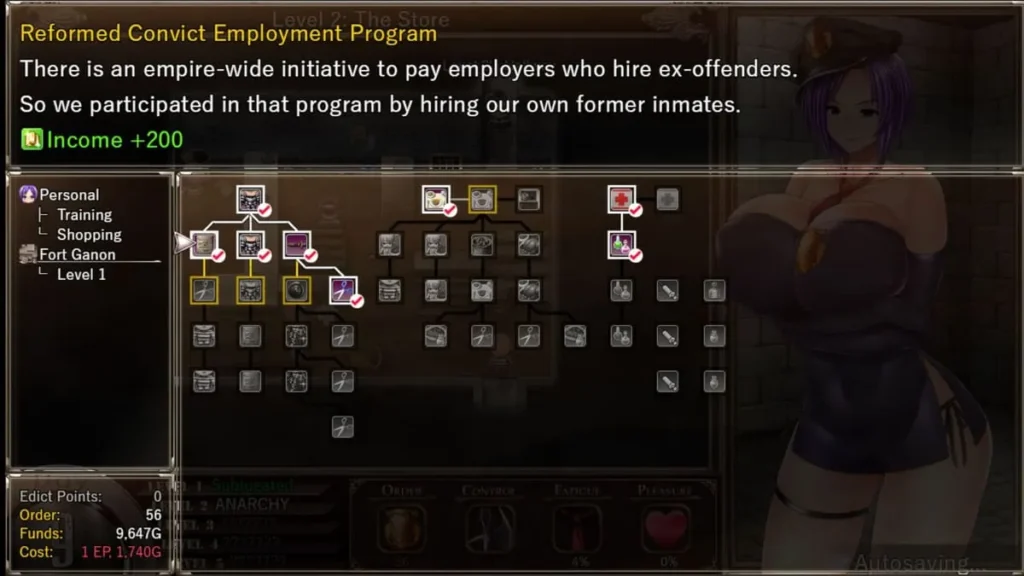
Forget everything you think you know about tidy management sims. This isn’t about placing decorative pot plants. This is triage. Your prison is your primary resource generator, your biggest money sink, and the stage upon which every conflict plays out. The core warden management strategy revolves around a simple cycle: maintain order to work inmates, work inmates to generate gold and materials, and use those resources to improve the prison to maintain better order. Sounds simple, right? 😅
The genius lies in the friction. Inmates have Needs—Comfort, Hygiene, Satisfaction—that drain throughout the day. A miserable inmate is an unproductive inmate, and an unproductive inmate is a broke warden. You’ll be constantly juggling:
* Facility Upgrades: Repairing the shower might boost Hygiene, calming tensions, but that gold could also go toward a stronger security door for the vault.
* Work Assignment: Sending a troublemaker to the relaxing garden might cool them off, but assigning them to hard labor in the quarry generates stone you desperately need. It’s a constant risk-reward calculation.
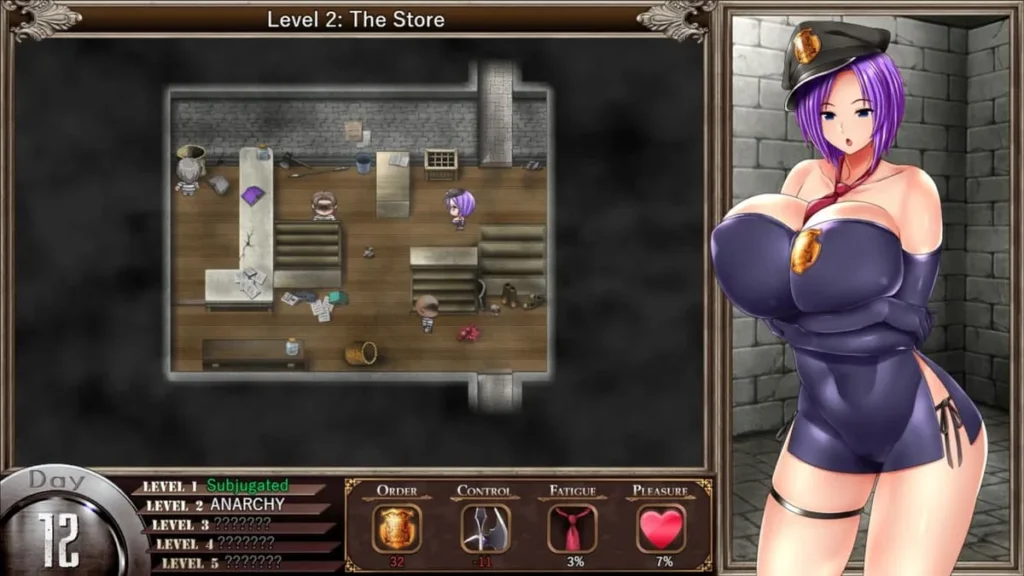
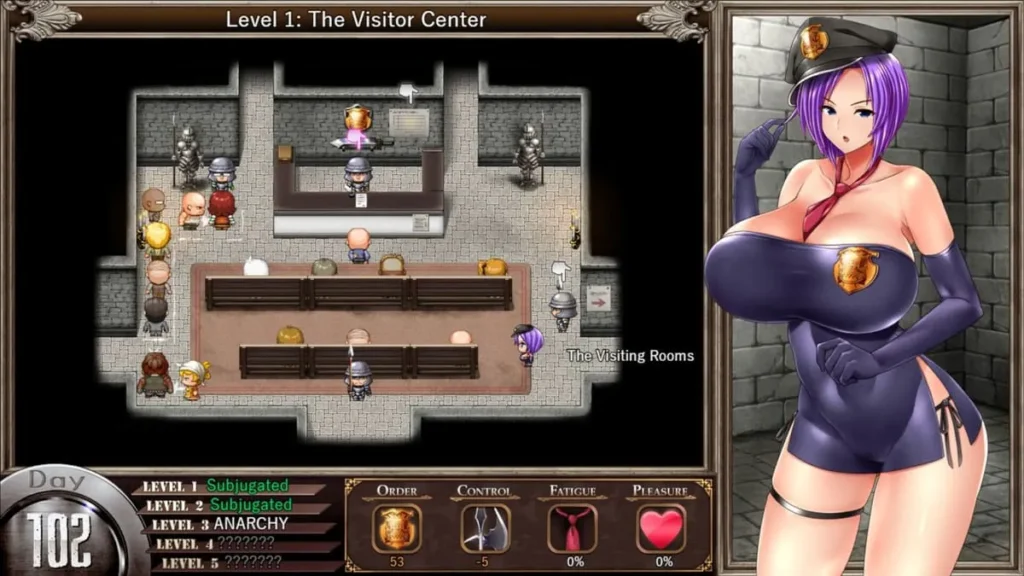
* Inmate Morale: This is your overarching “order” metric. Let it dip too low, and you’ll face riots that can destroy your hard-earned facilities. This is where the prison management simulation truly shines, forcing you to think like a real warden balancing punishment with pacification.
Here’s a breakdown of how key systems interact:
| Management Area | Core Mechanics | Player Strategy Considerations |
|---|---|---|
| Facility Control | Repairing/Room Construction, Utility Upgrades (Power, Water), Security Levels | Prioritize revenue-generating rooms (Workshops) vs. morale-boosting rooms (Recreation). A powerless prison halts all production. |
| Inmate Workforce | Job Assignment, Need Management, Discipline Actions, Special Inmate Traits | Do you put a highly-skilled but volatile inmate on a critical job? Pacifying a ringleader can be more effective than punishing ten followers. |
| Economic Flow | Gold from Work & Services, Material Costs, Daily Upkeep, Bribe/Extortion Income | Early game focuses on basic sustainability. Late-game strategy can involve “farming” certain inmate types or services for maximum profit, intertwined with corruption choices. |
| Order & Security | Overall Morale, Riots, Patrol Routes, Solitary Confinement | Prevention is cheaper than cure. A well-fed, entertained inmate is less likely to riot, but maintaining that comfort has its own costs and… consequences. |
The most compelling part? This isn’t a sterile spreadsheet. Every management decision feeds directly into the game’s central, personal drama: Karryn’s own corruption. Choosing to build a seedy bar instead of a chapel doesn’t just affect numbers—it changes the very atmosphere of your prison and the opportunities presented to your character.
Character Progression & Corruption Mechanics
If the prison is the stage, then Karryn’s evolving psyche is the main act. This is where Karryn’s Prison moves from a clever sim to a genre-bending masterpiece. Forget traditional experience points and skill trees. Your primary progression system design is the character corruption system, a brilliant metric that tracks your fall from a principled warden to something… else entirely. 📉
Corruption isn’t just a “badness” meter. It’s a currency, a catalyst, and a narrative compass all in one. It increases through specific player choice consequences: taking bribes, turning a blind eye to inmate gambling, indulging in the prison’s shadier services, or losing certain, ahem, intimate encounters. As your corruption rises, new gameplay options unlock. Early on, you might just get dialogue choices to extort a little extra gold. Later, you can establish entire black-market operations or use your influence in more direct, personal ways.
Here’s a personal example: Early in one playthrough, I was struggling for gold. An inmate offered a substantial bribe to overlook a contraband ring. My “good” warden instinct said no. But I said yes. The immediate cash fixed my power grid, but my corruption ticked up. This unlocked a new passive ability that gave me a gold bonus whenever I accepted similar shady deals. One “small” choice had a permanent mechanical and narrative effect, making future compromises easier and more rewarding. That’s meaningful player choice consequences in action.
This system is seamlessly woven with classic JRPG mechanics integration. You have stats like Strength, Charisma, and Willpower, and a turn-based combat system for when diplomacy fails. But these aren’t leveled up through mindless repetition. Your stats grow primarily through:
* Work: Performing your warden duties (manual labor, inspections).
* Training: Using prison facilities like the gym or library.
* Corruption-Locked Skills: Many of the most powerful combat and management abilities are only accessible at higher corruption levels, offering a tantalizing trade-off.
The beauty is in the synergy. A high Charisma, earned through public speaking practice, might help you calm a riot without a fight—preserving your facilities. But a high Corruption level might give you the option to provoke a controlled riot to justify a crackdown and cement your power. The progression system design ensures your build—whether a silver-tongued manipulator, a indomitable fortress of will, or a corrupt powerhouse—feels unique and directly tied to your choices.
Strategic Decision-Making & Player Agency
This is where all the systems converge into that magical feeling of true ownership. Karryn’s Prison is a game of constant, meaningful trade-offs, and your warden management strategy must account for layers of player choice consequences. There is no single “right” way to play, only your way.
Your agency manifests in several key areas:
* Resource Allocation Strategy: Every gold piece has a dozen uses. Do you invest in inmate comfort to reduce revolts, or in security to crush them more efficiently? Do you spend materials to build a workshop for long-term income, or a stronger cell block to contain a specific problematic inmate? There’s no autopilot here.
* Conflict Resolution Approach: An inmate challenges your authority. You can: 1) Fight them (risking injury, costs of repair), 2) Try to persuade them (costs time, may fail), 3) Punish them (might lower overall morale), or 4) Corrupt option: Extort or blackmail them (grants resources, increases corruption). Each choice has immediate feedback and long-term ripple effects on the prison’s social fabric.
* Personal Corruption Pathway: This is the ultimate strategic layer. Will you be a corrupt tyrant, leveraging every vice for power and profit? A stern but just ruler who bends only slightly? Or will you try, against all odds, to remain pure? The game supports all these paths with different challenges and rewards, making the progression system design feel incredibly responsive.
The JRPG mechanics integration further deepens this strategy. Preparing for a known, powerful troublemaker isn’t just about having a strong cell. It’s about ensuring Karryn has the right stats and abilities equipped, perhaps having trained a specific skill, or having accepted enough “gifts” to unlock a powerful corruption-based technique. It turns every major encounter into a strategic puzzle you’ve been piecing together for hours.
The satisfaction is unparalleled. You don’t just see a number go up; you feel your influence change the world. The prison physically transforms based on your management style—clean and orderly or dark and decadent. Inmates react to your reputation, whether it’s fear, respect, or predatory interest. The player choice consequences are never just a +1 or -1; they are narrative branches, unlocked mechanics, and shifting power dynamics all at once.
This dense web of Karryn’s Prison gameplay mechanics could feel overwhelming, but the pacing is masterful. Early days focus on learning basic management and survival. As you stabilize, the game introduces more complex inmate types, larger facilities, and greater temptations, perfectly syncing the expansion of gameplay complexity with your own growing mastery (or corruption). It’s a dance between systemic depth and narrative pull that keeps you engaged not just for a session, but for an entire journey—one where every choice, from the budget to the bedroom, is authentically, unforgettably yours. 🔑
Karryn’s Prison represents a thoughtfully crafted gaming experience that successfully merges multiple gameplay systems into a cohesive whole. The game’s innovative approach to character progression through the corruption mechanic, combined with strategic prison management elements and JRPG-style gameplay, creates an experience that resonates with players seeking depth and meaningful choice. The exceptional polish evident throughout the design, from narrative integration to visual presentation, demonstrates a commitment to quality that elevates the entire experience. Community reception reflects strong appreciation for how the game balances different gameplay elements while maintaining engaging pacing and player agency. Whether you’re interested in management simulation, strategic gameplay, or narrative-driven experiences, Karryn’s Prison offers a distinctive and well-executed title that continues to capture player attention and inspire creative engagement within the gaming community.