Play After the Inferno
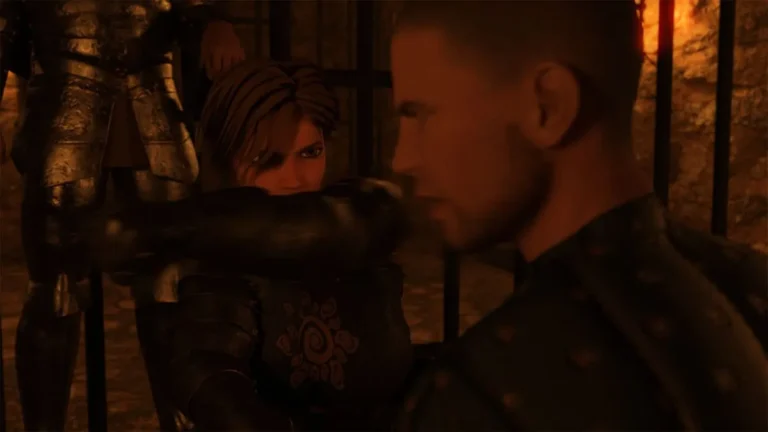
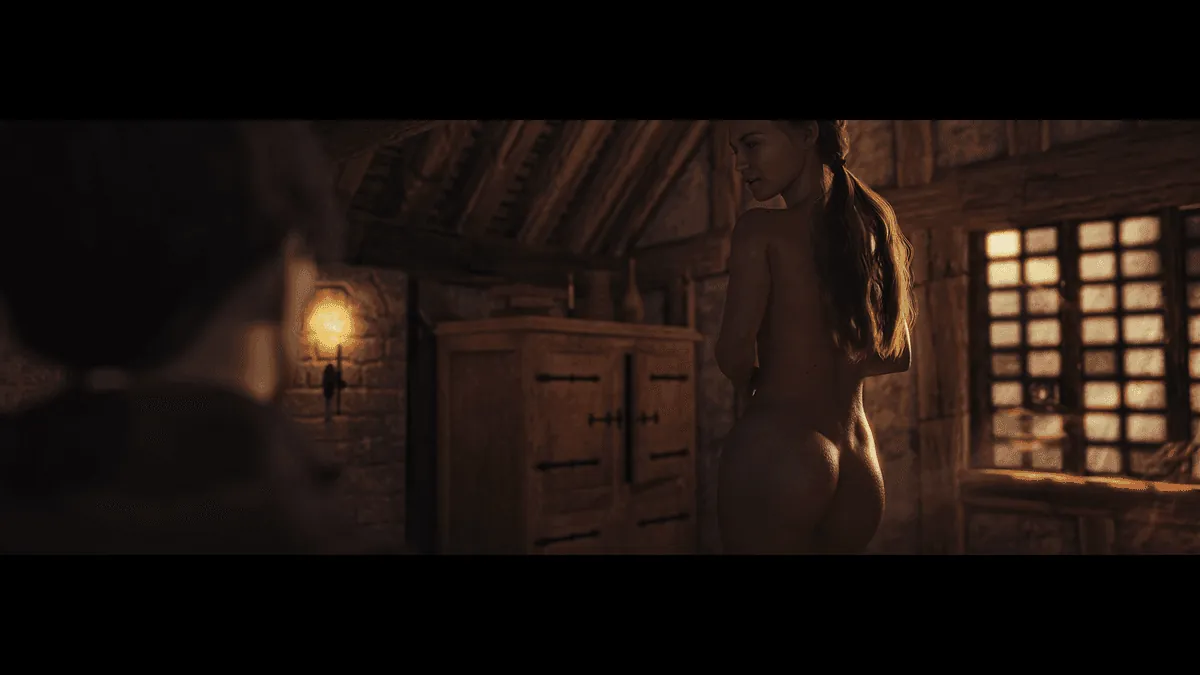
After the Inferno Screenshots
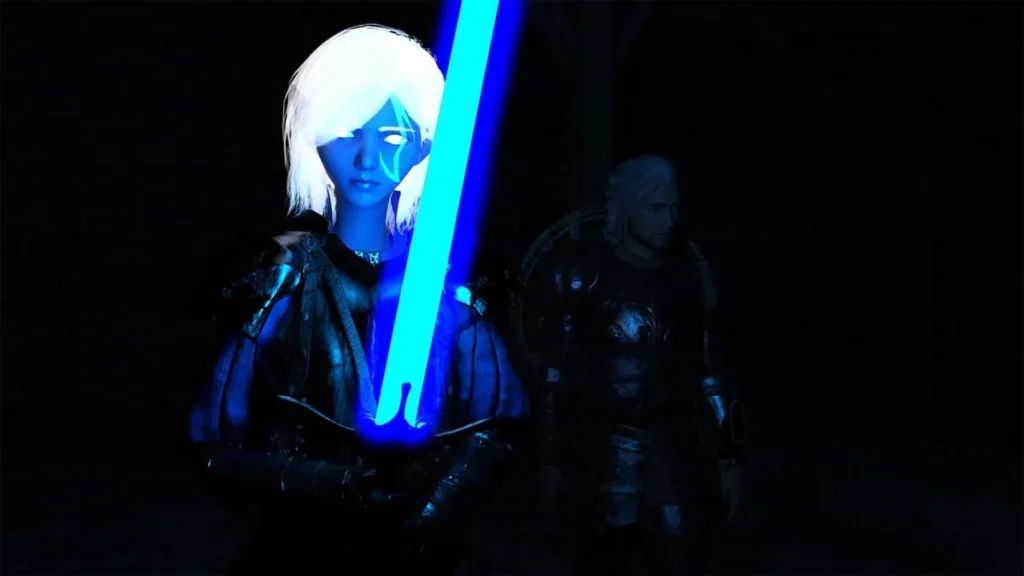
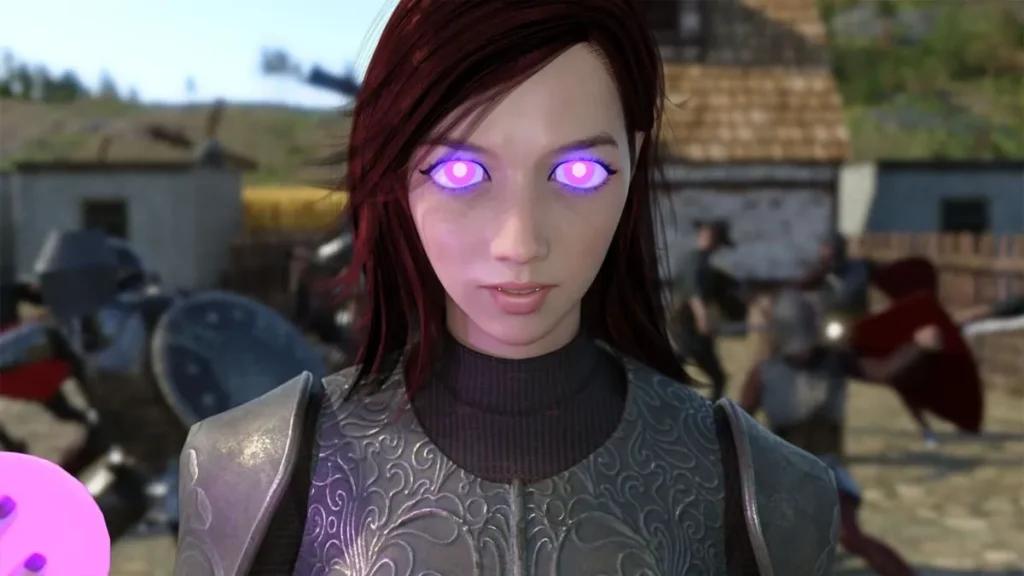
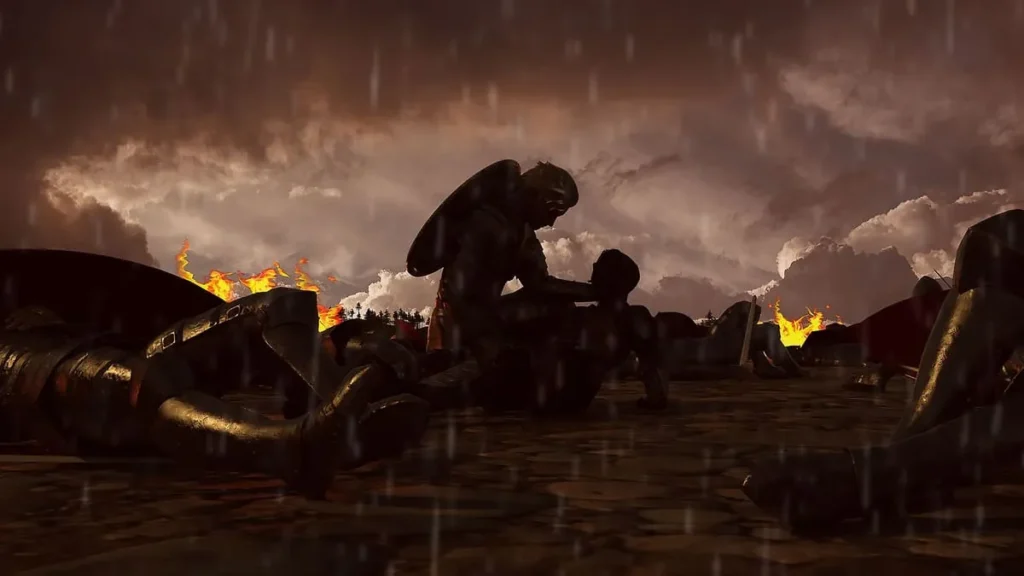

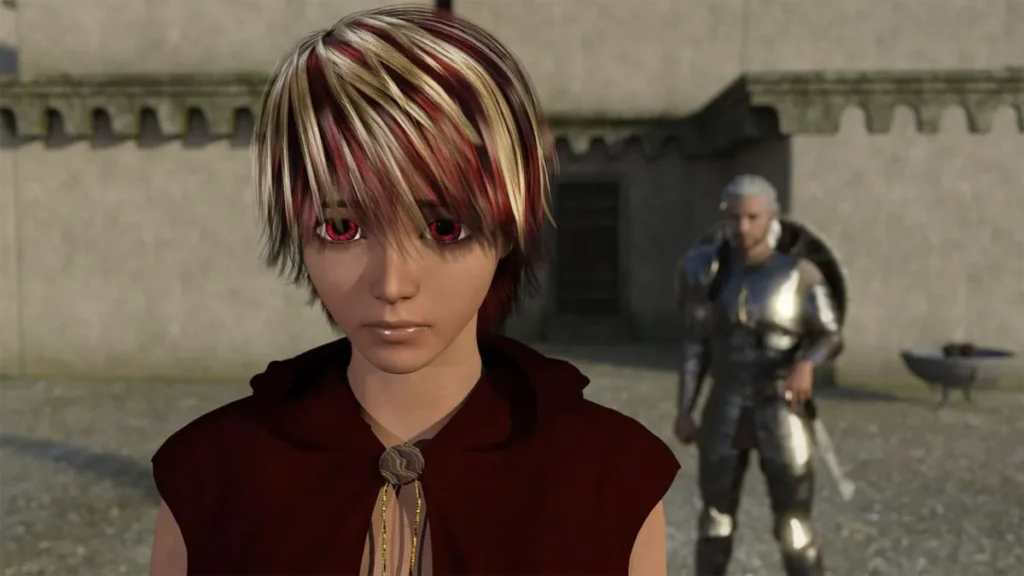
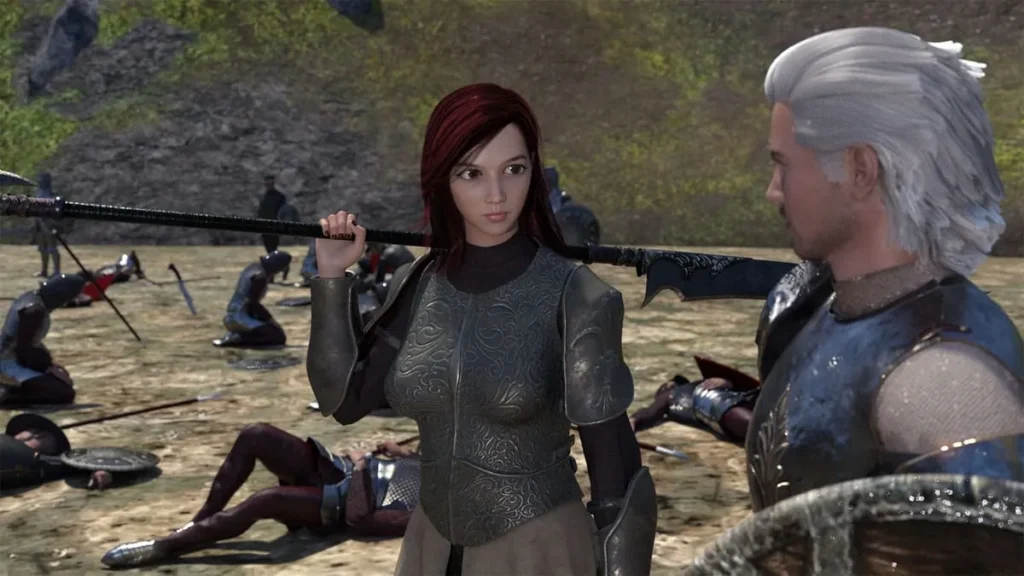
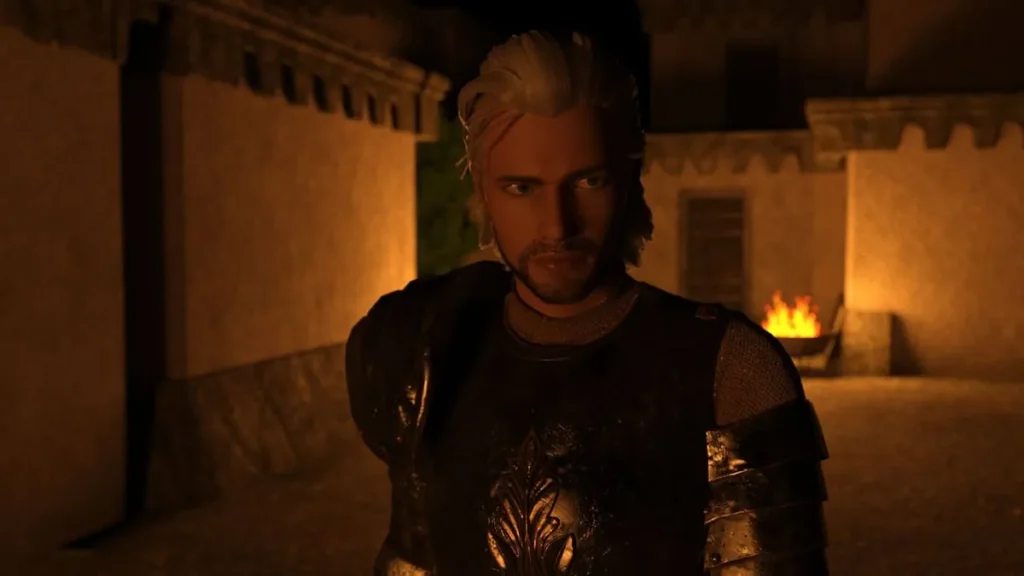

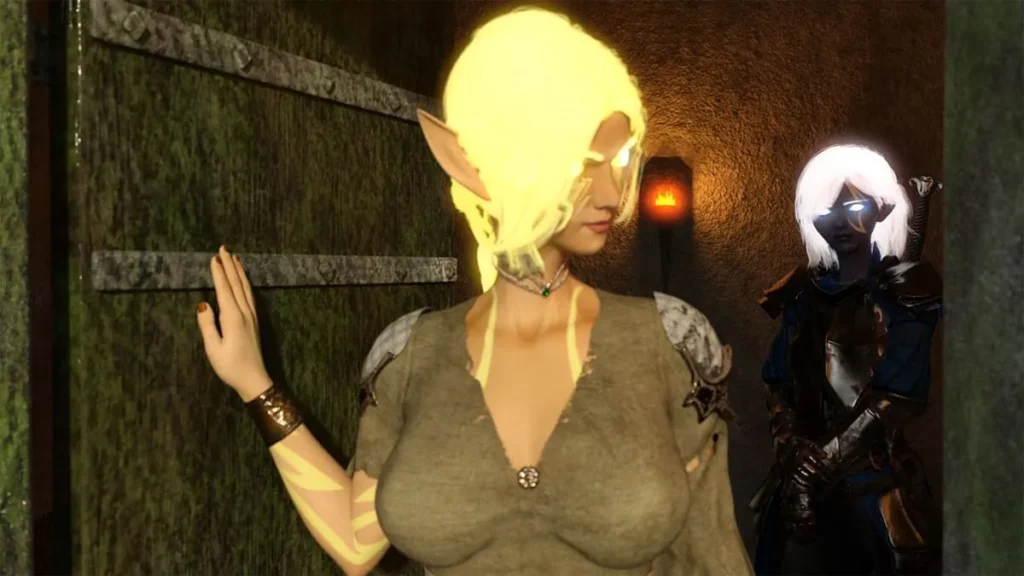
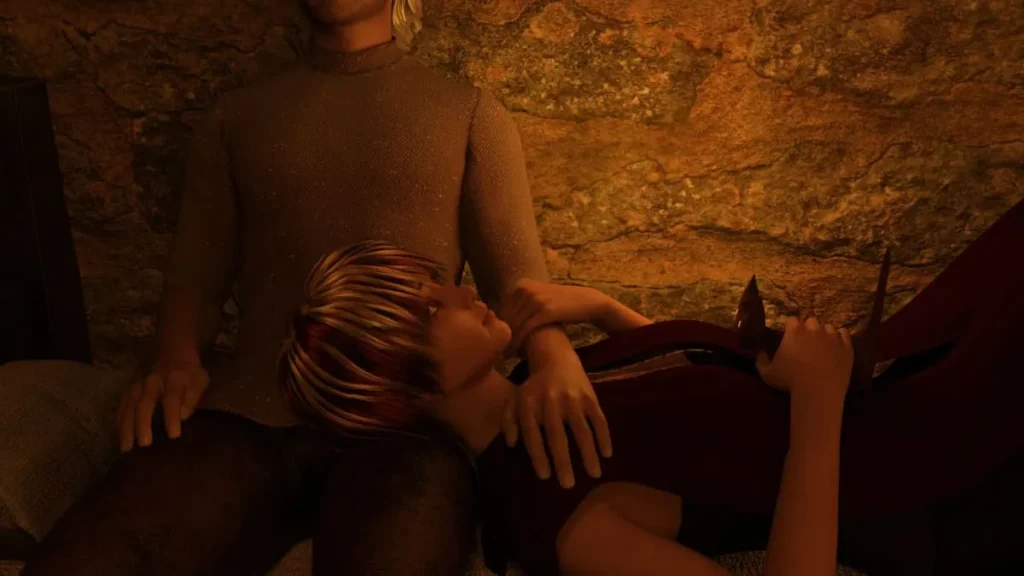
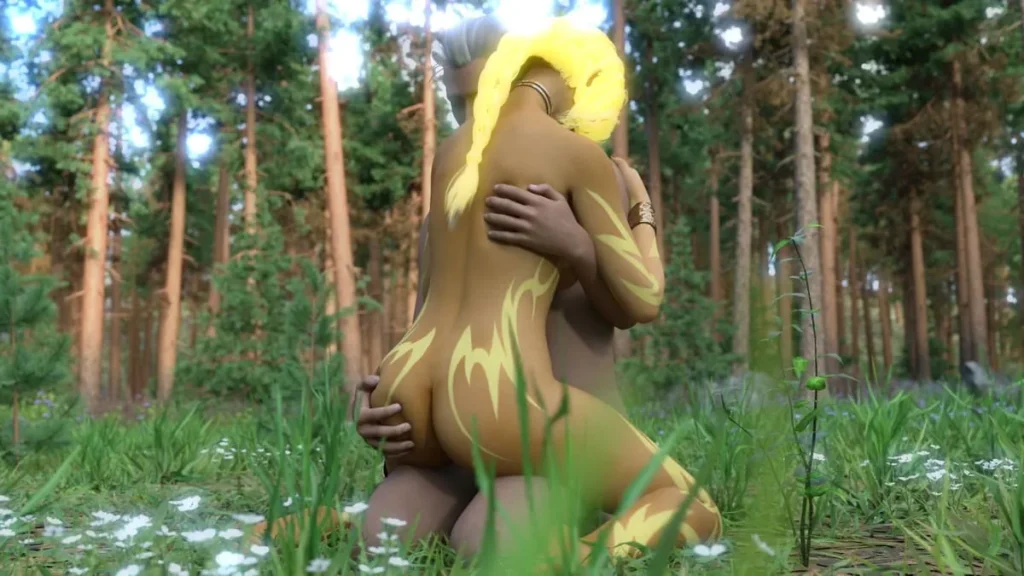
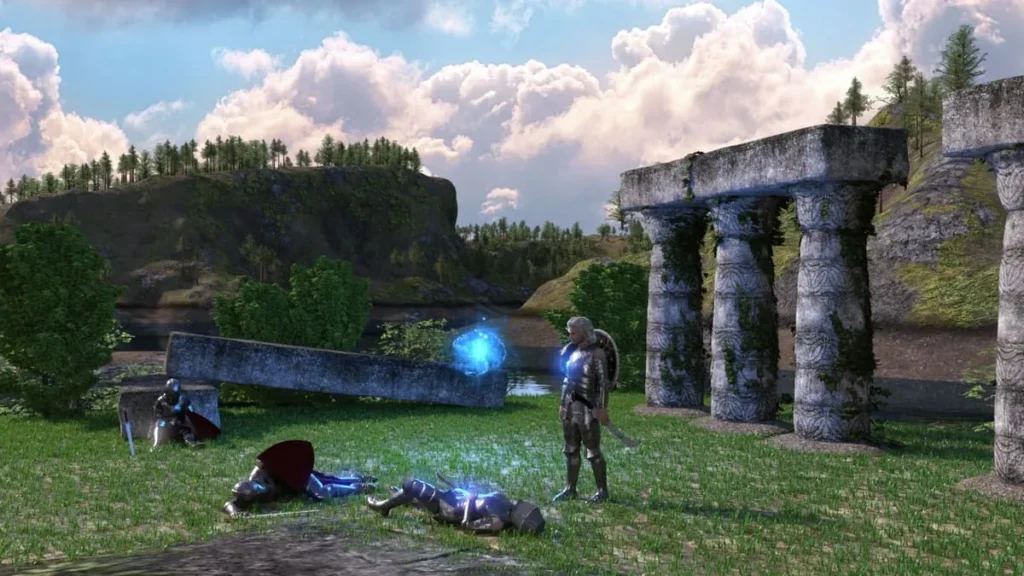
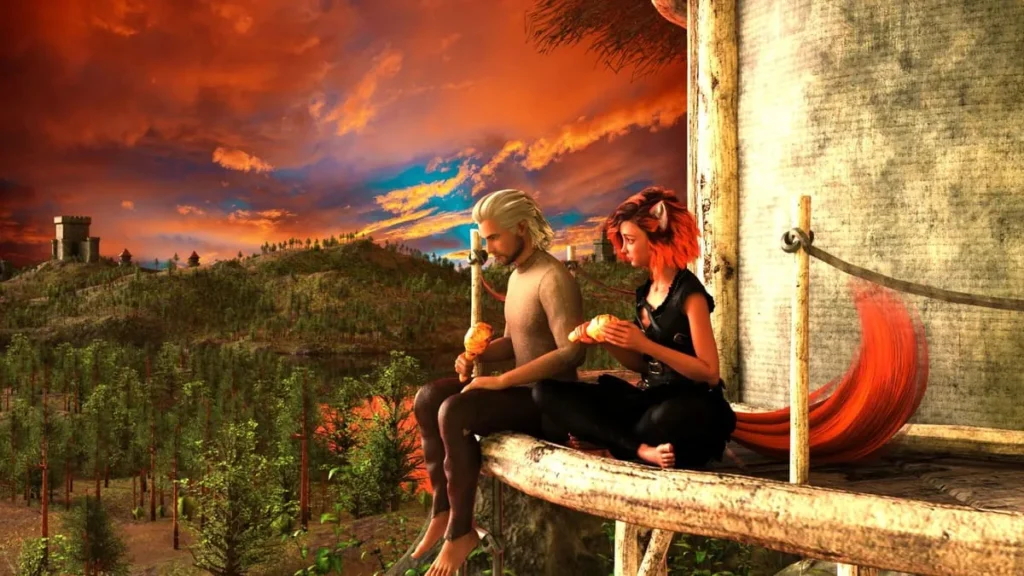
After the Inferno review
Explore storyline, characters, and gameplay mechanics in this mature narrative experience
After the Inferno stands out as a mature visual novel that combines compelling storytelling with player choice mechanics. This narrative-driven experience offers players a rich world filled with complex characters and branching storylines. Whether you’re interested in the game’s narrative depth, character development, or gameplay features, this guide covers everything you need to know about this unique visual novel. The game has garnered attention for its sophisticated approach to mature themes while maintaining substantial narrative substance beyond surface-level content.
Understanding After the Inferno: Story, Setting, and Core Gameplay
So, you’ve heard about After the Inferno, maybe seen some stunning artwork, and you’re wondering what all the buzz is about. 🤔 Is it just another pretty face in the visual novel crowd, or is there something more beneath the surface? Let me tell you, as someone who’s spent countless hours immersed in its world, this isn’t your average click-through story. This is a mature narrative game that demands your attention, your choices, and your emotional investment.
At its heart, After the Inferno is a masterclass in narrative-driven visual novel gameplay. It understands that true maturity in storytelling isn’t about shock value; it’s about depth, consequence, and the complex, often messy, nature of relationships and survival. You step into the worn boots of Devran, a man shaped by a brutal war, and every decision—from a casual remark to a life-altering alliance—feels like it carries the weight of your new reality. This guide will pull back the curtain on what makes this experience so uniquely compelling.
### What Makes After the Inferno a Unique Visual Novel Experience?
Right off the bat, After the Inferno sets itself apart with a powerful design philosophy: everything serves the story. This isn’t a collection of scenes strung together; it’s a living, breathing world that reacts to you. I remember my first playthrough, cautiously navigating a conversation with a key character. I chose what I thought was a harmless, slightly dismissive option. Hours later, that same character remembered my tone, and it subtly closed off a path for aid I didn’t even know existed. That’s the magic here—the visual novel story depth is woven into the fabric of every interaction.
The game proudly earns its “mature” label, but it’s crucial to understand what that means. Yes, it explores adult themes and includes optional intimate scenes visual novel enthusiasts might seek. However, these are never the point. They are a possible result of deep, carefully developed relationships, not the goal. The game never forces this content on you. In fact, you can build profound, lasting romantic connections that the narrative treats with equal weight and respect, without a single explicit scene. The maturity comes from treating these moments as part of a larger human experience, not as isolated rewards.
This brings us to the world itself. Ravaged by a cataclysmic war, the setting is a character in its own right. The game uses a brilliant codex system that automatically fills with entries as you explore and converse. Learn about the fractured religions vying for power, the history of the crumbling city you navigate, or the personal backstories of your companions. This isn’t mandatory homework; it’s a reward for curiosity, deepening your understanding and making the world feel vast and lived-in. It’s a testament to the game’s confidence in its own lore.
### Narrative Depth and Character Development in the Game
The soul of After the Inferno lives in its characters. You don’t just meet them; you unravel them, layer by layer, through shared trauma, quiet conversations, and pivotal choices. Devran is a fascinating vessel for the player. He’s not a blank slate. He comes with his own history, guilt, and scars from the war, providing a rich foundation for role-playing. You decide how he heals, who he trusts, and what kind of man he becomes in the aftermath. This is character relationship system design at its finest.
Let’s talk about the cast. Each companion is a fully realized person with motivations, fears, and flaws that extend far beyond their connection to Devran. One might be struggling with loyalty to a fallen order, while another grapples with the moral compromises of survival. The writing ensures their personal journeys continue with or without your direct involvement. Your choices determine whether you walk that path beside them or watch from a distance.
The evolution of these relationships feels natural and earned. A bond might begin with practical necessity—watching each other’s backs in a dangerous alley—and slowly deepen through shared secrets and vulnerabilities. The game avoids simplistic “like meters.” Instead, affinity is shown through dialogue shifts, character-specific quests unlocking, and changes in how they speak to and about you. The inclusion of optional intimate scenes visual novel content is framed as one potential expression of a relationship that has already been solidified through narrative choices, never as a transaction.
This approach creates incredible replay value. On a second playthrough, I focused on a character I’d previously overlooked. Discovering the intricate details of their past and the nuances of their personality completely changed my perception of the main story’s events. It was like playing a different mature narrative game within the same framework. The visual novel story depth ensures no two relationships, and thus no two playthroughs, are ever quite the same.
### Gameplay Mechanics and Player Choice Systems
Now, how does all this narrative richness translate into play? Seamlessly. The narrative-driven visual novel gameplay of After the Inferno is built on a foundation of meaningful agency. This isn’t an illusion of choice; your decisions create tangible forks in the road.
The most prominent system is the branching storyline choices. These appear in critical moments and often during casual conversations. There are rarely “good” or “bad” choices, only choices that align with a certain philosophy—compassionate, pragmatic, cynical, or ambitious. These decisions can:
* Alter a character’s immediate fate.
* Lock or unlock entire story branches and character routes.
* Change how factions and groups perceive Devran.
* Influence the game’s multiple endings in significant ways.
A standout feature is the game’s refusal to “punish” you for exploring relationships. In many narrative games, showing interest in one character can irreparably damage your standing with another. Not here. You can genuinely pursue connections with multiple characters simultaneously, and the narrative handles this with remarkable sophistication. It acknowledges the complexity, leading to moments of drama, jealousy, or understanding that feel authentic. This freedom is a breath of fresh air and reinforces the game’s commitment to player-driven storytelling.
To help you navigate this web of possibilities, the game provides robust tools:
* Full Save Slot System: Save anytime, anywhere. I created saves before every major decision, not to avoid consequences, but to be able to go back and experience the “what if.” It encourages exploration.
* Cutscene Gallery: All unlocked story scenes and CGs are viewable here, allowing you to relive key moments.
* Auto-Read & Log Features: Standard visual novel comforts are present, letting you control the pace and review recent dialogue.
Here’s a quick breakdown of how the core systems work together:
| Gameplay Aspect | How It Works in *After the Inferno* | Impact on Experience |
|---|---|---|
| Story Progression | Driven by player choices during key narrative beats and daily interactions. The main plot advances based on completed character arcs and major decisions. | Creates a highly personalized story where your version of Devran’s recovery is unique. |
| Character Relationship Paths | Multiple, parallel routes can be developed simultaneously. Affinity is tracked through hidden flags based on consistent behavior, not singular choices. | Allows for complex social dynamics and eliminates the anxiety of “missing out” on a character by talking to another. |
| Save System | Unlimited save slots with manual and auto-save functionality. No checkpoint-only restrictions. | Empowers experimental gameplay and lets players comfortably explore all branching storyline choices. |
| Optional Content Mechanics | Intimate scenes are gated behind specific relationship milestones and are always preceded by a clear choice to proceed. They can be skipped entirely without penalty. | Ensures all mature content is consensual (player consent) and integrated as a narrative beat, not a requirement. The character relationship system remains the focus. |
❓ Frequently Asked Questions
Q: I’m primarily interested in the deep story and world-building. Is the game still for me if I want to skip the intimate scenes?
A: Absolutely, and this is one of the game’s greatest strengths. All mature content is completely optional and is presented with a clear choice to engage or skip. Choosing to skip has zero impact on your relationship progress, story access, or achievements. The visual novel story depth is entirely separate and stands powerfully on its own.Q: How accessible is the story for someone new to visual novels?
A: After the Inferno is an excellent entry point! Its narrative-driven visual novel gameplay is intuitive—you read, you make choices, you see the consequences. The lack of complex stat management or gameplay minigames keeps the focus squarely on the story and characters. The comprehensive save system also lets you learn from choices without stress.Q: Are there content warnings I should be aware of?
A: Yes. As a mature narrative game dealing with post-war trauma, the story includes themes of violence, psychological distress, loss, and mature language. The optional intimate content is also present. The game treats these subjects with gravity and respect, but players should be prepared for an emotionally engaging experience.Q: How long is a typical playthrough, and is replayability high?
A: A single, thorough playthrough can take 15-20 hours. Replayability is exceptionally high due to the branching storyline choices. Pursuing different character routes, making opposing major decisions, and exploring the consequences of a different personality for Devran can make the game feel全新 (brand new) on subsequent plays.
Ultimately, After the Inferno is a testament to the power of the visual novel format. It proves that a mature narrative game can use all the tools at its disposal—compelling writing, meaningful choice, deep character work, and yes, optional adult content—to create a cohesive, respectful, and profoundly engaging experience. It doesn’t just tell you a story; it lets you live within one, build your own relationships, and discover what “after the inferno” truly means for Devran and those around him. Whether you’re here for the intricate character relationship system, the impactful branching storyline choices, or simply a world-class story, this game has something remarkable to offer. 🎮✨
After the Inferno delivers a mature visual novel experience that prioritizes narrative substance alongside its distinctive content. The game proves that mature themes and compelling storytelling can coexist, offering players meaningful character interactions, branching narratives, and genuine player agency through its choice system. With its comprehensive codex, multiple save slots, and optional intimate scenes that don’t gate story content, the game caters to players seeking depth and longevity in their visual novel experience. Whether you’re drawn to the narrative complexity, character development, or the freedom to shape your own story path, After the Inferno provides a substantial gaming experience that respects player choice and story immersion.