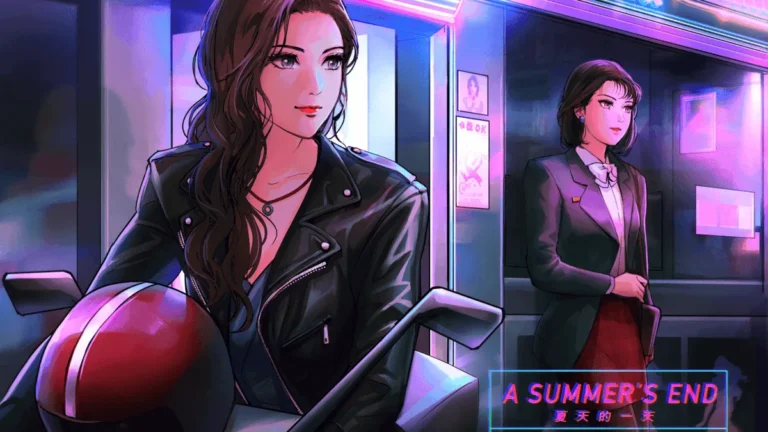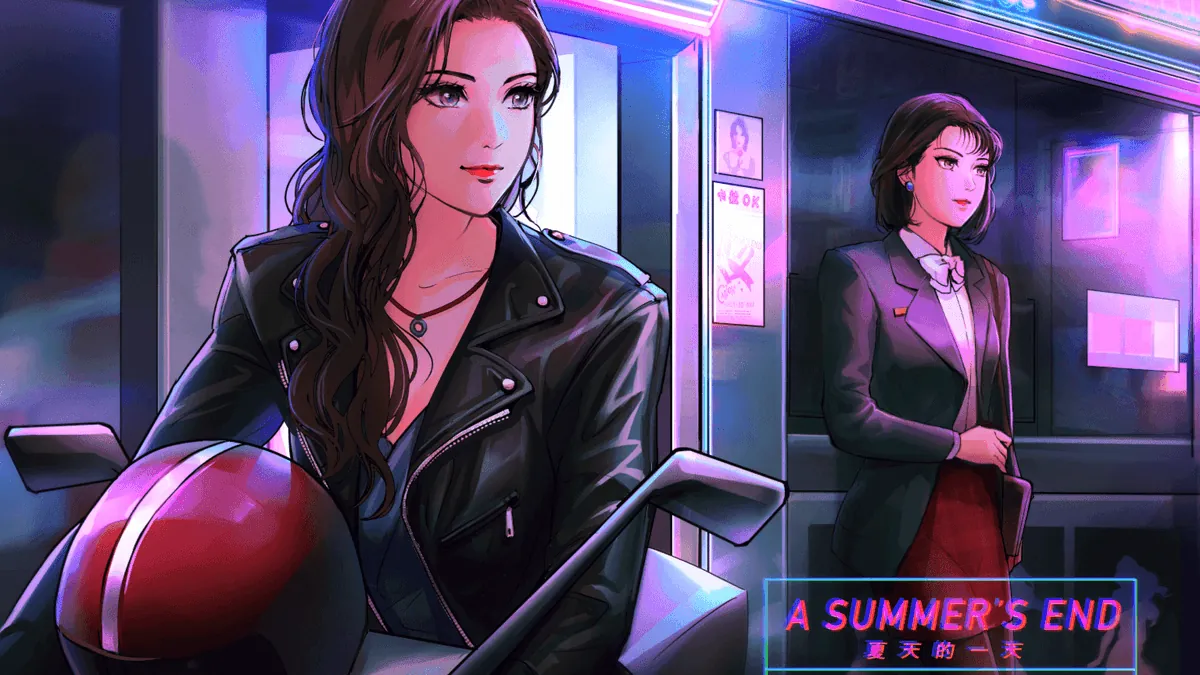
A Summer’s End – Hong Kong, 1986
Play A Summer’s End – Hong Kong, 1986
A Summer’s End – Hong Kong, 1986 Screenshots

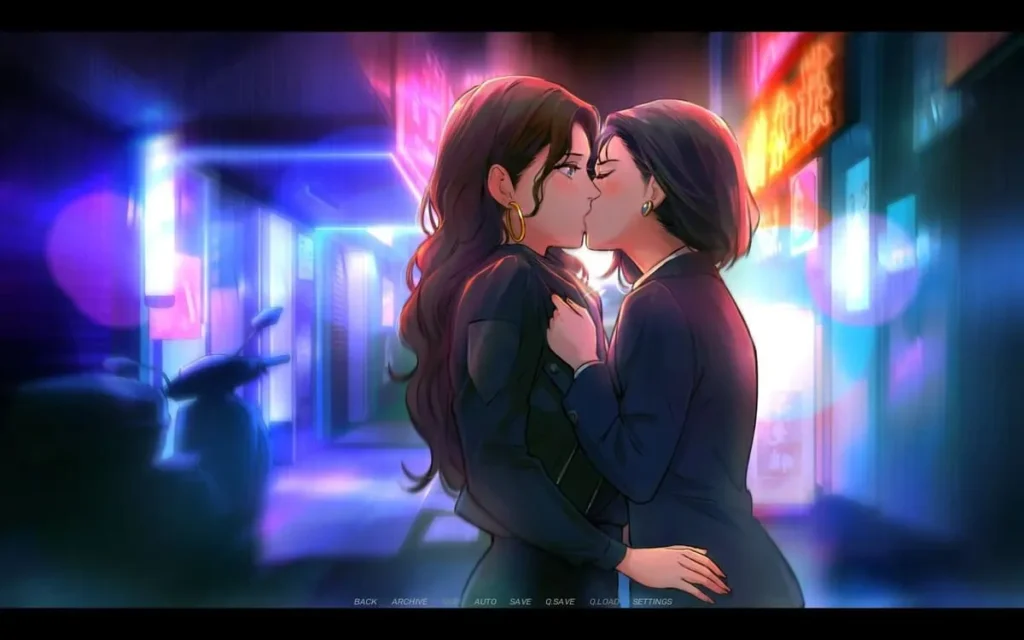






A Summer’s End – Hong Kong, 1986 review
Explore the romantic story, stunning art, and cultural depth of this acclaimed indie game
A Summer’s End – Hong Kong, 1986 is a visual novel that captures the essence of 1980s Hong Kong through an intimate love story between two women. This indie game combines compelling narrative with breathtaking hand-drawn artwork inspired by retro anime and city pop aesthetics. Players follow Michelle, a young office worker, as she navigates identity, family expectations, and unexpected romance in a vibrant but conservative society. With its authentic Hong Kong settings, engaging dialogue system, and thoughtful exploration of LGBTQ+ themes, the game has earned recognition for its artistic merit and emotional depth. Whether you’re interested in visual novels, 80s nostalgia, or meaningful storytelling, this guide explores what makes A Summer’s End a standout experience.
Story, Characters, and Narrative Design
Let’s be honest—sometimes you just want a story that feels real. You want to fall into a world where the characters breathe, their choices matter, and the ending you get feels earned, not random. If that’s what you’re looking for, then you need to talk about A Summer’s End – Hong Kong, 1986. It’s more than a game; it’s a time capsule and a tender exploration of the heart 🏙️❤️.
As an indie visual novel story, it masterfully weaves personal desire with cultural expectation, creating a narrative that lingers long after the credits roll. This chapter dives deep into the soul of this acclaimed character driven narrative game, breaking down the beautiful, complicated journey at its core.
The Plot: Michelle and Sam’s Chance Meeting
The A Summer’s End story begins not with a bang, but with a quiet, relatable frustration. Michelle is, frankly, fed up. Trapped in a monotonous office job and suffocated by the traditional expectations of her family, her life in 1986 Hong Kong feels like a beautifully tailored suit that just doesn’t fit. She’s going through the motions, until a simple errand to a video store changes everything.
This is where she meets Sam. And it’s so 80s. Sam, with her confident, androgynous style and easygoing charm, is a breath of fresh air in Michelle’s structured world. Their first conversation is awkward, funny, and charged with a connection that neither expects. Sam works at the store and their shared taste in films—especially the Hong Kong cinema and anime that visually inspire the game—becomes the initial bridge between two very different lives.
What follows is a slow, delicious burn of a summer romance. The plot of this visual novel Hong Kong 1986 isn’t about grand gestures or melodrama. It’s in the small moments: the shared dinners, the late-night calls, the hesitant touches, and the growing tension of unsaid things. The game perfectly captures the anxiety and thrill of a new connection, especially one that exists outside societal norms. The city itself—a bustling, neon-drenched metropolis on the cusp of massive change—becomes a character, mirroring Michelle’s own internal conflict between a familiar past and an uncertain future.
“We wanted to tell a story about love and identity that was hopeful and real, without falling into tragic tropes. It’s about the quiet courage of choosing your own path.”
This grounding in a specific time and place is what elevates the Michelle and Sam relationship from a simple romance to a profound narrative. Their story is inextricably linked to the context of 1980s Hong Kong, making every step forward feel significant and authentic.
Character Development and Relationship Dynamics
The magic of this LGBTQ visual novel isn’t just that Michelle and Sam fall for each other, but how. The development is meticulous, rooted in character, not plot convenience.
-
Michelle’s Journey: We experience the story largely through Michelle’s eyes. Her arc is one of gradual awakening. Initially cautious and bound by filial duty, we see her tentatively explore parts of herself she’s long suppressed. Her internal monologue is a battleground of desire versus duty, making her every choice—from accepting a date to standing up to her family—feel monumental and earned.
-
Sam’s Role: Sam serves as both a catalyst and an anchor. She’s more outwardly sure of herself, but the narrative wisely gives her depth and vulnerabilities too. She isn’t just a “manic pixie dream girl”; she has her own history, fears, and dreams. Her patience and understanding with Michelle, especially when confronting the indirect communication styles common in many East Asian families, is a testament to her strength.
-
A Relationship Example: Consider a key scene where they discuss family. Michelle, wrestling with how to even broach the subject of her sexuality, speaks in halting, metaphorical terms. Sam, instead of pushing for direct confession, listens to what’s not being said. She might share a related story of her own, building a bridge of understanding without forcing Michelle to cross it before she’s ready. This dance of implication and empathy is where their bond truly deepens, showing a relationship built on emotional intelligence, not just passion.
-
Joey – The “Hopeless Suitor”: A lesser narrative would paint Joey, Michelle’s family-approved suitor, as a villain. This game refuses to do that. Joey is kind, earnest, and just as trapped by expectation as Michelle is. His character arc is handled with remarkable empathy. He’s not an obstacle to be defeated, but another facet of the same societal pressure. Dealing with him becomes one of Michelle’s most delicate challenges, forcing her to navigate her truth without unnecessarily hurting someone who doesn’t deserve it. It adds a layer of poignant realism to the indie visual novel story.
The optional adult content patch deserves mention here. When enabled, it doesn’t feel gratuitous. Instead, it serves as a powerful culmination of this emotional build-up. These scenes are about vulnerability, trust, and intimacy, offering a profound emotional payoff that feels like a natural extension of the relationship we’ve invested in. It’s a choice that enhances the narrative for those who want that depth, making the connection between Michelle and Sam feel complete and powerfully real.
Themes of Identity, Family, and Cultural Conflict
At its heart, A Summer’s End – Hong Kong, 1986 is a game about the spaces between: between who you are and who you’re expected to be, between individual desire and family honor, between tradition and modernity 🌉.
-
Identity in a Conservative Landscape: The game explores what it means to be gay in 1980s Hong Kong with nuance. It’s not a world of overt, violent homophobia (though that existed), but one of silent disapproval, awkward assumptions, and the heavy weight of “what will people say?” The conflict is often internalized, seen in Michelle’s anxiety and the careful curation of her public versus private self.
-
The Family Pressure Cooker: Family isn’t a monster here; it’s a complicated, loving entity that can also be stifling. Michelle’s mother, with her constant mentions of marriage and stability, isn’t trying to ruin her life—she’s trying to secure it, as she understands it. This makes the conflict more painful and relatable. The game brilliantly portrays the anxiety of indirect conversation, where major life issues are discussed through gossip about cousins, comments about a friend’s daughter, or pointed questions over dinner.
-
A Narrative Without Tragedy: Crucially, the game sidesteps the “bury your gays” trope. The tension comes from the struggle for honesty and self-acceptance, not from an inevitable, tragic end. This is a story about journeying toward self-discovery and the possibility of happiness, which in itself is a radical and hopeful statement for an LGBTQ visual novel set in this period.
-
Cultural Specificity as Strength: The narrative’s deep roots in Hong Kong cinema (think the romantic melodramas of the era) and the aesthetics of 80s anime aren’t just window dressing. They inform the characters’ worldviews, their dreams, and their language. This specificity is what gives the visual novel Hong Kong 1986 its universal resonance—by being authentically local, it tells a human story anyone can connect with.
The culmination of all these themes is found in the game’s visual novel endings. Your choices throughout—often subtle decisions about honesty, courage, and commitment—determine Michelle’s path.
| Ending Name | Core Requirement | Thematic Outcome |
|---|---|---|
| The “Together” Ending | Consistently choosing openness, courage, and prioritizing the relationship with Sam, even when it’s difficult. | Represents self-acceptance and choosing a future built on authentic love, despite uncertainty. It’s a hopeful, forward-looking conclusion. |
| The “Apart” Ending | Succumbing to pressure, avoiding difficult conversations, or prioritizing familial duty over personal truth. | A bittersweet, poignant ending about regret and the paths not taken. It highlights the cost of conformity and feels tragically real. |
🎯 Neither ending is framed as strictly “good” or “bad.” They are emotional conclusions to the journey you’ve shaped, making each playthrough deeply personal. This choice-driven consequence is the hallmark of a great character driven narrative game.
Ultimately, the A Summer’s End story succeeds because it understands that the most epic battles are often fought in silence, across dinner tables, and within one’s own heart. It’s a celebration of quiet courage, a love letter to a specific time and place, and a beautifully crafted indie visual novel story that proves games can be profound, personal, and unforgettable. It invites you not just to watch, but to feel, choose, and reflect on your own understandings of love, duty, and identity.
A Summer’s End – Hong Kong, 1986 represents a thoughtful evolution in visual novel storytelling, combining artistic excellence with meaningful narrative. The game’s authentic portrayal of 1980s Hong Kong, coupled with its respectful exploration of LGBTQ themes and cultural identity, creates an experience that resonates far beyond typical romance games. From its hand-drawn aesthetics and vaporwave soundtrack to its branching dialogue system and multiple endings, every element serves the story’s deeper themes about finding love and meaning in a changing world. Whether you’re drawn to the game’s stunning visuals, its nuanced character development, or its cultural significance, A Summer’s End offers a compelling reason to explore what makes modern visual novels such a powerful medium for storytelling. If you’re interested in games that prioritize emotional authenticity and artistic integrity, this indie gem deserves a place in your collection.