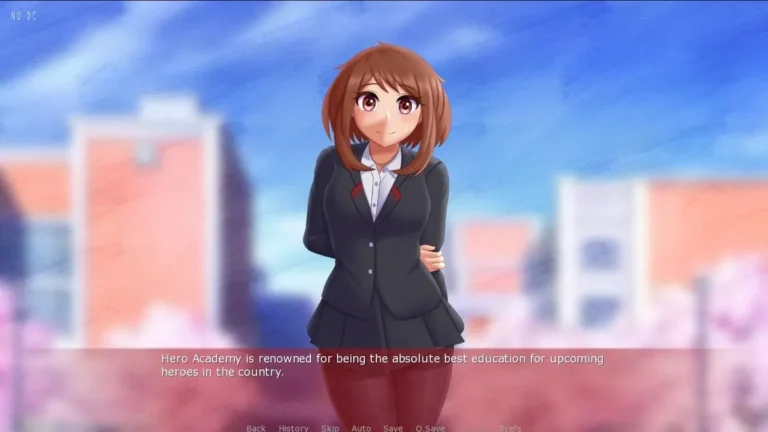
My Tuition Academia
Developer: TwistedScarlett
0.9.2b
Developer: TwistedScarlett

Developer: Eva Kiss

Developer: StolenRose

Developer: Crispy Chicken Productions

Developer: xxerikxx

Developer: DriftyGames

Developer: Lockheart

Developer: Ocean

Developer: 1Thousand
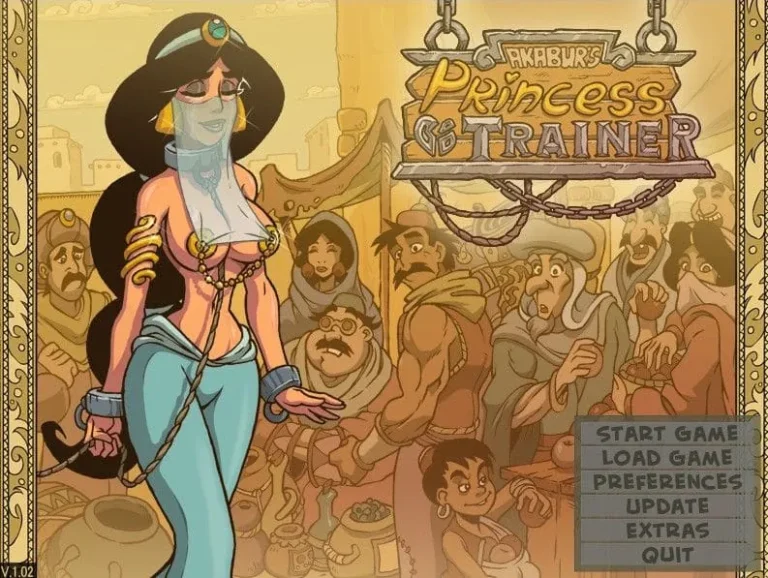
Developer: Akabur
Developer: BRAWEA LTD

Developer: Dante

Developer: R.J. Rhodes
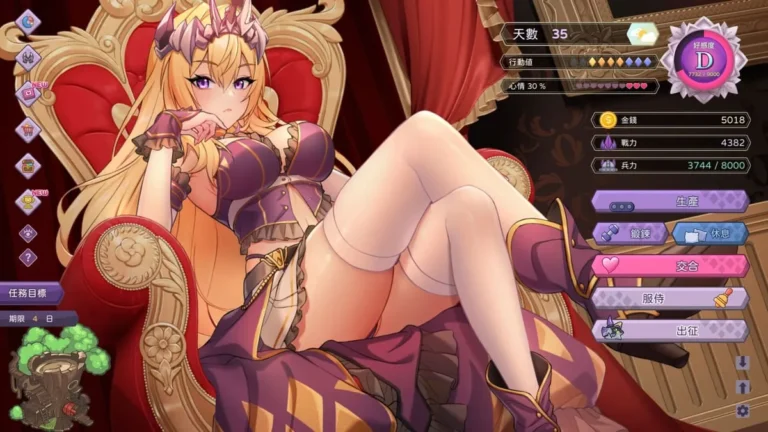
Developer: ARTcelerator, PantyParrot

Developer: Glacerose

Developer: Caribdis

Developer: SLim Games

Developer: Terebonkoff

Developer: 1Thousand

Developer: MrDots Games

Developer: Zimon

Developer: Glacerose


Developer: Irphaeus

Developer: ErosAmor

Developer: Helheim

Developer: Sex n' Games

Developer: ASLPro3D

Developer: Ashen Bunny

Developer: recreation
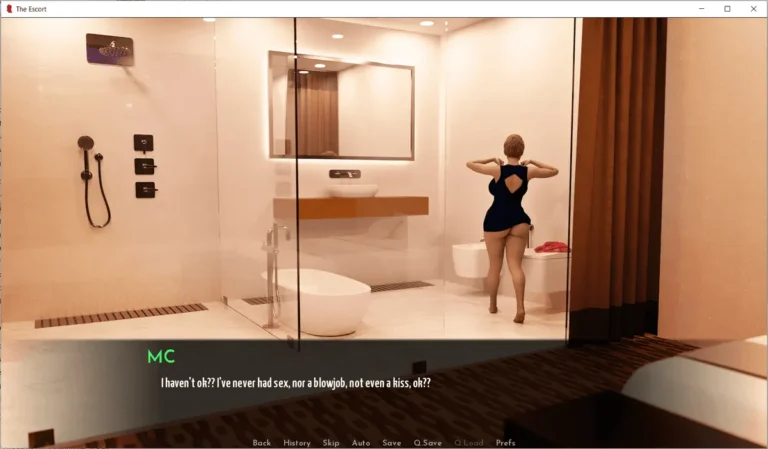
Developer: Dr.Fronkonstin

Developer: Candy.ai

Developer: MrPocketRocket
Developer: Pandelo

Developer: Mrsloap

Developer: Wistala
Developer: Faerin Games

Developer: KG/AM

Developer: Vnorth
Developer: Threshold
Developer: Tired Txxus

Developer: xDNA

Developer: Classy Lemon

Developer: Lazy Monkey

Developer: Swimsoot

Developer: Pandaman Games
Developer: Stronkboi

Developer: AdventAnyx

Developer: AtemX Games
Developer: L8eralGames
Developer: FilthySloth

Developer: Dodongamagnifico

Developer: L8eralGames
Developer: LiLith

Developer: Danson

Developer: 3DRComics

Developer: Mr Jet

Developer: Red Rocket
Developer: MobumGames
The Global category has become a catch-all classification in the adult interactive games space that signals broad, cross-cultural themes, multi-region availability, or games that mix varied styles and mechanics. In this post I’ll walk you through what ‘Global’ means in this context, how these games differ from region-specific subgenres, where they appear (and where they may be restricted), and which titles have stood out—based on my hands-on observations and community reporting. Whether you’re researching, creating content, or deciding which games to try, this guide gives practical tips, platform realities, and curated recommendations.
Ever been lost in a digital store, staring at a list of games, and wondering what on earth the Global category actually means? 🤔 You’re not alone. In the sprawling, often confusing world of adult interactive entertainment, this label is one of the most common—and most misunderstood.
It’s not just a simple tag. Depending on where you look and who you ask, the Global adult game definition shifts. Is it a promise of worldwide appeal? A dumping ground for hard-to-classify titles? Or a secret code for a specific style of play? In this chapter, we’re going to unpack this versatile term, cut through the platform jargon, and give you the clear, user-focused breakdown you need to navigate like a pro. Let’s get to the heart of the Global category meaning.
At its core, the Global label in adult games serves as a multifaceted catch-all. Think of it less as a precise genre like “visual novel” or “dating sim,” and more as a conceptual umbrella. It primarily encompasses three overlapping ideas, each important for players and creators to understand.
First, it can signify international adult games—titles consciously designed from the ground up to appeal across borders. 🌍 These projects often feature multi-language support, avoid deeply region-specific cultural references, and sometimes employ character designs and settings intended to feel culturally neutral (or at least, pan-cultural).
Second, and perhaps most practically, Global functions as a platform categorization tool. On many storefronts and hubs, it’s the default or aggregator folder for mixed content adult games that don’t fit neatly into a popular, established niche. If a game blends dating, management, light combat, and explicit scenes, a platform might bypass a dozen specific tags and just slap on “Global.”
Third, from a design perspective, it describes games that are a multi-genre mix. They pull mechanics, art styles, and narrative tropes from a wide array of sources—a bit of sandbox freedom here, some visual novel storytelling there, wrapped in simulation-style progression. The “global” here refers to the scope of their influences.
To help visualize these three faces of “Global,” let’s break them down side-by-side:
| Sense of ‘Global’ | Primary Focus | Pros for Players | Cons for Players | Why Creators/Platforms Use It |
|---|---|---|---|---|
| International Targeting | Worldwide audience appeal & access | Likely translated; fewer cultural barriers; wider community discussion. | Settings/characters may feel “generic”; can lack unique cultural flavor. | Maximizes potential market; reduces localization friction; avoids regional bans. |
| Aggregator/Misc Label | Platform organization & discoverability | One-stop shop for eclectic titles; can find hidden genre blends. | Content quality can be wildly inconsistent; hard to set accurate expectations. | Simplifies storefront management; buckets hard-to-categorize content; a “safe” catch-all tag. |
| Multi-Genre Mix | Game design & mechanics fusion | Offers varied gameplay; can feel fresh and innovative; more “game” for your money. | Can be jack-of-all-trades, master of none; systems may feel underdeveloped. | Attracts players with diverse tastes; allows creative experimentation; stands out from pure genre titles. |
So, when you see that Global game label, you’re actually looking at a term doing several jobs at once. It’s a signal about audience, a tool for organization, and a description of creative approach. 🎨 The key is to check the context—the platform you’re on and the game’s description—to decipher which meaning is most relevant.
This is where things get interesting. The Global category is fundamentally defined by what it is not, as much as by what it is. Let’s draw some clear lines.
I remember hunting for a specific type of “monster girl” game a while back—a very niche subgenre. I found dedicated forums, specific tags on smaller platforms, and a passionate community. That experience highlighted the contrast. A niche subgenre like “futanari,” “yuri,” or “netorare” speaks directly to a specific, often deeply knowledgeable audience with explicit expectations. The content is the primary draw. 🎯
A regional label, like games clearly designed for a Japanese (eroge), Western (often “XXX game”), or European audience, often comes with distinct artistic styles, humor, narrative pacing, and cultural touchstones. Playing one can feel like visiting another country’s media landscape.
The Global tag, however, often tries to smooth those edges away. It’s the diplomatic middle ground.
Pro Tip: If you know exactly what kind of content you want, use specific niche tags. If you’re in the mood for a surprise or want a game with substantial gameplay, browsing the Global category can be a rewarding treasure hunt.
The difference boils down to precision. Other labels are scalpels; Global is a swiss army knife. It’s not better or worse—it’s just a different tool for a different job, both for finding games and for understanding what you’ve found.
Now, let’s step behind the curtain. The use of the Global tag isn’t accidental; it’s a strategic choice driven by the often-tricky realities of creating and selling adult content online. 🛡️
For Developers & Creators:
1. Discoverability and the Algorithm: On crowded platforms, using a popular, broad tag like Global can sometimes expose a game to more eyeballs than a hyper-specific one. It’s a way to get into a larger pool of searches.
2. Wider Market Reach: By framing a game as international, creators signal that it’s “for everyone,” hoping to attract patrons or buyers from North America, Europe, Asia, and beyond. This is crucial for sustainability.
3. Circumvention and Safety: This is the big one. Due to restrictive policies from payment processors (like PayPal or Stripe) and major storefronts, certain niche adult tags can be red flags. 🚩 A game might be delisted or have its payment options cut off for using explicitly descriptive tags. Using the vaguer Global game label is often a safer, more stable alternative to avoid automated moderation or policy violations. I’ve seen countless discussions where creators advise each other to use “Global” instead of more precise terms to stay under the radar of overzealous filters.
4. Creative Freedom: For a solo developer or small team making a game that blends genres, “Global” is a honest descriptor. It says, “I’m not just making a visual novel; I’m mixing things up.”
For Platforms & Storefronts:
1. Simplified Moderation: It’s easier for a platform to manage one large Global category than to police dozens of explicit, granular subgenre tags. It reduces their liability and curation workload.
2. User Experience (The “Clean” Storefront): Having a single, vaguely named category for mature content helps keep the main browsing experience seemingly “cleaner” for casual visitors, while still allowing access for those seeking it.
3. Aggregating the “Other”: It solves the practical problem of where to put the games that defy easy classification. Without a Global or “Miscellaneous” bin, these titles would clutter other categories or get lost entirely.
The history of platforms like Patreon or Itch.io is littered with shifts in policy that caused waves of re-tagging. A niche category might thrive one month and be banned the next, forcing every game within it to migrate to a safer, broader label like Global. This constant dance shapes the landscape we see today.
So, with all this in mind, how should you, the savvy user, navigate the Global category? Here’s your action plan. ✈️
When Searching:
* Use “Global” when: You’re feeling exploratory, want a game with substantial mechanics, or are on a major platform where specific tags are scarce.
* Use niche tags when: You have a very clear idea of the content or theme you want. Always check if the platform supports specific tagging first.
When Evaluating a Game:
* Interpret the Label: See “Global”? Don’t stop there. Dig into the description, screenshots, and reviews. Is it Global because it’s a genre blend (good!), or because it’s just poorly defined?
* Check for Localization: Look for language flags or notes in the description. An international adult game will usually advertise its translations proudly.
* Manage Expectations: Understand that mixed content adult games can be uneven. The management sim part might be great, but the dating aspects shallow. Read player feedback to see if the blend works.
Regarding Platform & Policy Risks:
* Acknowledge the Instability: Games relying on the Global tag for safety exist in a gray area. While less risky than niche-tagged games, they are not immune to broader platform purges or payment processor crackdowns. Popular storefronts have periodically delisted large swathes of adult content, regardless of tag.
* Support Creators Directly: If you find a Global gem you love, consider supporting the developer via their own website or approved payment methods. This helps insulate them from the whims of big platforms.
Ultimately, the Global category is a reflection of a market adapting to challenge. It’s a tool for discovery, a shield against restriction, and a testament to creative fusion. By understanding its three core meanings—the international, the aggregator, and the genre-blend—you transform it from a confusing label into a powerful filter. You’re no longer just clicking on a mystery box; you’re decoding a signal. The next time you browse, you’ll see past the tag to the true shape of the game beneath, making you a more informed and successful explorer in the vast, evolving world of adult interactive entertainment. 🌐
The Global category functions as a flexible, cross-market label for adult interactive titles—signaling international targeting, mixed-genre content, or aggregator classification. Readers should approach Global-tagged games with clear expectations: look for localization quality, platform trust signals, and explicit content warnings; use safety practices when downloading or paying; and recognize that availability can change due to platform or payment policies. Creators who aim for a global reach must prioritize localization, policy compliance, and transparent community engagement. If you found this guide useful, try the safety checklist before downloading a Global title and share your experiences or questions so I can help with targeted recommendations.
Have a favorite adult game that's not in our collection? Let us know and we might feature it!
Contact Us